

Artisan Crafted Home Alternatives: 11 Ethical Brands
Yuatinia LeakTable of Contents
- Why Choose Artisan Crafted Home Alternatives
- What Defines a Truly Ethical Home Decor Brand
- The Artisan Crafted Home Advantage
- A Sustainable Home Decor Shopping Guide
- 1. Lighting: Sculptural Pieces That Set the Mood
- 2. Ceramics & Tableware: The Art of the Everyday
- 3. Statement Furniture: The Carved Wood Sideboard
- 4. Decorative Accents: Vessels and Planters
- How to Integrate Artisan Decor in a Modern Space
- Caring for Your Investment: Maintenance and Longevity
- Price-to-Value: Understanding What You Pay For
- Conclusion: Curating a Home With Meaning
- Frequently Asked Questions
Last Updated: September 9, 2026
A home should tell a story, not just fill a space. For discerning homeowners, the search for unique, ethically made pieces often leads to the same few names. Yet the landscape of artisan crafted home alternative brands is richer than most realize, offering a path to decor that is both beautiful and meaningful. This guide from Fluent Trends explores a curated world of makers who prioritize craftsmanship, sustainability, and cultural heritage. We will show you how to identify quality, understand the true value, and style these pieces for a modern aesthetic. The goal is to help you invest in a home that reflects your values, one thoughtful object at a time.
Choosing where to buy is a statement of intent. It is a move away from disposable trends toward a more conscious way of living. The best options connect you directly to the hands that made them, ensuring your purchase supports communities and preserves time-honored skills. This approach to furnishing is often called conscious consumerism, and it changes the relationship you have with your belongings.
Why Choose Artisan Crafted Home Alternatives
The typical retail model prioritizes speed and volume. Artisan crafted home alternatives operate on a different principle entirely. They value material integrity, fair labor, and the unique character that only a human hand can impart. When you choose these pieces, you are opting for quality goods designed to last decades, not seasons. This shift moves away from the homogenized look of mass-produced furniture toward a home with genuine soul and a compelling narrative.
This choice also carries significant social impact. Many of these brands partner with women-owned businesses and global makers, ensuring fair wages and safe working conditions. Your purchase becomes a direct investment in community-based economies. It is a powerful alternative to the opacity of global supply chains, offering a clear line of sight from the artisan's workshop to your living room.
What Defines a Truly Ethical Home Decor Brand
Not every brand using the word "artisan" operates with equal integrity. A truly ethical home decor brand demonstrates a commitment that goes beyond marketing. They practice supply chain transparency, often sharing the stories and faces behind their products. They use sustainably sourced materials like organic cotton, wool, jute, and reclaimed wood. They also champion small-batch production, which minimizes waste and ensures each item receives individual attention.
Certifications and third-party verification offer one layer of proof. However, the most telling sign is the brand's willingness to be open about its process. Look for detailed maker profiles, clear sourcing information, and explicit statements on labor practices. A brand confident in its ethics will invite scrutiny, not hide from it. This transparency is the bedrock of trust in a marketplace crowded with vague claims of sustainability.
The Artisan Crafted Home Advantage
Investing in artisan crafted home pieces offers a distinct advantage over conventional furnishings. It is about acquiring objects with a history, a purpose, and a level of quality that mass production cannot replicate. These pieces often become heirlooms, carrying stories that enrich your home for generations. They are the antithesis of fast furniture, representing a slower, more intentional approach to design.
Handcrafted vs. Mass-Produced: Seeing the Difference
The visual and tactile differences are immediate. A handcrafted ceramic vase will show subtle variations in glaze, a fingerprint of its creation. A handwoven textile will have an organic, imperfect rhythm that machine looms cannot mimic. Mass-produced items are flawless, uniform, and often hollow. Handcrafted goods, in contrast, possess a quiet, authentic energy that adds depth to a room. This authenticity is a hallmark of true craftsmanship.
Material Integrity: What to Look For
The materials define the piece's beauty, longevity, and environmental footprint. Look for solid woods like mango or oak, not veneers. Seek out natural fibers such as linen, wool, and organic cotton. These materials age gracefully, developing a rich patina over time. They are also healthier for your home and the planet, avoiding the toxic finishes and synthetic components common in budget furniture.
A Sustainable Home Decor Shopping Guide
Navigating this market requires a shift in perspective. This sustainable home decor shopping guide focuses on value, not just price. Start by identifying your needs and the aesthetic you want to cultivate. Then, research brands that align with those goals, paying close attention to their sourcing and production methods. Consider the longevity of a piece and its potential to integrate with your existing interior styling.
When evaluating options, ask about lead times, which often reflect a made-to-order process. Understand the care requirements for natural materials. Finally, view your purchase as an investment in both your home and the global artisan community. This mindful approach ensures your choices are satisfying and sustainable in the truest sense.
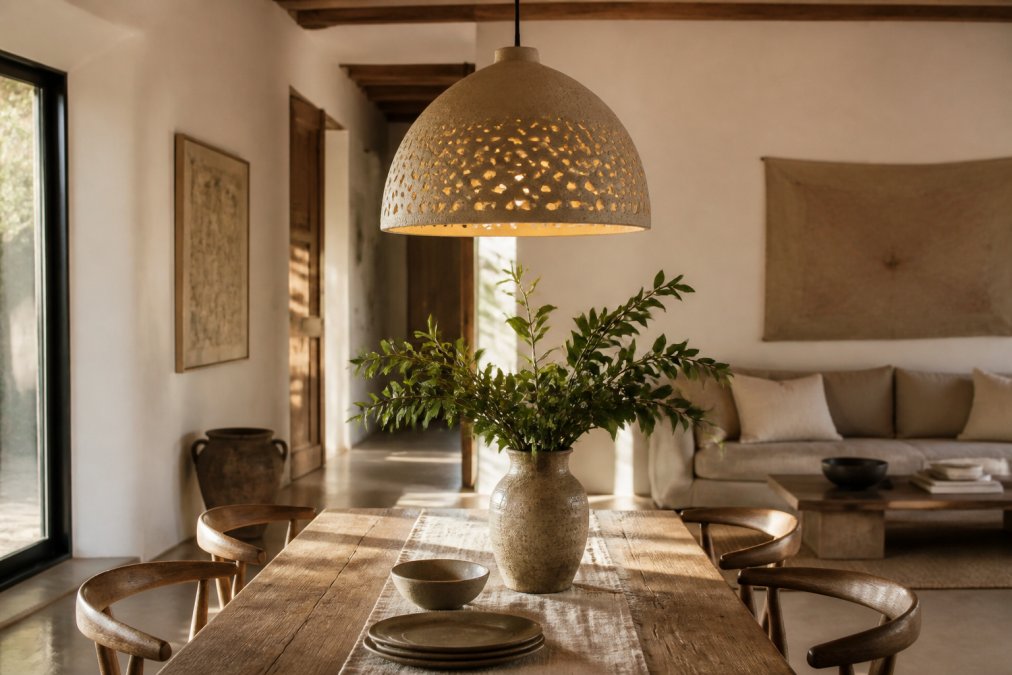
1. Lighting: Sculptural Pieces That Set the Mood
Lighting is the jewelry of a room, and artisan pieces elevate it to an art form. The Ripple Ceramic Pendant Light is a prime example, a handcrafted stoneware fixture that explores the interplay of light and structural form. Its undulating surfaces create stunning visual movement, turning a functional light source into a tactile sculpture. Priced at $740.00, it bridges the gap between illumination and fine art.

For a softer, more organic touch, the Lag Lamp Pendant Light offers a different kind of beauty. Made in the USA, it features three translucent layers of unbleached organic cotton that diffuse a warm, inviting glow. At $540.00, this minimalist fixture adds a layer of natural texture and eco-conscious design. To complete a vignette, the Tokyo I Table Lamp, at $330.00, offers a choice of solid brass or recycled steel, crowned with an unbleached cotton shade.
2. Ceramics & Tableware: The Art of the Everyday
Elevating daily rituals begins with the objects we use. The Fors Studio White Ceramic Deep Serving Bowl transforms simple meals into memorable occasions. Hand-glazed and made with partially recycled local clay, it is as beautiful as it is durable (the FDA). At $99.00, this hospitality-grade bowl is chip-resistant and oven safe. It embodies the principle that everyday items should be crafted with the same care as statement pieces.

The Milan White Sculptural Vase, at $400.00, brings a sense of quiet serenity to a space. Handcrafted in Portugal, its rounded, full-bodied silhouette and matte white glaze offer a minimalist, sculptural presence. These ceramics are not just functional; they are designed to be admired. They represent the art of the everyday, where quality and design meet practical living.
3. Statement Furniture: The Carved Wood Sideboard
Furniture is where craftsmanship becomes the undeniable hero of a room. The Amber Wavefront Artisan Solid Wood Sideboard is a masterclass in this. Hand-carved from 100% solid mango wood, its sculptural wavefront is a signature of true artisan skill. The warm Amber Oak finish highlights the natural grain, creating a piece that is both a functional storage solution and a gallery-worthy centerpiece. At $1,454.98, it is an investment in heirloom-quality design.
This sideboard is a testament to the difference between solid wood and veneer. Its weight, durability, and natural variations are unmistakable. Designed with generous compartments for storage, it proves that beauty and utility can coexist seamlessly. For a home that values lasting quality, this piece sets a new standard.
4. Decorative Accents: Vessels and Planters
The final layer of a curated home comes from its accents. The Agadir Decorative Vessel, at $135.00, adds a touch of timeless elegance with its earthy honey base flowing into a deep, glossy dark green top. This artisan-made ceramic piece is perfect for a mantel or shelf, bringing a sense of calm and sophistication. It is a subtle reminder of the beauty found in tradition.
To bring life to these accents, the Wrap Planter offers a sculptural foundation. Handcrafted in the Misewell studio in Milwaukee, this ridged ceramic planter draws inspiration from wind-swept sand dunes. Starting at $29.00, no two planters arrive identical, ensuring your botanical display is truly one of a kind. The Misewell Handcrafted Ceramic Double Planter, at $70.00, offers another way to curate a harmonious display.
How to Integrate Artisan Decor in a Modern Space
The fear of a cluttered or theme-heavy room often stops buyers. The goal is not a museum replica. It is a curated blend of textures and stories that feels intentional and current.
Start with a neutral foundation. Think of your walls, large furniture, and flooring as a calm canvas. A warm white, a soft greige, or a deep forest green can all serve as a backdrop. This allows the artisan piece to become the hero of the room without visual competition.
Choose one hero piece per space. In a dining room, that might be a sculptural pendant light. In a living room, it could be a hand-carved sideboard. Let this object anchor the room's character. Then, build the rest of the palette around its tones and textures.

Layer in textiles for warmth and acoustic comfort. A handwoven wool rug can define a seating area. Linen curtains soften the hard lines of architecture. These natural fibers add a tactile richness that synthetic materials cannot replicate. They also introduce a sense of history and ease.
Mix the old with the new deliberately. Pair a rustic, hand-thrown ceramic vase with a sleek, modern sofa. Place a carved wooden stool next to a glass coffee table. This contrast creates a dynamic tension that is far more interesting than a perfectly matched set. It signals a collector's eye, not a catalog order.
Consider the scale and proportion of your artisan goods. A large, dramatic piece can anchor a big, empty wall. A cluster of smaller ceramics can create a compelling vignette on a mantel or console. Group objects in odd numbers, usually three or five, for a more organic and visually pleasing arrangement.
Use lighting to highlight the craftsmanship. A picture light can accentuate the texture of a wall hanging. A small spot can cast dramatic shadows from a sculptural vase. This not only showcases the piece but also adds a layer of ambient warmth to the room in the evening.
Do not force a piece to fit a specific function. A handwoven textile can be a wall hanging, a bed runner, or a tablecloth. A large ceramic bowl can hold fruit, serve as a catchall for keys, or simply stand alone as an art object. This flexibility is part of the value of owning unique, handmade goods.
The true art of integration is restraint. Resist the urge to fill every surface. Allow for negative space so each object can breathe and be appreciated. A home curated with this level of intention feels serene, personal, and effortlessly stylish. It is a space that evolves with you.
This approach moves beyond simple decoration. It is a design philosophy that values authenticity over trends. It creates a home that is not only beautiful but also a genuine reflection.
Caring for Your Investment: Maintenance and Longevity
Artisan goods are built to last, but they require a different kind of care than mass-produced items. This maintenance is a simple ritual that protects your investment. The reward is a piece that ages gracefully and serves your home for decades.
Wood Furniture: The Essentials
Solid wood is a living material. It responds to its environment. Keep it away from direct heat sources and prolonged sunlight to prevent cracking and fading. Use coasters and trivets to protect the surface from moisture and heat rings.
Dust regularly with a soft, dry cotton cloth. For a deeper clean, dampen a cloth with a mild soap and water solution. Wipe in the direction of the wood grain. Always dry the surface immediately. Avoid harsh chemical cleaners, polishes with silicone, and abrasive pads (extension.umn.edu). They can strip the natural finish and damage the wood over time.
Every six to twelve months, apply a high-quality furniture wax or oil (canr.msu.edu). This nourishes the wood and enhances its natural patina. It also creates a protective barrier against everyday wear. A simple test is to place a drop of water on the surface. If it beads up, the finish is healthy. If it soaks in, it is time to condition the wood.
Ceramics and Pottery: Gentle Handling
Hand-glazed ceramics are durable but not indestructible. The glaze is a glass-like surface that can chip or craze with sudden temperature changes. Avoid placing a hot dish directly from the oven onto a cold surface. Use a trivet or a cloth.
For daily cleaning, hand washing is always the safest option. Use warm water and a mild dish soap. A soft sponge is best. Avoid abrasive scrubbers and harsh detergents that can dull the glaze. Many pieces are dishwasher safe, but the high heat and strong detergents can be tough on hand-applied finishes over time.
For decorative vessels and vases, dust them with a soft, dry brush or a microfiber cloth. If they collect dust inside, rinse them with lukewarm water and let them air dry completely. Do not use a sealed container for fresh flowers without a separate water holder. Water can seep into unglazed bases and cause damage.
Textiles and Woven Accessories: The Right Touch
Natural fibers like cotton, linen, and wool are breathable and resilient. Regular vacuuming with a soft brush attachment removes dust and dirt that can wear down the fibers. Rotate cushions and throws to ensure even wear.
For spot cleaning, act quickly. Blot the stain with a clean, dry cloth to absorb as much liquid as possible. Then, use a mild solution of water and a gentle detergent. Test the solution on an inconspicuous area first. Avoid rubbing, which can push the stain deeper and damage the weave.
For larger pieces like rugs and wall hangings, professional cleaning is recommended every few years. This deep clean removes embedded dirt and revives the colors. Always check the care label or the brand's website for specific instructions. Some natural dyes are sensitive to certain cleaning agents.
Metal Accents: Preserving the Finish
Solid brass and recycled steel develop a natural patina over time. This is part of their charm. If you prefer a polished look, use a brass cleaner specifically designed for the metal. Apply it with a soft cloth and buff gently.
For steel, wipe it down with a damp cloth and dry it thoroughly to prevent water spots. Avoid abrasive cleaners that can scratch the surface. A light coat of mineral oil can protect steel from rust, especially in humid environments.
Understanding these care requirements is part of the price-to-value equation. A solid wood sideboard can be refinished to look new again. A high-quality ceramic piece will not chip or fade if handled with respect. This longevity is the ultimate counterpoint to disposable culture. By investing a little time in their upkeep, you ensure these pieces remain beautiful and functional for generations.
Price-to-Value: Understanding What You Pay For
The premium price of artisan goods is a direct reflection of their true cost. You are paying for the time of a skilled artisan, the quality of sustainable materials, and the ethics of a fair trade partnership. This is price-to-value transparency. When you buy a $740.00 handcrafted pendant light, you are not just buying illumination. You are funding a maker's livelihood and preserving a craft tradition that might otherwise be lost.
This cost is an investment against the hidden costs of cheap goods. A mass-produced sideboard may need replacing in a few years, adding to landfill waste. An artisan piece is designed for a lifetime of use, offering a greater return on your initial investment. The value is not just in the object itself, but in the story it tells and the positive impact it creates.
Conclusion: Curating a Home With Meaning
The journey to a meaningful home is a deliberate one. It is a move away from the generic and toward the authentic. The choices you make in furnishing your space are a reflection of your values and your taste. Fluent Trends curates a collection of luxury furniture and high-end home decor from women-owned businesses and global ethical makers, ensuring every piece supports sustainable practices and authentic craftsmanship. Our pieces, from the Ripple Ceramic Pendant Light to the Amber Wavefront Sideboard, are chosen to help you build a home with soul. Explore the collection and start curating a space where every object has a purpose and a story.
Frequently Asked Questions
What defines an ethical home decor brand?
An ethical home decor brand prioritizes fair wages, safe working conditions, and supply chain transparency. It often supports women-owned businesses and global artisan communities. These brands use sustainable materials and traditional, low-waste production methods. They are committed to social impact and preserving cultural heritage. Look for clear stories about makers and their craft.
How do I identify authentic handcrafted home goods?
Authentic handcrafted goods show slight variations in texture, glaze, or carving that make each piece unique. Look for details like visible tool marks or irregular edges. Ask about the maker and their process. Ethical brands share this information openly. They document the artisans and materials behind each product. If a piece is perfectly uniform, it is likely mass-produced.
Are there sustainable brands that support women-owned businesses?
Yes, many artisan crafted home brands partner with women-owned cooperatives around the world. These partnerships provide economic opportunity and community-based development. Fluent Trends, for example, curates pieces from studios like Misewell and Powered by People. These collaborations prioritize fair trade and ethical sourcing. Your purchase directly supports female artisans and their families.
How do I know if an artisan crafted piece will fit my modern interior?
Focus on form and material rather than a specific style label. A sculptural ceramic vase or a hand-carved wood sideboard can anchor a minimalist room. Neutral palettes and organic textures integrate seamlessly into modern spaces. These pieces add warmth and narrative without clutter. Choose one statement item and build your room around it.
What should I look for when shopping for high-end artisan decor?
Examine the materials, construction, and finish of each piece. Ask about its origin and the artisan who made it. Verify the brand's claims about sustainability and ethics. Check for certifications or detailed sourcing stories. Understand the care requirements and longevity of the item. A true artisan piece is an investment in quality and craftsmanship.