

Authentic Cultural Heritage Decor: A 2026 Buying Guide
Yuatinia LeakTable of Contents
- Why Authentic Cultural Heritage Decor Is Worth the Investment
- How to Tell Authentic Artisan Home Decor From Mass-Produced Copies
- The Materials That Make Heritage Pieces Last Decades
- Cultural Decor Styling Ideas for Modern Homes
- How Ethically Made Home Decor Supports Artisans Worldwide
- Caring for Handmade Cultural Decor So It Lasts
- What to Ask Before You Buy Cultural Heritage Decor Online
- Frequently Asked Questions
Last Updated: October 8, 2026
Why Authentic Cultural Heritage Decor Is Worth the Investment
Authentic cultural heritage decor pieces are handcrafted objects made by skilled artisans using traditional techniques passed down through generations. These pieces carry real stories, real materials, and real longevity. That combination is why they hold their value in a way mass-produced decor simply cannot.
At Fluent Trends, we understand how one handwoven rug or carved wood table changes a room. It adds warmth, texture, and a sense of place that no factory-made item can replicate.
The difference comes down to how these pieces are made. A machine can produce thousands of identical vases in a day. An artisan might spend weeks on a single piece. That time shows in every detail.
But here is what most buying guides get wrong. They focus on looks alone. They skip the part about materials, sourcing, and long-term care. That is where the real value lives.
Below, we will show you exactly how to spot authentic artisan home decor, what materials to prioritize, and how to style these pieces in a modern home. You will also learn how to care for them so they last for decades.
How to Tell Authentic Artisan Home Decor From Mass-Produced Copies
The fastest way to tell authentic artisan home decor from a copy is to flip it over. Look at the underside, the seams, and the finish. Handmade pieces show small irregularities that machines cannot fake.
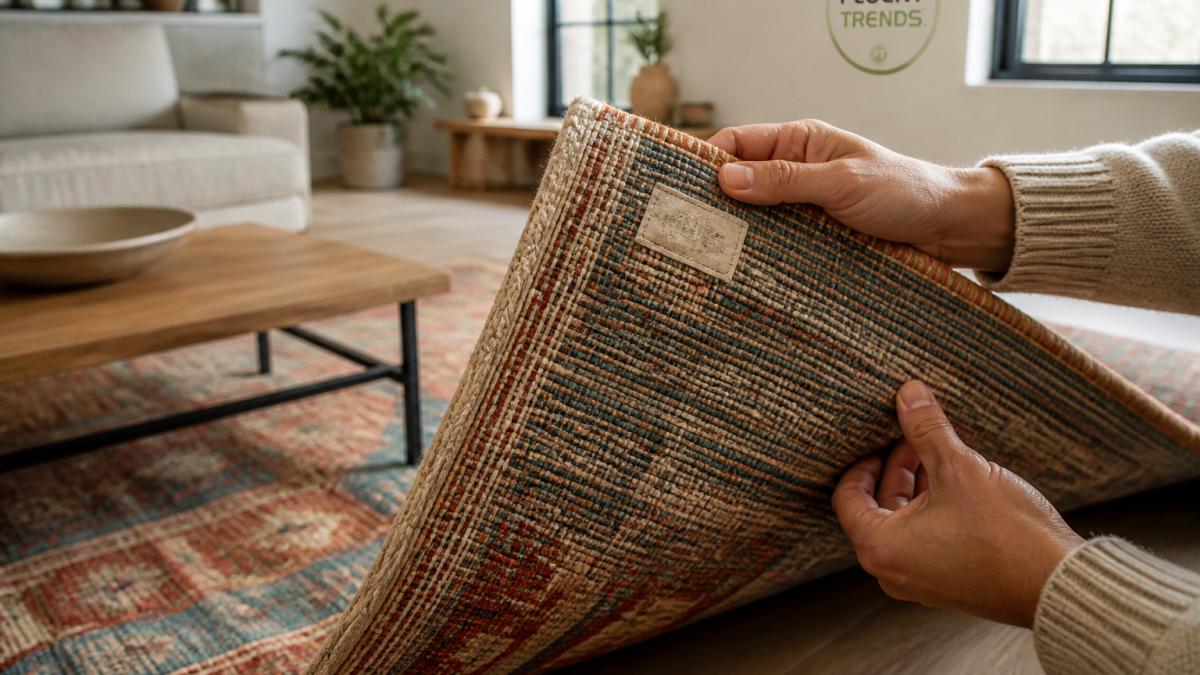
But one quick look is not enough. You need a repeatable process. Here is the four-step check we use before we buy anything for our own homes.
Step 1: Verify Provenance Before You Fall in Love
Provenance is the documented history of where a piece came from and who made it. Ask the seller for the maker's name, the region, and the technique used. A legitimate seller will have answers ready.
Look for details like the specific town or village where the piece was made. Our Zapotec rugs, for example, are hand woven in Teotitlán del Valle, a small rug-making town about 40 minutes outside of Oaxaca City. That level of specificity matters.

If a listing says "handmade" but cannot name the maker or region, treat that as a red flag. Vague origin stories are the number one sign of a mass-produced piece dressed up as heritage decor.
Ask for a photo of the maker's workshop if you are buying online. Real artisan businesses are proud to show where the work happens. A seller who cannot produce one photo is hiding something.
Step 2: Read the Materials List Like a Detective
Check the materials list carefully. Authentic pieces use natural materials like wool, organic cotton, linen, jute, and sustainably sourced wood. Synthetic blends often signal mass production.
Here is where most buyers get fooled. A rug labeled "wool blend" might contain mostly polyester. Ask for the exact percentage breakdown. If the seller cannot give you one, walk away.
For wood pieces, ask the species by name. Acacia wood and sheesham wood are both dense, durable hardwoods used in real heritage furniture. "Engineered wood" or "wood composite" usually means particle board under a veneer.
For textiles, look for milk and casein fiber, organic cotton, and Portugal-woven bedding. These materials feel luxurious and hold up to repeated washing. Portugal-woven bedding in particular is known for tight weaves that resist pilling.
Hypoallergenic options matter too. Look for OEKO-Tex certified fabrics, which means they have been tested for harmful substances (OEKO-TEX® STANDARD 100). Our handwoven sisal rugs are hypoallergenic, chemical-free, and dust mite resistant.
Step 3: Inspect Construction Details Up Close
Look at the construction too. Hand-knotted rugs have visible knots on the back. Hand-carved wood shows tool marks. Bone inlay furniture has slight variations in each piece of inlay. These are signs of human hands at work.
Ask for close-up photos of three specific spots. The back of the rug. The joint of the furniture. The edge of the inlay. Mass producers cannot fake irregularity at that scale.
On wood furniture, check the joinery. Dovetail joints and mortise-and-tenon joints signal real craftsmanship. Staples and screws holding a drawer together signal a factory.
Step 4: Cross-Check the Price Against the Craft
Real heritage pieces take time. A hand-knotted rug can take months. A bone inlay dresser can take weeks. If a price looks too low for that labor, it probably is.
This does not mean every authentic piece costs a fortune. It means the price should make sense for the hours involved. A machine-made copy will always undercut a handmade original. That gap is the tell.
When in doubt, ask how long the piece took to make. Artisans know. Resellers of mass-produced goods usually do not.
The Authentication Checklist You Can Save
Before you buy, run through these five questions. Who made it? Where? From what materials? Using what technique? And how long did it take? If the seller answers all five clearly, you are likely dealing with the real thing. If they dodge even one, keep looking.
The Materials That Make Heritage Pieces Last Decades
Material choice separates a piece that lasts five years from one that lasts fifty. The right wood, fiber, or fabric determines how well something handles daily life.
Wood Species and Why Hardness Matters
Wood hardness is measured on the Janka scale, which tests resistance to denting. Sheesham wood scores around 1,410 lbf on this scale. Teak, by comparison, scores around 1,000 lbf. That means sheesham is physically harder and more scratch-resistant.
This matters for furniture you use every day. A sheesham dining table absorbs impacts without chipping or splitting. Once properly seasoned by the manufacturer, it resists warping and twisting. The joints stay tight for decades.
Sheesham also protects itself naturally. The heartwood produces compounds toxic to dry-wood termites and fungi. No harsh chemical treatments needed.
Acacia wood offers similar durability with a different grain pattern. Both species work well for tables, beds, and storage pieces meant to last.
For textiles, look for milk and casein fiber, organic cotton, and Portugal-woven bedding. These materials feel luxurious and hold up to repeated washing. Portugal-woven bedding in particular is known for tight weaves that resist pilling.
Hypoallergenic options matter too. Look for OEKO-Tex certified fabrics, which means they have been tested for harmful substances. Our handwoven sisal rugs are hypoallergenic, chemical-free, and dust mite resistant.

Boucle furniture brings texture and warmth. The looped yarn creates a soft, sculptural look that works in both modern and traditional spaces.
Cultural Decor Styling Ideas for Modern Homes
Styling cultural decor in a modern home is about balance, not contrast. You want pieces that feel intentional, not like a museum display.
Mixing Heritage Pieces With Minimalist Furniture
Start with one statement piece. A handwoven rug anchors a seating area without overwhelming it. Our Zapotec Checkered Rug in Umber & Ivory adds pattern and warmth to a neutral room.
Layer in smaller pieces gradually. A bone inlay side table next to a clean-lined sofa creates visual interest. A brass figurine on a floating shelf adds a focal point.
Keep the color palette tight. If your space leans neutral, choose decor with earthy tones. If you have more color, pick pieces that echo those hues.
Texture matters more than color in minimalist spaces. Boucle chairs, wool rugs, and carved wood all add depth without adding clutter.
Zapotec Checkered Rug in Umber & Ivory →
How Ethically Made Home Decor Supports Artisans Worldwide
Ethically made home decor does more than look good. It keeps traditional crafts alive and puts money directly into artisan communities.
When you buy from makers who pay fair wages, you support families and local economies. You also help preserve techniques that might otherwise disappear. Weaving, carving, and inlay work are skills that take years to master.
Many artisan businesses are women-owned. Supporting them creates ripple effects that reach entire communities. Children stay in school. Healthcare improves. Local traditions continue.
Sustainable practices matter here too. Traditional techniques often use less energy and produce less waste than factory production. Hand-dyed wool, for example, uses natural pigments and small-batch processes.
Look for sellers who can tell you exactly who made your piece and how. Transparency is the clearest sign of ethical sourcing.
Caring for Handmade Cultural Decor So It Lasts
Proper care extends the life of handmade pieces by years. The right routine depends on the material. Get it wrong and you can strip a finish, crack an inlay, or fade a natural dye in a single afternoon.
Here is how to treat each material the way a conservator would.
Wool and Natural Fiber Rugs
For wool rugs, vacuum regularly with suction only. Disengage the beater bar to protect the fibers from fraying. Rotate the rug 180 degrees every six months for even wear.
For sisal rugs, blot spills immediately with a dry cloth. Never saturate the fibers with water, as moisture can cause warping or shrinking. For deep cleaning, professional dry cleaning is recommended.
Keep rugs out of direct sun. Natural dyes fade faster than synthetic ones. Rotating the rug helps, but a sheer curtain or a repositioned furniture layout helps more.
Dense Hardwoods Like Sheesham and Acacia
For wood furniture, dust with a soft cloth and avoid harsh chemicals. A light coat of furniture oil once or twice a year keeps the grain hydrated.
Sheesham wood scores around 1,410 lbf on the Janka hardness scale, which measures resistance to denting. Teak scores around 1,000 lbf by comparison. That density is why sheesham resists warping, twisting, and splitting once it is properly seasoned.
Acacia wood offers similar durability with a different grain pattern. Both species work well for tables, beds, and storage pieces meant to last. Keep them away from radiators and heating vents. Dry heat pulls moisture out of wood and causes cracks over time.
Use coasters under drinks and felt pads under lamps. Small habits prevent the scratches that dull a finish.
Bone Inlay Furniture
For bone inlay, wipe with a damp cloth and dry immediately. Avoid abrasive cleaners that can scratch the surface.
Never let water sit on inlay. The resin or grout between pieces can loosen over time if moisture seeps in. A dry microfiber cloth after every wipe is your best friend here.
Keep bone inlay out of direct sunlight. The contrast between the bone and the resin can yellow unevenly under UV exposure.
Boucle and Upholstered Pieces
Boucle furniture brings texture and warmth. The looped yarn creates a soft, sculptural look that works in both modern and traditional spaces.
Gentle vacuuming once a week keeps dust from settling into the loops. Spot clean with a mild detergent and cool water. Harsh solvents can break down the yarn and cause pilling.
Rotate cushions every few months. Even wear keeps the shape looking new for years.
Bedding and Textiles
Portugal-woven bedding and organic cotton sheets hold up best with cold water washes and low heat drying. High heat breaks down fibers faster than anything else.
Milk and casein fiber blends need extra care. Wash them on a delicate cycle and skip the fabric softener. Softener coats the fibers and reduces their natural breathability.
OEKO-Tex certified fabrics and hypoallergenic materials are already free of harsh chemical finishes. You do not need to add anything to keep them clean.
A Quick Reference Table
| Material | Cleaning Method | Frequency | What to Avoid |
|---|---|---|---|
| Wool rugs | Suction vacuum, rotate 180° | Weekly, rotate every 6 months | Beater bar, excess water, direct sun |
| Sisal rugs | Blot spills, professional dry clean | As needed | Saturating with water |
| Sheesham wood | Soft cloth, furniture oil | Dust weekly, oil 1-2x yearly | Harsh chemicals, direct sun, dry heat |
| Acacia wood | Soft cloth, furniture oil | Dust weekly, oil 1-2x yearly | Harsh chemicals, standing water |
| Bone inlay | Damp cloth, dry immediately | As needed | Abrasive cleaners, sitting water, UV light |
| Boucle fabric | Gentle vacuum, spot clean | Weekly | Harsh solvents, fabric softener |
| Portugal-woven bedding | Cold wash, low heat dry | Every 1-2 weeks | Hot water, high heat, fabric softener |
When to Call a Professional
Some jobs are not DIY. Antique brass with heavy tarnish, natural pigment textiles with deep stains, and structural repairs on bone inlay all need a trained hand. A bad repair can cut a piece's value in half.
Ask the seller or maker for care guidance before you buy. Good makers will tell you exactly what they recommend. That guidance is worth more than any generic cleaning blog.
What to Ask Before You Buy Cultural Heritage Decor Online
Buying cultural heritage decor online comes with real risks. You cannot touch the piece or inspect it in person. Asking the right questions protects your investment.
Start with the maker. Who made this piece, and where? What technique did they use? How long did it take?
Ask about materials next. What is it made from? Is it natural or synthetic? Is it OEKO-Tex certified or hypoallergenic?
Then ask about shipping and returns. What happens if the piece arrives damaged? How long do you have to return it? Who pays for return shipping?
Finally, ask about care. What does the seller recommend for cleaning and maintenance? Do they offer any guidance after purchase?
A seller who answers these questions clearly is worth your trust. One who dodges them is not.
Frequently Asked Questions
How can you tell if a cultural decor piece is authentic?
Look for irregular details that machines cannot copy. Hand-knotted rugs show slight row variations. Bone inlay has tiny gaps between cut pieces. Ask for the maker's name, region, and technique. A genuine seller answers without hesitation. Mass-produced copies look too uniform and often ship without any maker story or documentation.
How do you style cultural decor without making a room feel themed?
Pick one or two statement pieces and let everything else stay quiet. A Zapotec rug or bone inlay side table carries a room on its own. Keep walls neutral, choose simple furniture lines, and repeat one color from the piece across cushions or art. The goal is a collected home, not a showroom replica of one region.
What should you ask before buying artisan-made decor?
Ask who made it, where, and from what materials. Request care instructions and know the return policy before checkout. Confirm shipping timelines for made-to-order items, which can run 8 to 10 weeks. A seller who answers these questions clearly is usually one worth buying from.
How can you care for handmade cultural decor?
Match care to material. Vacuum sisal rugs with suction only and rotate them 180 degrees every six months. Blot spills right away and never soak plant fibers. Dust wood pieces with a dry cloth and keep them out of direct sun. Wool rugs benefit from occasional airing and professional cleaning every few years.
Finding authentic cultural heritage decor takes patience and the right questions. At Fluent Trends, we make that search easier with a curated collection of ethically made, handcrafted pieces. Our artisan partners include women-owned businesses and global makers who use sustainable practices. Every piece in our collection tells a real story and supports real communities. Shop our Artisan Collection and find decor built to last for decades.