

Avoiding Greenwashing in Home Decor: A 2026 Guide
Yuatinia LeakTable of Contents
- What Greenwashing Means in Home Decor
- Common Greenwashing Tactics Manufacturers Use
- How to Verify Sustainable Claims Before You Buy
- Sustainable Furniture Certifications That Matter
- Eco-Friendly Home Decor Examples Worth Considering
- Supply Chain Transparency and Material Traceability
- Building Your Sustainable Home with Intentional Choices
- Frequently Asked Questions
Last Updated: September 1, 2026
What Greenwashing Means in Home Decor
Greenwashing in home decor involves making misleading environmental claims about furniture and accessories. Manufacturers use vague language, false certifications, and selective transparency to appear sustainable without meaningful action. This deceptive marketing exploits consumers genuinely wanting to reduce their environmental impact.
The problem has grown as demand for eco-friendly home goods surged. Brands capitalize on consumer guilt, knowing most people won't investigate supply chains or material sourcing. What starts as earnest responsibility becomes a minefield of false promises.
Greenwashing thrives because home decor lacks standardized sustainability definitions. A brand can claim "eco-friendly" without meeting any regulatory threshold. They might source one sustainable material while ignoring their entire supply chain. They might highlight carbon offsets while obscuring labor practices that contradict their messaging.
Common Greenwashing Tactics Manufacturers Use
Manufacturers deploy predictable strategies to create an illusion of sustainability. Understanding these tactics protects you from expensive mistakes disguised as conscious choices.
Vague language and undefined terms represent the most common tactic. Words like "natural," "eco-friendly," "green," and "sustainable" carry no legal weight. A sofa labeled "natural materials" might contain synthetic foam and petroleum-based dyes. The term "eco-conscious" means nothing without specific certifications backing it up.
Misleading imagery shapes perception without making explicit claims. Brands photograph products against forests and mountains. They use earth-tone packaging and leaf motifs. Visual design suggests environmental responsibility while the actual product contains virgin plastics and synthetic fibers.
Hidden trade-offs occur when brands emphasize one sustainable attribute while ignoring larger impacts. A wooden table highlights responsibly harvested timber while the finish contains volatile organic compounds. A throw pillow boasts organic cotton while its polyester fill sheds microplastics. Highlighting the greenest element while obscuring the worst ones is textbook greenwashing.
Fake certifications and third-party impersonation create false credibility. Some manufacturers invent certification logos resembling legitimate programs. Others use real certifications selectively, claiming eco-credentials in marketing while never completing formal verification.
Irrelevant claims make technically true statements that miss the point entirely. "CFC-free" refrigerants stopped being notable decades ago. "Plastic-free packaging" means nothing if the product itself is entirely plastic.
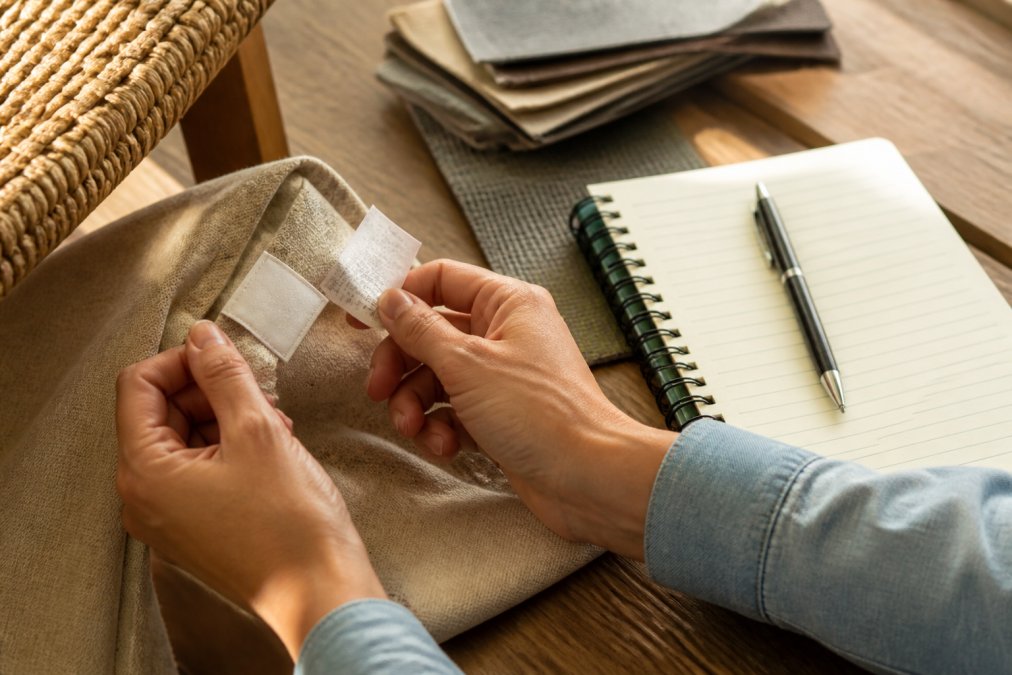
Supply chain opacity lets brands make broad sustainability claims without proving them. They claim "ethically sourced" materials without naming suppliers or allowing audits. Vague supply chain language protects manufacturers from accountability while appearing transparent.
How to Verify Sustainable Claims Before You Buy
Verification requires becoming a skeptical investigator. The effort separates genuine sustainable pieces from expensive greenwashing.
Start by researching the manufacturer directly. Visit their website and search for sustainability reports, supply chain documentation, and third-party certifications. Legitimate companies publish this information prominently. Check whether they name specific factories, material suppliers, or certification bodies. Anonymous claims deserve anonymous skepticism.
Look for third-party certifications from recognized organizations. The Global Organic Textile Standard (GOTS) verifies organic fiber production and fair labor practices. The Forest Stewardship Council (FSC) certifies responsibly harvested wood. Cradle to Cradle certification confirms products are designed for recycling or composting. These programs require independent audits, making them harder to fake.
Ask specific questions before purchasing. Request material composition breakdowns beyond product descriptions. Ask where materials originate and which factories perform manufacturing. Inquire about chemical treatments, dyes, and finishing processes. Request information about labor practices and wage standards. Legitimate manufacturers answer these questions.
Examine the material composition honestly. A product labeled "sustainable" might contain 30% organic cotton and 70% synthetic polyester. Request full breakdowns and calculate percentages yourself. Understanding actual material composition reveals greenwashing immediately.
Check for lifecycle assessment data. Some manufacturers publish environmental impact studies showing carbon footprint, water usage, and waste generation. This data demonstrates genuine commitment to measuring environmental performance. Brands without lifecycle assessments often avoid this transparency.
Verify labor practices independently. Fair trade certifications and labor audits provide verifiable proof of ethical manufacturing. Request wage information, working condition documentation, and third-party audit results. If a manufacturer won't disclose labor practices, assume the worst.
Sustainable Furniture Certifications That Matter
Legitimate certifications require rigorous standards and regular verification. Understanding which certifications carry weight helps identify genuine sustainable pieces.
Global Organic Textile Standard (GOTS) represents the gold standard for organic fiber verification. This certification confirms textiles contain at least 70% organic fibers grown without synthetic pesticides. GOTS audits manufacturing processes to ensure low-impact dyes and finishes. The program verifies fair labor practices and safe working conditions.
Forest Stewardship Council (FSC) Certification proves wood comes from responsibly managed forests. FSC-certified wood is harvested at sustainable rates without destroying ecosystems. The certification covers the entire supply chain from forest to finished furniture.
Cradle to Cradle Certified Products are designed for continuous cycling through manufacturing or natural decomposition. This certification ensures materials can be recycled indefinitely without losing quality. Products earning Cradle to Cradle status demonstrate commitment to circular economy principles.
OEKO-TEX Standard 100 certifies that textiles are free from harmful chemicals. This certification tests for volatile organic compounds, heavy metals, and pesticide residues. OEKO-TEX verification confirms that fabrics won't off-gas harmful chemicals into your home.
Bluesign System tracks chemicals throughout textile production to eliminate harmful substances at the source. This certification prevents toxic dyes, heavy metals, and volatile compounds from entering manufacturing processes.
Fair Trade Certification verifies that workers received fair wages and worked in safe conditions. Fair Trade audits confirm manufacturers paid above minimum wage and maintained safe environments.
Eco-Friendly Home Decor Examples Worth Considering

Genuine sustainable home decor combines verified materials with transparent manufacturing. These examples demonstrate what authentic eco-friendly pieces look like.
Handcrafted textiles using organic fibers represent sustainable home decor at its finest. Items like the Ink Black White Ombre Textured Throw in Hand Spun Merino feature hand-spun merino wool with hand-stitched hems. These pieces eliminate industrial manufacturing processes, reducing energy consumption and waste. Merino wool naturally resists odors and stains without chemical treatments. Hand stitching creates durability that mass-produced alternatives cannot match.

Sustainable tablecloths and linens made from responsibly sourced fibers offer everyday sustainability. The Sustainable Kayseri Tablecloth Set in Blue combines traditional Mediterranean craftsmanship with modern sustainability standards. Linen production requires minimal pesticides compared to conventional cotton. Natural fibers biodegrade completely at end of life rather than persisting as microplastics.
Handcrafted accessories from sustainable materials integrate eco-consciousness into everyday decor. The Chayana Moon Phase Mother of Pearl Wind Chime uses mother of pearl shells and handmade bells created using age-old techniques. Artisans apply traditional bell-craft methods with hand tools rather than industrial machinery. The jute hanging loop replaces synthetic cord.
Minimalist eco-friendly accessories prove sustainability doesn't require excess. The STREAM Eco-Friendly Minimalist Pencil Holder addresses single-use plastic waste through thoughtful design. This piece functions as both pencil holder and planter, reducing items required for organization.
Garden accessories from sustainable sources extend eco-consciousness outdoors. The REVOLVE Eco-Friendly Watering Can combines natural wood with sustainable materials. Traditional design eliminates plastic entirely. Durable construction means this piece serves multiple generations.
Supply Chain Transparency and Material Traceability
Supply chain transparency separates genuine sustainability from greenwashing. Understanding where materials originate reveals the true environmental impact of your purchases.
Material traceability begins at the source. Responsible manufacturers identify specific farms, forests, or recycling facilities where materials originate. They document processing methods and chemical treatments applied throughout production. They name factories where assembly occurs and verify labor conditions independently.
Vertical integration demonstrates supply chain control. When manufacturers own or directly oversee production facilities, they maintain quality and environmental standards. Brands that outsource to anonymous contract manufacturers lose visibility over actual practices.
Third-party audits verify supply chain claims. Independent auditors inspect facilities, interview workers, and verify documentation. Brands welcoming regular audits demonstrate confidence in their operations. Companies resisting external verification suggest their practices wouldn't withstand scrutiny.
Blockchain and digital tracking systems now enable material traceability from source to consumer. Some manufacturers use blockchain to document each production step, creating tamper-proof records. Digital systems allow consumers to verify product history by scanning QR codes.
Regional certification differences matter significantly. European sustainability standards often exceed standards applied in other regions. The EU Ecolabel requires rigorous environmental criteria across product lifecycles. Understanding these differences prevents accepting weaker standards as equivalent.
Building Your Sustainable Home with Intentional Choices
Avoiding greenwashing requires intentional decision-making throughout your home furnishing process. Strategic choices compound over time, creating spaces reflecting your values authentically.
Prioritize quality and durability over quantity. Fast furniture designed for rapid replacement drives consumption and waste. Investing in fewer, higher-quality pieces that last decades reduces overall environmental impact. Durable items justify premium prices because you're not replacing them constantly.
Research brands before committing to purchases. Spend time investigating sustainability claims, certifications, and supply chain practices. Read customer reviews about durability and longevity. Contact manufacturers directly with specific questions. This research effort prevents expensive mistakes.
Choose timeless design over trend-driven aesthetics. Trendy pieces feel dated within seasons, encouraging replacement and waste. Timeless design remains relevant for decades, reducing the urge to refresh constantly.
Mix new sustainable pieces with secondhand finds. The second-hand market offers environmental benefits that new sustainable production cannot match. Purchasing used furniture eliminates manufacturing impacts entirely. Secondhand pieces often feature superior craftsmanship from eras prioritizing durability.
Support artisans and women-owned businesses intentionally. Purchasing from makers directly supports livelihoods and preserves craft heritage. Women-owned businesses often prioritize fair labor practices and community well-being. Supporting these creators extends your environmental values to social responsibility.
Evaluate total lifecycle impact, not individual claims. Consider material sourcing, manufacturing processes, transportation distances, and end-of-life options. A piece made from organic cotton shipped internationally might carry higher carbon footprint than locally produced conventional furniture.
Avoiding greenwashing in home decor demands vigilance, but the effort protects both your investment and your values. Genuine sustainable pieces combine verified materials with transparent supply chains and ethical manufacturing. When you prioritize third-party certifications, material traceability, and direct manufacturer communication, you support brands operating with integrity.
Fluent Trends specializes in curated home decor from artisans and women-owned businesses meeting rigorous sustainability standards. Every piece undergoes verification for ethical sourcing, fair labor practices, and environmental responsibility. By choosing intentionally crafted goods that support global makers, you invest in authentic sustainability while elevating your living space with distinctive, handcrafted beauty.
Frequently Asked Questions
What are the most common greenwashing tactics in home decor?
Manufacturers use vague language like 'eco-friendly' without certification, display green imagery unrelated to actual practices, and claim sustainability without supply chain evidence. Some use misleading certifications that lack third-party verification. Others highlight one sustainable attribute while ignoring harmful production methods. Always demand proof beyond marketing language.
How do I verify sustainable claims on home decor items?
Request documentation of sustainable furniture certifications like FSC, GOTS, or Cradle to Cradle. Ask manufacturers for supply chain transparency reports and material sourcing details. Check if third-party certifications appear on product labels. Research the maker's website for specific production methods and environmental impact data. Contact the brand directly with detailed questions about labor practices, chemical use, and waste reduction. Authentic companies provide detailed answers; greenwashers deflect or offer vague responses.
What certifications should I look for in sustainable home decor?
FSC (Forest Stewardship Council) certifies responsibly harvested wood. GOTS (Global Organic Textile Standard) verifies organic cotton and ethical labor. Cradle to Cradle confirms circular design principles. Fair Trade certification ensures artisan wages and working conditions. Look for certifications from independent third parties, not manufacturer claims. The EU Ecolabel and GreenGuard Gold also indicate rigorous environmental standards. Verify certifications on official databases before purchasing, as counterfeit labels are common in home decor.
How does supply chain transparency affect greenwashing prevention?
Transparent supply chains allow consumers to verify every production stage, from raw material sourcing through manufacturing to shipping. Brands practicing genuine sustainability openly share supplier names, production locations, and environmental impact metrics. This transparency makes greenwashing harder because claims become verifiable. Companies hiding supply chain details typically do so because practices don't align with marketing messages. Demand access to traceability information and material sourcing documentation. Authentic artisan makers proudly showcase their craftspeople and production methods.
What is the difference between green marketing and greenwashing?
Green marketing accurately communicates genuine environmental benefits with verifiable evidence and third-party certification. Greenwashing uses misleading environmental claims without substantiation to appear sustainable while practices remain harmful. Green marketers provide specific data about carbon footprint reduction, material sourcing, and production impact. Greenwashers use vague buzzwords like 'natural' or 'eco-conscious' without measurable proof. Evaluate whether marketing includes specific metrics, certifications, and transparent supply chain information or relies on imagery and emotion.
Why is chemical safety important beyond 'non-toxic' claims?
Volatile organic compounds (VOCs) and harmful chemicals in finishes, dyes, and adhesives affect indoor air quality and health. 'Non-toxic' lacks legal definition and remains unregulated marketing language. Look instead for certifications like GreenGuard Gold, which tests for chemical off-gassing and indoor air quality impact. Responsibly manufactured furniture avoids formaldehyde, phthalates, and heavy metals through production oversight. Request material safety data sheets and ask about finishing processes. Handcrafted pieces using natural dyes and traditional techniques typically involve fewer synthetic chemicals than mass-produced alternatives.
This article was written using GrandRanker