

Best Sustainable Luxury Home Decor 2026
Yuatinia LeakTable of Contents
- What Defines the Best Sustainable Luxury Home Decor in 2026
- 10 Best Sustainable Luxury Home Decor Pieces for 2026
- Certifications Guide: How to Verify Sustainable Home Goods
- Benefits of Investing in Sustainable Home Goods
- Eco-Friendly Luxury Furniture Brands: What to Look For
- How to Style Sustainable Home Decor in Any Interior
- Sustainable Luxury on a Budget: Where to Start
- Conclusion
Last Updated: August 22, 2026
What Defines the Best Sustainable Luxury Home Decor in 2026
Sustainable luxury home decor merges ethical sourcing, artisanal craftsmanship, and enduring aesthetic value. At Fluent Trends, we track this category closely. The pieces that earn the label are traceable, durable, and made with genuine care for people and planet.
Consumers now demand specificity. They want to know who made the piece, what materials were used, and whether those materials last a decade of daily living. This scrutiny is driving intentional, slow design built to last.
Biophilic Design and the Organic Luxe Aesthetic
Biophilic design integrates natural materials, forms, and living elements into interior spaces. It supports human well-being through reclaimed wood sideboards, cedar vases, and stone vessels. It's rooted in how humans respond to natural environments.
The organic luxe aesthetic builds on this foundation. Earth-toned palettes, sculptural silhouettes, and natural fibers define the look. Raw mango wood with visible grain, handwoven merino with visible texture, stoneware with fingerprint marks from the maker. Imperfection signals authenticity.
According to the Biophilic Design Network's research overview, spaces incorporating natural materials show improvements in occupant comfort and perceived quality. That data matters when investing in heirloom-level pieces.
Quiet Luxury and Timeless Aesthetic Over Trend Cycles
Quiet luxury rejects novelty. It favors restraint, quality, and longevity over seasonal refresh cycles. A handcrafted solid wood sideboard doesn't need replacement in three years. A hand-spun merino throw doesn't go out of style.

This is the core tension in sustainable luxury: buying less, but buying better. The timeless aesthetic is a deliberate editorial choice to invest in pieces with genuine lifecycle value.
10 Best Sustainable Luxury Home Decor Pieces for 2026
The following pieces represent the strongest intersection of ethical production, material quality, and enduring design.
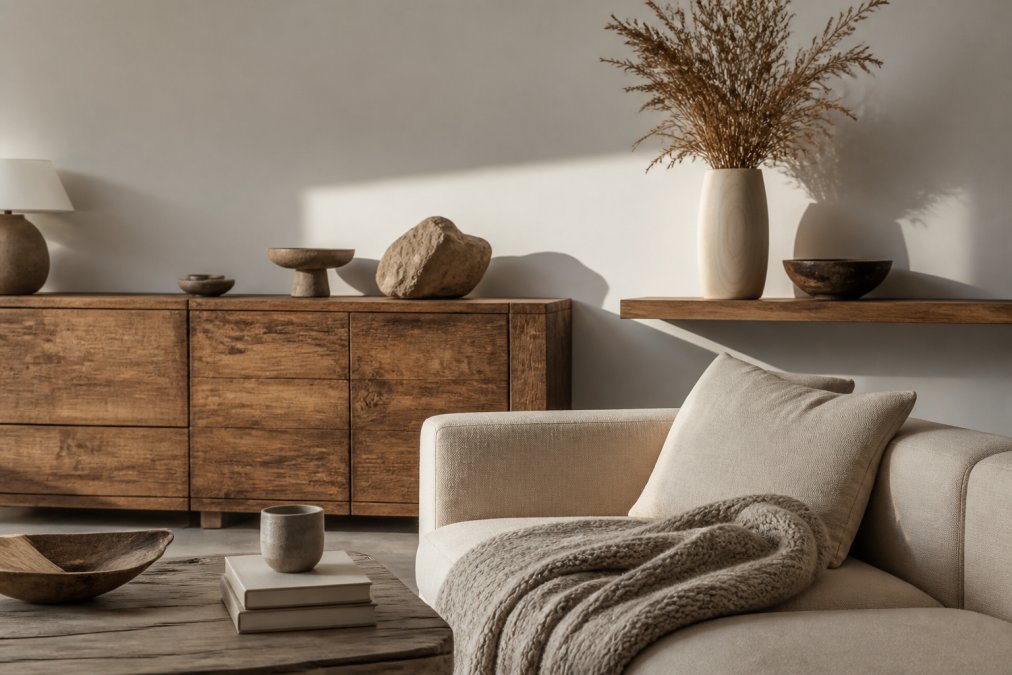
1. Reclaimed Wood Sideboard (Mango Wood) - $1,562.99 Handcrafted from premium reclaimed mango wood with high-contrast grain patterns and organic knots. The iron frame provides clean alignment without overwhelming the natural material. It works equally well in dining rooms, entryways, and open-plan living spaces. Upcycled decor at this finish level is rare.
2. Amber Wavefront Artisan Solid Wood Sideboard - $1,454.98 Hand-carved from 100% solid mango wood and finished in warm Amber Oak with brass hardware. Artisans treat each piece as a signature work. No veneer, no engineered substitutes. The weight and grain variation confirm authenticity immediately.
3. Ink Black White Ombre Textured Throw (Hand-Spun Merino) - $259.00 Handwoven in Nepal from locally sourced merino wool using eco-friendly Swiss dyes. Small-batch production ensures minimal waste. The hand-stitched hem and short fringe deliver a clean, modern finish. This throw ages beautifully and becomes an heirloom.
4. Sustainable Kayseri Tablecloth Set - Blue - $110.00 Made from 50% recycled cotton through clean manufacturing with no harmful chemicals or water waste. Hand-tied tassels reference traditional Mediterranean craft techniques. At 95 by 71 inches with twelve napkins, this set handles everyday and formal dining.
5. Stoneware Pitcher, Kuduo 64 oz - $69.00 Handmade by ceramists at Gharyan Stoneware, one at a time. Completely free of toxic heavy metals, food safe, and dishwasher safe. The fingerprints and grid marks on the base mark true craftsmanship. Non-toxic finishes throughout.
6. Blonde Cedar Vase - $69.00 Hand-finished with sustainably sourced timber from Guatemala by maker Itza Wood. The cedar grain and warm blonde tone anchor any shelf or surface. Use it with botanicals, dried stems, or kitchen utensils. Simple, purposeful, and genuinely low-impact.
7. Lahar Wavy Wire Bowl - $39.99 Handcrafted from iron with antique copper finish by artisans in Moradabad, India, through Ten Thousand Villages. The sculptural wire form functions as a fruit bowl, catchall, or centerpiece. Ethical manufacturing is built into its origin story.
8. Orion Hexagonal Plant Pot (3D Printed, Eco-Friendly) - $21.60 3D printed from PLA, a thermoplastic derived from upcycled materials including corn, beets, and wheat grass. Biodegradable, recyclable, and compostable. The hexagonal geometry reads as modern and architectural. Ten color options allow precise styling.
9. REVOLVE Eco-Friendly Watering Can - $29.00 Made from 60% bioplastic derived from corn and 40% recycled wood fibers, manufactured locally in Texas. Made to order, which eliminates unnecessary inventory waste. A functional object with a genuine sustainability story.
10. FIREUP Enameled Cast Iron Skillet with Lid, Oxford Blue 10" - $255.00 Crafted in Italy from recycled iron with chip-resistant enamel finish free from lead. Compatible with all heat sources, including induction. The 20-year manufacturing warranty signals genuine heirloom quality. Sustainable cookware belongs in the same conversation as fine furniture.
Piece |
Material |
Price |
Sustainability Feature |
|---|---|---|---|
Reclaimed Wood Sideboard |
Reclaimed mango wood |
$1,562.99 |
Upcycled timber, zero-waste joinery |
Solid mango wood |
$1,454.98 |
Sustainably sourced, no veneer |
|
Merino Ombre Throw |
Hand-spun merino wool |
$259.00 |
Small-batch, non-toxic dyes |
Kayseri Tablecloth Set |
50% recycled cotton |
$110.00 |
Clean manufacturing, no water waste |
Kuduo Stoneware Pitcher |
Handmade stoneware |
$69.00 |
Non-toxic, no heavy metals |
Blonde Cedar Vase |
Sustainably sourced cedar |
$69.00 |
Ethical forestry, Guatemala |
Lahar Wavy Wire Bowl |
Recycled iron |
$39.99 |
Fair trade, community artisans |
Orion Hexagonal Planter |
PLA bioplastic |
$21.60 |
Biodegradable, compostable |
REVOLVE Watering Can |
Bioplastic + wood fiber |
$29.00 |
Made to order, local production |
FIREUP Cast Iron Skillet |
Recycled iron, enamel |
$255.00 |
20-year warranty, recyclable |
Certifications Guide: How to Verify Sustainable Home Goods
Certification is where sustainability claims get tested. Without third-party verification, "eco-friendly" is marketing copy.

The most credible certifications include OEKO-TEX Standard 100 for toxin-free textiles, FSC certification for responsibly managed forests, Fair Trade Certified for fair wages and safe conditions, and B Corp certification for comprehensive social and environmental performance.
For ceramics and cookware, look for products explicitly free from lead and cadmium. For textiles, non-toxic dyes and recycled fiber content are verifiable markers.
The Forest Stewardship Council's certification database allows consumers to verify wood product claims directly. The OEKO-TEX certification lookup tool provides manufacturer-level textile verification. Use these tools before committing to investment-level purchases.
Benefits of Investing in Sustainable Home Goods
The case for sustainable luxury home decor is both ethical and economic.
Heirloom Quality and Lifecycle Value
Heirloom quality means a piece outlasts the buyer and retains aesthetic relevance across decades. Mass-produced furniture degrades. Solid mango wood develops a richer patina. Hand-spun merino softens with use. Handmade stoneware deepens in character.
A $1,562 reclaimed wood sideboard lasting 40 years costs less per year than a $400 mass-produced alternative replaced every five. Conscious consumerism at its most practical: buy once, buy well.
Lifecycle Assessment evaluates a product's total environmental impact from raw material extraction through end of life. Products made from reclaimed or renewable resources with minimal processing and durable construction consistently outperform mass-produced alternatives. Artisanal craftsmanship and durability are the same value expressed differently.
Maintenance and Care for Sustainable Materials
Sustainable materials reward attentive care. Solid mango wood benefits from occasional oiling with food-safe mineral oil. Hand-spun merino throws should be hand-washed in cool water and laid flat to dry. Stoneware is dishwasher safe, but hand-washing preserves the surface finish longer.
Cast iron cookware requires no seasoning before first use due to its enamel coating. Avoid thermal shock by not transferring it directly from a hot burner to cold water. These small habits compound into generational longevity.

Eco-Friendly Luxury Furniture Brands: What to Look For
Not every brand claiming sustainability delivers it. The gap between marketing and practice is wide.
Genuine eco-friendly luxury furniture brands name their makers and sourcing regions. They use certifiable materials: FSC-certified wood, OEKO-TEX textiles, recycled metals. They produce in small batches or to order, eliminating overproduction waste. They offer transparency about supply chain, not just aesthetic.
Fair trade practices matter as much as materials. Artisanal craftsmanship supports living wages and preserves traditional techniques. The Lahar Wavy Wire Bowl supports low-income communities in Moradabad through Ten Thousand Villages. The Ink Black White Ombre Throw supports women artisans in Nepal through direct, ethical trade.
When evaluating brands, ask three questions. Who made this? What is it made from? How long will it last? Brands answering all three with specificity have earned the sustainable luxury designation.
How to Style Sustainable Home Decor in Any Interior
Sustainable home decor works across aesthetic registers. The misconception is that handcrafted, globally sourced pieces only suit bohemian or maximalist interiors. That's incorrect.
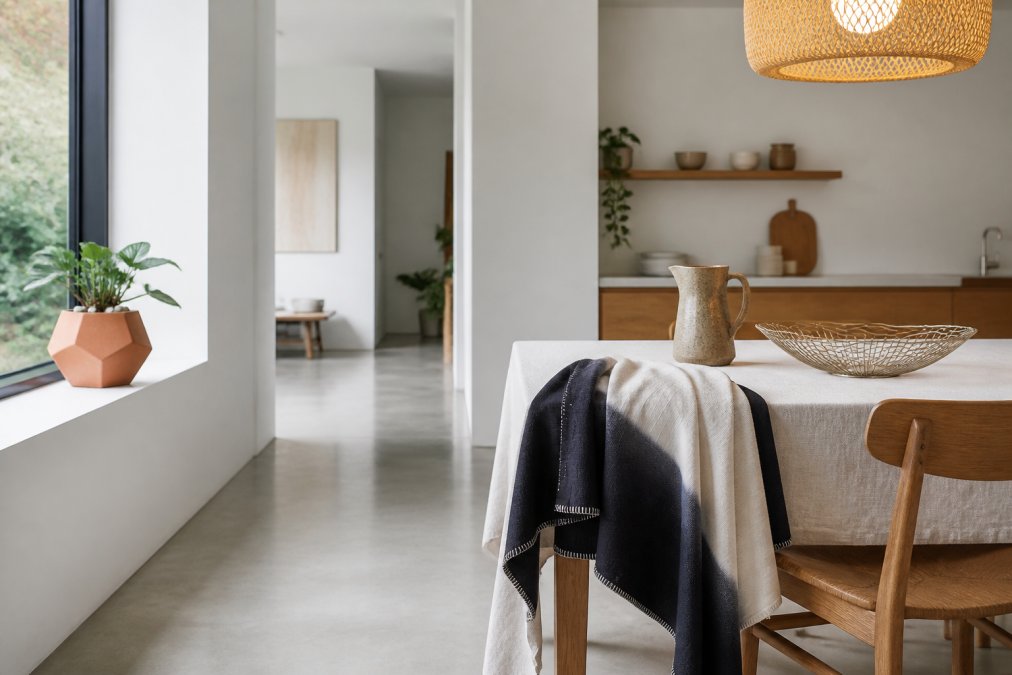
The key is anchoring natural materials within a restrained composition. A single reclaimed wood sideboard grounds a modern minimalist space without cluttering it. A cedar vase on a white shelf reads as sculptural, not rustic. The organic luxe aesthetic scales depending on how many pieces you introduce.
Upcycled and Reclaimed Decor in Modern Minimalist Spaces
Reclaimed and upcycled decor succeeds in minimalist interiors when treated as a focal point. One Reclaimed Wood Sideboard against a white wall is a statement. Three mismatched reclaimed pieces become visual noise.
Choose one significant reclaimed piece per room. Let the material speak. Pair it with neutral textiles, clean lines, and negative space. The grain patterns and organic knots in reclaimed mango wood carry enough visual interest alone.
Earth-toned palettes support this strategy. Warm whites, warm grays, and natural linen tones allow reclaimed wood and handmade ceramics to read as elevated rather than rustic.
Modular and Hybrid Furniture Solutions for Flexible Rooms
Modular furniture extends the sustainability argument. A sideboard functioning in an entryway, dining room, and home office doesn't need replacement when a room's purpose changes. The Amber Wavefront Sideboard, designed with generous compartments, serves multiple functional contexts without aesthetic compromise.
Hybrid thinking applies to accessories too. The Kuduo Stoneware Pitcher works as a water vessel, wine decanter, or vase. The Blonde Cedar Vase holds botanicals or kitchen utensils. Objects with multiple uses reduce the total number of pieces required.
Sustainable Luxury on a Budget: Where to Start
Sustainable luxury home decor doesn't require a complete overhaul. The most effective approach is selective and strategic.
Start with textiles. They have the highest visual impact per dollar and lowest barrier to entry. The Sustainable Kayseri Tablecloth Set transforms a dining space immediately. The Ink Black White Ombre Throw anchors a living room with genuine artisanal weight.
Add one sculptural accent. The Lahar Wavy Wire Bowl or the Blonde Cedar Vase introduces handcrafted form without significant investment. These pieces carry a cultural narrative and support ethical manufacturing at an accessible price point.
Reserve the larger investment for furniture when ready. A reclaimed wood sideboard or solid mango wood piece purchased once, cared for well, and passed down is the most financially sound decision. The circular economy begins with buying fewer, better things.
As documented in the EPA's Sustainable Materials Management program overview, reducing consumption and extending product lifespans are among the highest-impact individual actions for reducing household environmental footprint. Sustainable luxury, done right, is an environmental act.
Choosing sustainable luxury home decor is a long-term commitment to how your space looks, who made it, and what it costs the planet. Fluent Trends curates pieces that meet all three standards: the Reclaimed Wood Sideboard and Amber Wavefront Sideboard for investment-level furniture, the Merino Ombre Throw and Kayseri Tablecloth Set for artisanal textiles, and the Kuduo Stoneware Pitcher and Lahar Wavy Wire Bowl for handcrafted accents. Every piece in the Artisan Collection supports women-owned businesses and global makers through direct, ethical trade. Shop Now and build an interior that stands for something.
Frequently Asked Questions
How do I identify truly sustainable luxury home decor?
Look beyond marketing language. Genuine sustainable luxury home decor carries verifiable third-party certifications such as FSC for wood, GOTS for textiles, or Fair Trade USA for artisan goods. Examine the material sourcing, manufacturing location, and whether artisans receive fair wages. Small-batch production, non-toxic finishes, and transparent supply chains are strong indicators. If a brand cannot tell you exactly where and how a piece was made, that silence is the answer.
What materials define sustainable luxury in home interiors?
The strongest sustainable luxury materials include solid reclaimed wood, hand-spun natural fibers like merino wool and linen, stoneware fired without toxic heavy metals, recycled iron, and bioplastics derived from renewable plant sources. These materials share two qualities: low environmental impact during production and exceptional durability over decades. They age with character rather than deteriorating, which is what separates a genuine heirloom piece from a trend-driven purchase.
Is quiet luxury still a dominant trend for 2026 home decor?
Quiet luxury is not fading. For 2026, it has deepened into what designers call intentional design, where every object earns its place through craftsmanship, material integrity, and cultural narrative. Earth-toned palettes, sculptural silhouettes, and artisanal textures dominate. The shift away from maximalism continues, with conscious consumerism driving demand for fewer, better pieces rather than seasonal refreshes.
What certifications should I look for in sustainable home products?
For wood furniture, FSC (Forest Stewardship Council) certification confirms responsible sourcing. For textiles, GOTS (Global Organic Textile Standard) verifies organic fiber and ethical manufacturing. Fair Trade USA certification covers fair wages and safe working conditions for artisans. For finishes and coatings, look for GREENGUARD Gold certification, which confirms low chemical emissions. No single certification covers everything, so the most trustworthy products often carry multiple verifications.
How can I incorporate artisan-made goods into a modern luxury home?
Start with anchor pieces that carry strong sculptural presence, such as a solid wood sideboard or a handwoven throw. Let natural textures and earth-toned palettes do the visual work. Artisan-made goods integrate best when they are given space rather than clustered. A single handcrafted stoneware pitcher on a dining table, or a cedar vase on a shelf, creates more impact than a crowded arrangement. Intentional placement is the foundation of a curated, narrative-driven interior.
This article was written using GrandRanker