

Casein Pillowcases: Why They're Worth the Investment
Yuatinia LeakLast Updated: October 22, 2026
Quick Summary
Casein pillowcases are woven from milk fiber, a natural protein that maintains your skin's pH balance while retaining moisture during sleep. Unlike cotton or silk, casein fiber holds hydration where your skin needs it most and naturally resists bacteria buildup without chemical treatments.
- Casein pillowcases last three to five years with proper care, outlasting silk by years.
- The milk fiber blend is hypoallergenic and OEKO-TEX certified, making it ideal for sensitive skin.
- Machine wash in cold water with gentle, enzyme-free detergent to preserve the protein structure.
- The Signature Milk Fibre Pillowcase Set costs $78.00 for two pillowcases with Portugal-woven construction.
- Casein fiber reduces hair friction and frizz while supporting your skin's natural repair cycle at night.
Table of Contents
- What Are Casein Pillowcases Really Made From
- Milk Fiber Pillowcases vs. Silk and Other Fabrics
- Why Casein Pillowcases Work for Sensitive Skin
- The Real Benefits: Hair, Skin, and Sleep Quality
- How to Wash Milk Fiber Pillowcases the Right Way
- Durability and Longevity: What to Expect
- Sizing, Closure Types, and Finding Your Fit
- Price, Value, and Making the Right Choice
- Conclusion
- Frequently Asked Questions
What Are Casein Pillowcases Really Made From
Casein pillowcases are woven from milk fiber, a natural protein derived from dairy. The material works differently than silk or cotton because it mimics your skin's natural pH balance. Most fabrics pull moisture away from your face during sleep. Casein does the opposite, holding hydration where your skin needs it most.
The fiber comes from casein protein, which is extracted and spun into yarn. Portugal-woven bedding manufacturers blend this milk fiber with organic cotton and beechwood micromodal to create a smooth, breathable weave. The result feels silky against your skin without the fragility of traditional silk.
This isn't a marketing gimmick. The molecular structure of casein creates a naturally antibacterial surface. Your pillowcase stays cleaner longer without chemical treatments. The blend maintains softness through dozens of washes because the protein structure resists breakdown.
When you're shopping for casein pillowcases, look for the fiber content on the label. The Signature Milk Fibre Pillowcase Set from Fluent Trends contains 5% milk fiber, 75% organic cotton, and 20% beechwood micromodal. This precise blend balances durability with the skin benefits casein provides.

The envelope closure design adds refinement to your bedroom while keeping the pillowcase secure. Hand-sewn embroidery details elevate the aesthetic without compromising function. These aren't just practical sleep surfaces. They're intentional choices for how you want to rest each night.
Milk Fiber Pillowcases vs. Silk and Other Fabrics
Silk pillowcases have dominated luxury bedding for decades, but they come with real limitations. Silk requires delicate handling and loses softness faster than casein alternatives. The fibers break down under regular washing, and the fabric wrinkles easily.
Satin pillowcases feel smooth but lack the moisture-retention properties of milk fiber. Satin is typically polyester, a synthetic that doesn't breathe as effectively. Your face heats up against satin, which defeats the cooling benefit many sleepers seek.
Cotton pillowcases are durable and affordable but pull moisture from your skin. Standard cotton weaves create friction that damages hair and irritates sensitive skin. The fabric doesn't adapt to your skin's needs like casein does.
Here's where casein pillowcases stand out in the comparison:
| Feature | Casein Fiber | Silk | Satin | Cotton |
|---|---|---|---|---|
| Moisture Retention | Excellent | Poor | Poor | Poor |
| Hypoallergenic | Yes | Sometimes | No | Sometimes |
| Durability | High | Low | Medium | High |
| Care Requirements | Machine wash | Hand wash | Machine wash | Machine wash |
| Price Point | Mid-range | Premium | Budget | Budget |
| Breathability | Excellent | Good | Fair | Excellent |
Casein fiber maintains its softness wash after wash because the protein structure doesn't degrade like silk does. The hypoallergenic properties remain consistent, making it reliable for sensitive skin. You're investing in bedding that performs better over time, not worse.
The OEKO-TEX certification on quality casein pillowcases confirms the fabric has been tested for harmful substances. This matters if your skin reacts to chemical residues. Silk and standard cotton don't guarantee this level of testing.
Let's go deeper on the mechanisms. Silk is a protein fiber too, but its fibroin structure breaks down under heat and friction. Casein fiber, by contrast, is spun from milk protein and blended with organic cotton and beechwood micromodal. That blend creates a stable weave that resists pilling and shrinkage. Satin's polyester base traps heat and doesn't wick moisture, so your skin stays damp. Cotton absorbs moisture but holds it against your face, which can disrupt your skin barrier. Casein fiber holds hydration in a balanced way, releasing it slowly rather than stripping or trapping it.
Durability numbers matter. Most silk pillowcases show wear after 12 to 18 months of regular washing. Casein blends typically hold their structure for three to five years with proper care. Cotton is cheaper upfront but loses shape and softness faster, especially after repeated hot washes.
Care requirements also differ. Silk needs hand washing or delicate cycles with pH-neutral detergent. Satin can machine wash but pills easily. Cotton handles hot water but shrinks. Casein fiber prefers cold water and gentle detergent, which preserves the protein bonds.
Breathability is another differentiator. Casein fiber's porous structure allows air to move through, so heat doesn't build up. Silk breathes well but feels cool initially and then warms up. Satin traps heat. Cotton breathes but can feel damp. For hot sleepers, casein offers a balanced microclimate.
Hypoallergenic performance is not just a label. Casein fiber's natural pH balance and antibacterial properties reduce irritation triggers. Silk can be hypoallergenic but sometimes contains sericin residue that irritates sensitive skin. Satin's synthetic fibers may harbor dust mites. Cotton is generally safe but can carry pesticide residues unless organic. OEKO-TEX certification on casein pillowcases gives you a verified baseline.
Price and value over time favor casein for daily use. Silk is a luxury purchase with high replacement cost. Satin is budget but short-lived. Cotton is affordable but lacks skin benefits. Casein sits in the middle upfront and wins on cost per use. That's the trade-off most shoppers miss.
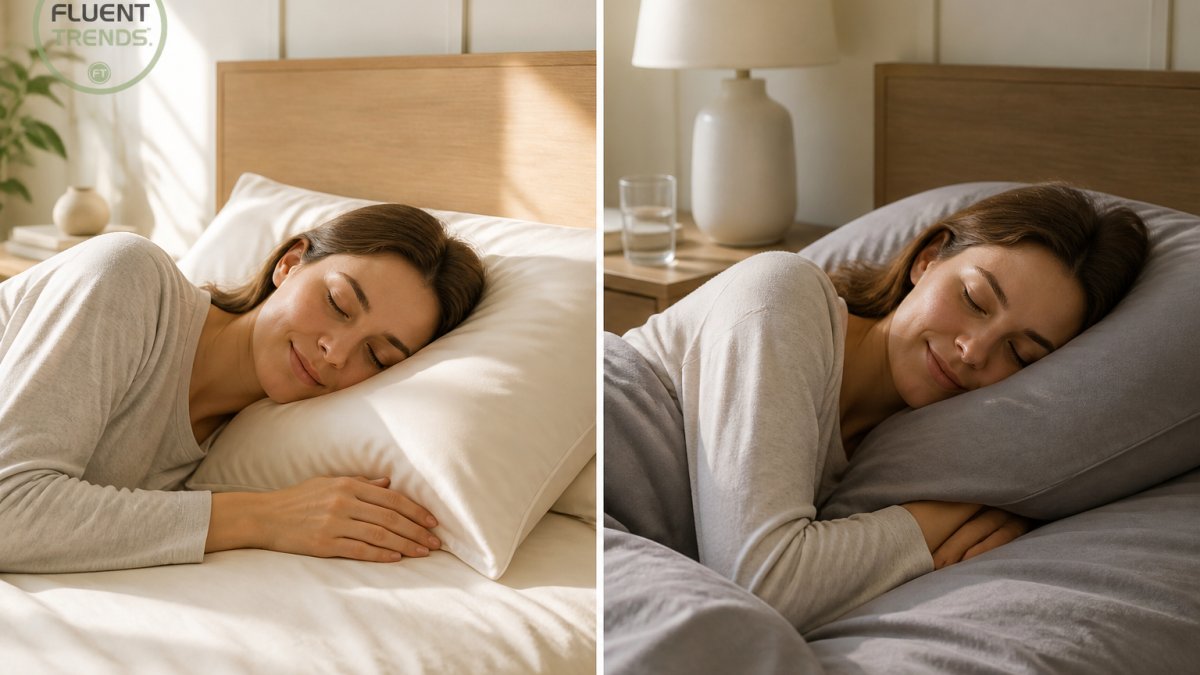
When you compare beyond the surface, casein fiber offers a different balance of moisture, breathability, and durability. It's not the cheapest or the most luxurious. It's the one that works with your skin night after night.
Why Casein Pillowcases Work for Sensitive Skin
Sensitive skin reacts to friction, moisture loss, and chemical residues. Casein addresses all three problems simultaneously. The protein naturally matches your skin's pH, reducing inflammation overnight.
Your skin's natural pH sits between 4.5 and 5.5, slightly acidic. Most fabrics are pH-neutral or alkaline, which disrupts your skin barrier. Casein fiber maintains that acidic environment, so your skin doesn't work against your pillowcase all night.
The moisture-retention property prevents the dryness that triggers sensitivity reactions. Instead of waking up with tight, irritated skin, you experience hydration that supports your skin's recovery process. This is especially valuable if you have eczema, rosacea, or contact dermatitis.
Natural antibacterial properties mean fewer bacteria colonies building up on the pillowcase surface. Your skin encounters a cleaner surface each night, reducing breakouts and irritation. This benefit compounds over weeks and months of consistent use.
The Signature Milk Fibre Pillowcase Set from Fluent Trends specifically targets this need. The blend of milk fiber, organic cotton, and beechwood micromodal creates a hypoallergenic surface. Hand-sewn embroidery adds aesthetic detail without introducing rough seams that irritate skin.

If you've tried silk pillowcases and still experienced sensitivity, casein offers a different mechanism. Silk smooths the surface but doesn't address pH balance or moisture loss. Casein works with your skin's biology rather than just reducing friction.
The Real Benefits: Hair, Skin, and Sleep Quality
Hair benefits from casein pillowcases because the smooth surface reduces friction damage. Traditional cotton pillowcases create drag that breaks hair strands and causes frizz. Casein's protein structure glides against your hair without snagging.
Your hair stays hydrated when your pillowcase retains moisture. This prevents the dryness that leads to breakage and split ends. Morning hair looks smoother and requires less styling effort.
Skin benefits extend beyond sensitivity management. The pH-balanced environment supports your skin's natural repair cycle during sleep. You wake up with less inflammation, fewer breakouts, and a more even complexion.
The moisture retention means your skin doesn't lose hydration to the pillowcase. This is crucial if you use active ingredients like retinol or vitamin C at night. Your skin can focus on repair instead of battling dehydration.
Sleep quality improves when your skin and hair aren't working against your pillowcase. You experience fewer micro-awakenings caused by discomfort or irritation. The gentle, supportive surface promotes deeper, more restorative rest.
The Portugal-woven construction ensures consistent quality across the entire pillowcase. Each piece maintains its structure through the night, preventing the lumping that disrupts sleep. You get the same supportive surface from your first use through years of ownership.
Temperature regulation plays a role too. Casein fiber breathes effectively, preventing the heat buildup that wakes you up. Hot sleepers find relief without sacrificing the moisture benefits that sensitive skin requires.
How to Wash Milk Fiber Pillowcases the Right Way
Machine wash your casein pillowcases in cold water to preserve the fiber structure. Hot water can weaken the protein bonds in milk fiber. Cold water cleans effectively while maintaining the pillowcase's performance characteristics.
Use a gentle detergent without bleach or optical brighteners. These chemicals can damage the casein protein and reduce the hypoallergenic properties. Standard laundry detergent works fine if you're careful with the formula.
Tumble dry on low heat to avoid damaging the delicate fibers. High heat weakens the protein structure and can cause shrinkage. Low heat drying maintains the pillowcase's softness and shape through repeated cycles.
If you prefer air drying, lay the pillowcase flat or hang it away from direct sunlight. Sunlight can fade the colors and potentially weaken the fibers over time. Air drying takes longer but offers the gentlest approach to maintenance.
Warm iron if needed, but avoid high temperatures. The protein in casein fiber can be damaged by excessive heat. A warm iron on low setting works for smoothing wrinkles without compromising the material.
Wash your pillowcases every one to two weeks for optimal hygiene. Casein's antibacterial properties keep the surface cleaner than standard fabrics, but regular washing still matters. Consistent care extends the pillowcase's lifespan significantly.
Don't use fabric softeners or dryer sheets. These products coat the fiber and reduce its moisture-retention abilities. The natural softness of casein means you don't need additional softening agents.
Signature Milk Fibre Pillowcase Set | Portugal Woven Bedding →
Casein fiber is a protein, so it's sensitive to enzymatic detergents. Many "gentle" detergents contain proteases that break down protein stains. Those same enzymes can degrade the milk fiber over time. Check the label for enzyme-free formulas.
Chlorine bleach is a hard no. It attacks the protein structure and yellows the fabric. Oxygen-based brighteners are safer if you need to lift stains. For spot cleaning, use a mild soap and cold water. Rinse thoroughly to avoid residue.
Hard water is another hidden risk. Minerals in hard water can bind to the protein fibers and make them feel stiff. If your water is hard, a water softener or a chelating detergent helps. You'll notice the difference in softness after a few washes.
Lifespan expectations are realistic. With proper care, a quality casein pillowcase set lasts three to five years. The organic cotton and beechwood micromodal blend adds structural strength. You'll see minor softening over time, but no pilling or thinning if you follow the cold-water routine.

Environmental impact matters too. Casein fiber is derived from milk protein, a renewable byproduct of dairy. That makes it biodegradable at end of life. Casein blends with organic cotton reduce that load. OEKO-TEX certification ensures no harmful substances remain in the finished fabric.
Sourcing transparency is part of the story. We research reputable purveyors who can document fiber origin and weaving standards. That matters if you care about how your pillowcase was made.
End-of-life considerations are simple. When the pillowcase finally wears out, cut it into rags or compost it if your local facility accepts protein fibers. Avoid sending it to landfill if possible.
Storage matters between washes. Keep a spare set in a cool, dry place. Avoid plastic bags that trap moisture. Cotton dust bags or breathable storage bins work well. Rotate your sets to extend their life.
If you follow these steps, your casein pillowcase stays soft, hypoallergenic, and supportive for years. The care routine is simple, but the details make the difference.
Durability and Longevity: What to Expect
Casein pillowcases built to last typically maintain their performance for three to five years with proper care.
The blend of milk fiber with organic cotton creates a durable weave that withstands frequent washing. Each wash cycle strengthens rather than weakens the fabric when you follow proper care instructions. This durability justifies the higher initial investment.
Organic cotton in the blend provides structural strength that pure casein fiber alone couldn't achieve. The combination creates a fabric that's soft, breathable, and resilient. You're getting longevity without sacrificing comfort.
The envelope closure design supports durability by keeping the pillowcase properly positioned on your pillow. Loose pillowcases shift and bunch, creating stress on the seams. A secure closure distributes wear evenly across the entire surface.
Hand-sewn embroidery on quality pillowcases adds aesthetic detail without creating weak points. Machine stitching can create stress concentrations that fail prematurely. Hand-sewn seams distribute tension more naturally across the fabric.
Pilling rarely occurs with casein fiber because the protein structure resists the abrasion that creates pilling. Casein maintains a smooth surface through years of ownership.
Color retention depends on the dyes used and your washing practices. Using cold water and avoiding direct sunlight preserves the original color much longer.
The Portugal-woven construction ensures consistent quality throughout the pillowcase's lifespan. Each thread is spun and woven with precision, eliminating weak points. This attention to detail translates directly into longevity.
Sizing, Closure Types, and Finding Your Fit
Standard pillowcases measure 20 by 26.5 inches, fitting most queen-sized pillows. King and California king pillows require larger covers at 20 by 36.5 inches. Measure your pillow before ordering to ensure proper fit.
Envelope closures keep your pillow secure without visible fasteners. The fabric wraps around the pillow, creating a neat appearance. This design prevents the pillow from shifting during sleep.
Flap closures work similarly but with a single overlapping section. Both designs maintain pillow positioning while looking clean and intentional. Choose based on your aesthetic preference.
Zipper closures offer the most secure option but can feel less refined. Zippers can catch on bedding or clothing, creating a less elegant look. Most luxury casein pillowcases use envelope or flap closures instead.
The Signature Milk Fibre Pillowcase Set from Fluent Trends comes in standard and king sizes. The envelope closure keeps your pillow perfectly positioned through the night. This design choice reflects the thoughtful approach to every detail.
Pillowcase sets typically include two pieces, giving you options for rotation and washing. Having a backup pillowcase means you're never without a clean option. This practical approach to bedding investment makes sense for daily use.
Body pillows require specialized pillowcases with different dimensions. Standard casein pillowcases won't fit properly on body pillows. Check the product specifications to ensure you're ordering the correct size for your pillow type.
The fit matters more than most people realize. A loose pillowcase creates friction and movement that defeats the benefits of casein fiber. A properly fitting pillowcase stays smooth against your skin all night.
Price, Value, and Making the Right Choice
The Signature Milk Fibre Pillowcase Set costs $78.00 for a set of two pillowcases. This price reflects the quality of Portugal-woven construction and the casein fiber blend. You're paying for durability that outlasts cheaper alternatives.
Compare this to silk pillowcases, which typically cost $60 to $150 per pillowcase.
Cotton pillowcases start around $20 per set but offer none of the skin or hair benefits.
The Silky Lyocell Pillowcase Set from Fluent Trends costs $64.00 and offers a different approach. TENCEL lyocell provides smoothness and cooling but lacks the pH-balancing properties of casein. Choose based on your primary concern: cooling or skin health. Natural fibers like silk for skin health remain a compelling alternative for those who prioritize gentle contact and moisture retention over the specific protein-based benefits found in casein.
The Premium Bamboo Viscose Pillowcase Set costs $44.00 for those prioritizing budget. Bamboo viscose delivers softness and breathability but doesn't match casein's moisture retention. This option works for sleepers without sensitive skin.
Value extends beyond the initial purchase price. You're making a long-term investment in your sleep quality.
Consider your specific needs when choosing between options. If you have sensitive skin or significant hair damage, casein offers the best return on investment. If you prioritize cooling, lyocell might serve you better. If budget is your primary concern, bamboo viscose works for basic needs.
The Portugal-woven construction and hand-sewn details on quality casein pillowcases justify the mid-range price. You're investing in craftsmanship that supports your skin and hair while lasting years. This approach aligns with intentional living and sustainable choices.
Conclusion
Casein pillowcases represent a thoughtful investment in your nightly recovery and long-term skin health. The milk fiber technology works with your skin's natural pH instead of against it. You're choosing bedding that supports your body's healing process every single night.
The Signature Milk Fibre Pillowcase Set from Fluent Trends brings together Portugal-woven construction, hypoallergenic properties, and moisture-retention benefits in one intentional choice. The blend of casein, organic cotton, and beechwood micromodal creates a surface that performs better over years of use. Your skin and hair will thank you for making this upgrade.
Start with the casein option if you have sensitive skin or struggle with hair damage. Experience the difference that pH-balanced, moisture-retaining bedding makes in your morning appearance and sleep quality. Shop the collection at Fluent Trends and discover how the right pillowcase transforms your nightly rest.
Frequently Asked Questions
What are casein pillowcases actually made from?
Casein pillowcases are made from milk fiber, a natural protein derived from casein found in milk. The fiber is blended with cotton and other materials like micromodal to create a soft, breathable fabric. The blend typically includes organic cotton for durability and beechwood micromodal for smoothness. This combination creates a pillowcase that retains moisture and stays gentle against your skin throughout the night.
How do milk fiber pillowcases compare to silk pillowcase alternatives?
Milk fiber pillowcases offer moisture retention that silk cannot match, making them better for dry or sensitive skin. Silk is smooth and cooling but pulls moisture away from your face. Casein pillowcases stay breathable like silk but work with your skin's pH balance instead of against it. Both reduce friction and are gentle on hair.
Are casein pillowcases suitable for sensitive skin?
Yes. Casein pillowcases are hypoallergenic and naturally antibacterial. The protein structure matches your skin's pH, so the pillowcase works with your skin rather than irritating it. They retain moisture throughout the night, preventing the dryness that triggers sensitivity. No harsh chemical treatments are needed. The gentle, pH-balanced surface supports calm, uninterrupted rest for delicate complexions.
How do you wash and care for milk fiber pillowcases?
Machine wash cold water to preserve the fabric structure and color. Tumble dry on low heat to prevent shrinkage and maintain softness. Warm iron if needed, but avoid high heat. Wash after every 1-2 weeks of use. The blend of cotton, micromodal, and casein stays soft wash after wash when you follow these simple steps. Avoid bleach and fabric softener.