

Ethical Home Decor Certification Explained (2026 Guide)
Yuatinia LeakTable of Contents
- Why Ethical Home Decor Certification Matters Now
- What Is Ethical Home Decor? Beyond the Buzzword
- The Certification Hierarchy: Which Labels Actually Matter
- OEKO-Tex Home Decor Standards: What the Label Really Means
- Durable Furniture Construction Standards: Built to Last vs. Built to Replace
- The Benefits of Organic Cotton Bedding for Your Home and the Planet
- Fair Labor Practices: What to Look For in Every Supply Chain
- Sustainable Sourcing and Eco-Friendly Materials: A Practical Checklist
- How to Verify Artisan Craftsmanship Before You Buy
- Regional Certification Nuances: Why Origin Changes the Rules
- Lifecycle Assessment for Decor: The Metric Competitors Skip
- Common Eco-Labels and What They Actually Mean
- Sustainable vs. Ethical: The Difference That Changes Your Purchase
- Supply Chain Transparency: Reading Between the Lines
- Conclusion: Your Next Step Toward Intentional Living
- Frequently Asked Questions
Last Updated: October 2, 2026
Why Ethical Home Decor Certification Matters Now
Walk into any home store and you will see the same words on every tag. Sustainable. Artisan.
That is the problem this guide solves. Understanding ethical home decor certification explained properly changes how you shop.
At Fluent Trends, we work directly with makers and women-owned workshops.
Here is the core argument: most shoppers trust the wrong labels. The loudest certifications are often the weakest.
What Is Ethical Home Decor? Beyond the Buzzword
Ethical home decor is furniture, bedding, and accessories made without harming the people who produce them or the environment they come from.
That definition sounds simple. Living up to it is not.
A single throw pillow can pass through many steps before it reaches your sofa. Every step is a chance for corners to get cut.
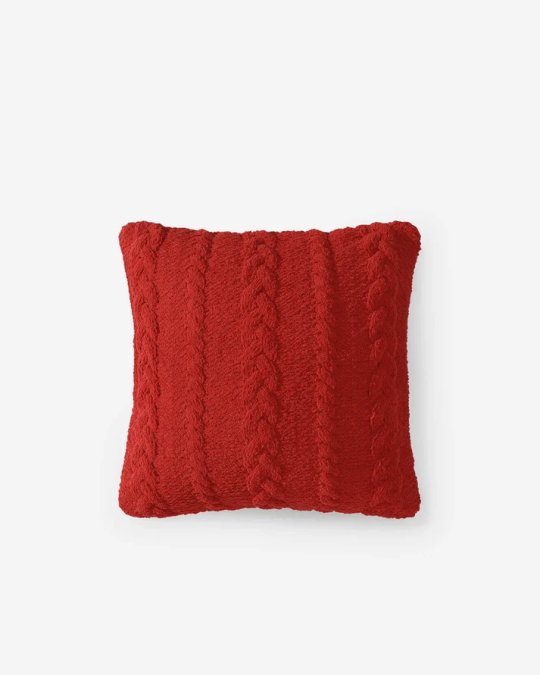
True ethical decor addresses three things at once:
- People: fair wages, safe conditions, no child labor
- Planet: low-waste production, non-toxic dyes, sustainable sourcing
- Process: traceability from raw material to finished piece
Miss any one of those and the label is incomplete. A piece can be organic and still be made in a sweatshop.
This is where conscious consumerism gets hard. You cannot see a supply chain from a showroom floor.
The Certification Hierarchy: Which Labels Actually Matter
Not all certifications carry equal weight. Some require independent audits with real consequences. Others are self-declared badges a brand prints on its own packaging.

Think of certifications in three tiers. Tier 1 requires outside verification and site visits. Tier 2 offers meaningful standards but limited enforcement.
Here is the part most guides skip. A brand can hold a Tier 1 certification for one product line and use it to imply the whole catalog is verified.
Tier 1: Rigorous Third-Party Audits
Tier 1 certifications send independent inspectors into factories and farms. They check records, interview workers, and test materials. Fail an audit and you lose the label.
These are the benchmarks worth trusting:
- OEKO-TEX STANDARD 100: tests finished textiles for harmful substances
- GOTS: governs organic fiber from farm to final product
- Fair Trade Certified: verifies labor conditions and fair compensation
- FSC: confirms wood comes from responsibly managed forests
A third-party audit means the brand does not grade its own homework. That independence is the whole point.
Tier 2: Meaningful but Limited Certifications
Tier 2 labels set real standards but cover less ground. They might address one material, one facility, or one stage of production.
Examples include recycled-content claims verified by a certifying body, or water-use standards applied at a single mill. These are not worthless. They are just narrow.
The mistake is treating a Tier 2 label as proof of an ethical supply chain.
Tier 3: Self-Declared and Marketing Labels
Tier 3 labels require no outside verification at all. A brand writes its own rules and awards itself the badge.
Words like "natural," "green," and "eco-conscious" often fall here. So do in-house "sustainability pledges" with no audit behind them.
This is where greenwashing lives. The Federal Trade Commission's Green Guides set the legal standard for environmental marketing claims. They exist precisely because vague green language misleads buyers.
OEKO-Tex Home Decor Standards: What the Label Really Means
OEKO-TEX home decor standards test finished textiles for substances that can harm human health. The label means an independent institute screened the product for harmful chemicals. It is one of the most recognized textile certifications in the world. Extending this rigorous approach to personal adornment ensures that the materials resting against your skin meet similar safety benchmarks, much like the criteria found within ethical jewelry certifications.
Two versions matter most for home goods. Knowing the difference helps you read a tag correctly.
STANDARD 100 vs. MADE IN GREEN
STANDARD 100 focuses on the product itself. It tests for harmful substances like formaldehyde, heavy metals, and certain dyes.
MADE IN GREEN goes further. It combines product safety with verified production conditions. That means safe materials plus responsible manufacturing, traceable to a specific facility.
So STANDARD 100 tells you the fabric is safe to touch. MADE IN GREEN tells you it was also made responsibly.
This matters for bedding especially. You spend eight hours a night against these fabrics. A hypoallergenic, OEKO-TEX certified comforter reduces exposure to irritants.

Durable Furniture Construction Standards: Built to Last vs. Built to Replace
Durability is an ethical issue, not just a quality one.
So what separates furniture built to last from furniture built to replace?
Start with the frame. Solid hardwood joined with proper techniques outlasts particleboard held together with staples. Look at the joinery. Dovetail and mortise-and-tenon joints signal real construction.
Then check the materials. Boucle furniture and bone inlay furniture earn their longevity through dense, well-made bases underneath the surface fabric.
A few things to inspect in person or in detailed photos:
- Frame material and joinery method
- Weight and stability when you press on it
- Hardware quality on drawers and doors
- Whether replacement parts are available
Furniture designed for daily use should handle daily use. That means real weight, real joints, and materials chosen for wear rather than for a catalog photo.
The Benefits of Organic Cotton Bedding for Your Home and the Planet
Organic cotton bedding skips the synthetic pesticides and fertilizers used in conventional cotton farming. That single change affects your skin, your sleep, and the soil where the fiber grows.
For your home, the benefits show up fast. Organic cotton feels softer against sensitive skin.
For the planet, the math is straightforward. Organic farming builds healthier soil, uses less water, and avoids chemical runoff.
Pair organic cotton with other responsible materials and the impact compounds.
Wool, jute, and linen round out the picture. Each brings its own durability and low-waste production story.
Fair Labor Practices: What to Look For in Every Supply Chain
Fair labor practices mean workers earn a living wage, work in safe conditions, and keep the right to organize.
Start with what the brand discloses. Do they name their factories? Do they publish audit results? Transparency is the first signal.
Then look for specific commitments:
- A published living wage policy, not just "fair wages"
- Named third-party audits with dates
- Worker grievance mechanisms
- Long-term relationships with makers
Social compliance programs verify these conditions on the ground. Without them, "handmade with love" is a story, not a standard.
The U.S. Department of Labor's child labor and forced labor reports track risk by country and product. If a brand sources from a high-risk region, ask harder questions about their verified labor practices.
Sustainable Sourcing and Eco-Friendly Materials: A Practical Checklist
Sustainable sourcing means materials come from places that can keep producing without depleting the land or the people working it.
Use this checklist before you buy:
- Does the material have a recognized certification?
- Is the fiber renewable or recycled?
- Are dyes non-toxic and low-impact?
- Is the wood FSC-certified or reclaimed?
- Does the brand disclose where materials originate?
- Are finishes low-VOC and safe indoors?
Natural fibers like organic cotton, wool, jute, and linen tend to score well. They biodegrade, require less processing, and support traditional low-waste techniques.
Sustainably sourced does not automatically mean ethical, though. A material can be grown responsibly and still be harvested by underpaid workers.
How to Verify Artisan Craftsmanship Before You Buy
Artisan craftsmanship leaves evidence. Machine-perfect repetition is a warning sign. Human hands produce small variations that no factory can fake convincingly.
But here is what most guides skip. You need to know which techniques leave which marks. And you need to know how to ask questions that separate a real artisan story from a marketing script.
Let me show you what to look for on specific types of decor.
Bone Inlay Furniture: The Gaps Tell the Story
Bone inlay furniture is assembled piece by piece by hand.
Here is how to verify it. Look at the gaps between inlays.
Run your finger across the surface. A real bone inlay piece feels smooth but not glassy. You can feel the slight texture of individual pieces.
Ask about the base material. Traditional bone inlay uses wood or MDF as a base.
Boucle Furniture: Texture That Cannot Be Faked
Boucle furniture has a nubby, looped texture that comes from the yarn structure.
Look at the loops up close. On a quality piece, the loops are tight and consistent in size.
Check the backing. Real boucle has a woven backing that holds the loops in place.
Sit on it. Boucle furniture designed for daily use has a dense foam or spring core underneath.
Portugal-Woven Bedding: The Weave Tells You Everything
Portugal has a long history of textile weaving. Mills there use tight, durable weaves that hold up wash after wash.
Look at the weave density.
Snug Waffle Comforter Bundle →
Check the seams. Artisan-made bedding has seams that are straight and reinforced. The stitching is even.
Feel the fabric. Organic cotton bedding from a quality mill feels soft but substantial. It has weight.
Ask about the thread count. Higher is not always better.
The Questions That Separate Real Artisans from Marketing Scripts
Here is what to ask before you buy. Who made this piece?
A real artisan brand can answer these questions without hesitation. They know their makers by name.
A marketing script gives you vague answers. "Our artisans" without names. "Traditional techniques" without specifics.
Ask about the certification. Many artisan cooperatives hold Fair Trade Certified or similar labels.
Ask about the materials.
Why This Matters for Your Purchase
When you buy a piece with verified artisan craftsmanship, you are not just buying decor.
And you are getting a better product. Artisan-made furniture and bedding are built to last.
That is the quiet sustainability feature that no label captures. Durability is the most ethical thing a product can offer.
So ask the questions. Look for the evidence. And trust the pieces that show their work.
Regional Certification Nuances: Why Origin Changes the Rules
The same certification can mean different things depending on where a product is made. Regional rules, enforcement, and labor law all shift the ground.
A textile certified in one country may be held to stricter chemical limits than the identical product certified elsewhere. Enforcement budgets differ.
This is why origin matters.
Ask two questions for any imported piece:
- Which country and facility produced it?
- Which certification body audited that specific facility?
If the brand cannot answer both, the certification is doing less work than you think.
Lifecycle Assessment for Decor: The Metric Competitors Skip
Most certification guides stop at the label. They never ask what happens after the product reaches your home.
A lifecycle assessment measures environmental impact from raw material extraction through production, shipping, use, and eventual disposal. It is the full picture.
For decor, the biggest impacts often hide in three places:
- Shipping: long-distance transport adds carbon footprint
- Durability: short-lived products get replaced, multiplying impact
- End of life: pieces that cannot be repaired or recycled become waste
This is the circular economy argument in practice.
Durability is the quietest sustainability feature a product can have. It rarely appears on a badge, but it does more work than most labels.
Common Eco-Labels and What They Actually Mean
Most guides hand you a list of eco-labels and call it a day. That list does not tell you which labels actually protect you.
Here is the part that changes how you shop. You need to know three things about any label. Who verifies it. What it covers.
Let me walk you through the labels you will actually see on home decor, ranked by how much weight they carry.
The Labels That Send Inspectors Into Factories
These certifications require independent audits.
OEKO-TEX STANDARD 100 tests finished textiles for harmful substances. Think formaldehyde, heavy metals, and certain dyes.
GOTS governs organic fiber from farm to final product. It covers pesticides, dyes, wastewater, and labor conditions.
Fair Trade Certified verifies labor conditions and fair compensation. It sends auditors to check wages, hours, and safety.
FSC confirms wood comes from responsibly managed forests.
The Labels That Cover One Piece of the Puzzle
These certifications set real standards but address a narrow slice of the supply chain. They are not worthless.
GRS (Global Recycled Standard) verifies recycled content in textiles.
RWS (Responsible Wool Standard) addresses animal welfare and land management on wool farms.
Cradle to Cradle Certified evaluates products across five categories: material health, material reuse, renewable energy, water stewardship, and social fairness.
The Labels That Mean Nothing
These require no outside verification. A brand writes its own rules and awards itself the badge.
Words like "natural," "green," "eco-conscious," and "sustainable" often fall here. So do in-house "sustainability pledges" with no audit behind them. A brand can print "eco-friendly" on a tag without proving anything.
The Federal Trade Commission's Green Guides set the legal standard for environmental marketing claims. They exist because vague green language misleads buyers. If a brand uses a term the Green Guides flag as deceptive, that is a red flag.
How to Read a Label in Ten Seconds
Here is the quick test. Look for the name of the certifying body.
Then check the scope. Does the label cover the whole product or just one material?
Finally, check the certificate number. Most legitimate certifications issue a unique number you can look up in an online database.
This is the difference between a certification and a sticker. One has a paper trail.
Sustainable vs. Ethical: The Difference That Changes Your Purchase
Sustainable and ethical are not synonyms, and treating them as one leads to bad buys.
Sustainable describes environmental impact. It asks whether a product can continue without depleting resources.
A bamboo utensil set can be sustainable and made in a facility with unsafe conditions.
The strongest purchases satisfy both. They protect the planet and the people making the product.
When you evaluate a piece, run two separate checks. Environmental stewardship on one side.
Supply Chain Transparency: Reading Between the Lines
Supply chain transparency is the practice of disclosing where products come from and how they are made. It is the foundation every other claim rests on.
A transparent brand tells you the factory name, the country, and the audit history. An opaque brand tells you a story about heritage and craft with no names attached.
Red flags to watch for:
- Vague origin claims like "imported" with no country
- No factory or workshop information anywhere
- Sustainability pages with no specific certifications
- No way to contact anyone about sourcing questions
Transparency is uncomfortable for brands with something to hide. That discomfort is exactly why it is a useful test.
For a deeper look at what responsible production looks like in practice, the OECD due diligence guidance for responsible supply chains outlines how companies should identify and address risks.
Conclusion: Your Next Step Toward Intentional Living
The labels are confusing on purpose. Tier 1 audits, self-declared badges, and everything between sit side by side on the same shelf. Now you know how to tell them apart.
Start with one purchase. Check the certification, ask about origin, and confirm the maker. That single habit changes how you furnish your home.
At Fluent Trends, we built our collection around this exact standard. Our pieces are OEKO-TEX certified, made with organic cotton and hypoallergenic materials, and sourced from women-owned workshops and global artisans. Our durable furniture collection is designed for daily use and built to last.
Shop Now and bring home a piece that earns its place.
Frequently Asked Questions
What does OEKO-TEX certification actually mean for home textiles?
OEKO-TEX STANDARD 100 means every component of a textile, including threads and buttons, has been tested for harmful substances. The testing limits are based on current scientific standards and updated annually. For bedding and throws, this certification confirms the fabric is safe for skin contact. It does not cover labor practices or environmental impact during production, so pair it with other verifications for a full picture of ethical home decor.
How can I tell if furniture is truly sustainably sourced?
Start by asking for chain-of-custody documentation. FSC certification is the strongest signal for wood. For upholstered pieces, look for frames made from kiln-dried hardwood rather than particleboard. Ask whether finishes are low-VOC or water-based. Brands that publish supplier lists and factory locations make verification easier. If a company cannot name where its wood comes from, treat the sustainability claim as unverified until you see paperwork.
Why is third-party certification important for ethical home goods?
A third-party audit means an independent organization, not the brand itself, checked the supply chain against a published standard. This matters because self-declared claims are unverifiable. Certifications like Fair Trade Certified, GOTS, and FSC each cover different parts of the chain. No single label covers everything, so the strongest ethical home decor brands stack multiple certifications to cover materials, labor, and environmental impact.
What is the difference between organic cotton and conventional cotton?
Organic cotton is grown without synthetic pesticides or fertilizers and must be certified through a third-party standard like GOTS. Conventional cotton uses roughly 16 percent of the world's insecticides despite covering about 2.4 percent of farmland. For bedding, organic cotton reduces chemical exposure against your skin. The benefits of organic cotton bedding extend beyond personal health: organic farming uses less water and builds healthier soil over time.
Are there specific certifications for artisan-made home decor?
There is no single certification for artisan craftsmanship. Instead, look for Fair Trade Certified or Fair for Life labels, which verify fair wages and safe working conditions. Some brands use cooperative memberships or artisan guild verification. World Fair Trade Organization membership is another signal. Because handcrafted pieces vary, the best verification combines a labor certification with transparent information about where and by whom the piece was made.
How do I verify if a brand is actually ethical?
Check three things: certifications, supply chain disclosure, and consistency. Look for third-party audit logos that link to a searchable database. Read the brand's impact report and see if it names specific factories or cooperatives. Then check whether the claims have stayed consistent over time. A brand that publishes annual updates and third-party verification is more credible than one with a single vague sustainability page.