

How to Spot Greenwashing in Decor
Yuatinia LeakTable of Contents
- What Greenwashing Means in Home Decor
- Red Flags: Vague Language and Misleading Claims
- Examples of Greenwashing in Furniture
- Sustainable Home Decor Certifications That Matter
- How to Verify Eco-Friendly Furniture Claims
- The Green Premium Trap
- Building Your Decor with Integrity
- Frequently Asked Questions
Last Updated: August 27, 2026
Greenwashing in home decor is becoming harder to spot. Brands use vague terminology, misleading imagery, and unverified claims to appear eco-conscious. Understanding these tactics helps you make intentional purchases aligned with your values.
This guide from Fluent Trends breaks down how to identify greenwashing in furniture and decor. We'll show you which certifications matter, what red flags to watch for, and how to verify sustainability claims before investing.
What Greenwashing Means in Home Decor
Greenwashing occurs when brands misrepresent environmental credentials through vague language, misleading claims, or selective transparency. A furniture company might use green imagery and eco-friendly messaging while hiding unsustainable production methods in their supply chain.
When you're investing in high-quality, intentional pieces for your home, you're choosing based on values. Greenwashing exploits that trust. It makes you feel good about a purchase that may not actually reduce environmental impact.
Real sustainability requires transparency across the entire product lifecycle. That means disclosing material composition, manufacturing location, labor practices, and end-of-life disposal options. Most greenwashing attempts skip these details entirely.
Authentic sustainability claims answer specific questions directly. Where do materials come from? Can you trace the supply chain? Do they share third-party certifications? Greenwashing avoids these answers.
Red Flags: Vague Language and Misleading Claims
Vague terminology is the most common greenwashing tactic in home decor. Terms like "eco-friendly," "natural," "sustainable," and "green" lack legal definition. Any brand can use them without verification.
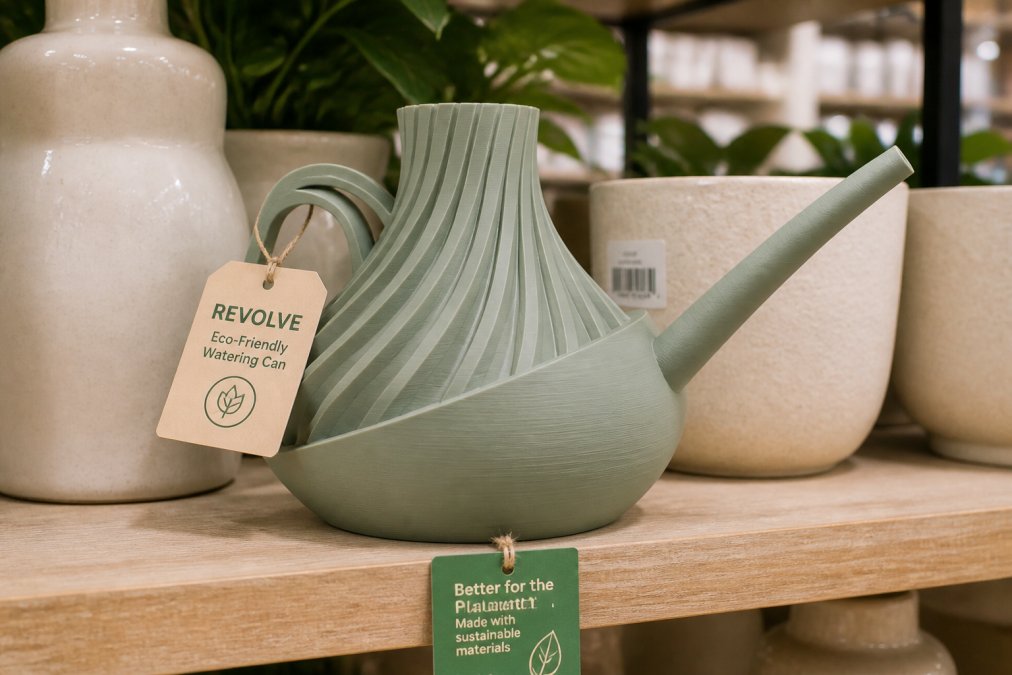
Watch for these specific red flags when evaluating decor pieces:
Language-Based Red Flags
- "All-natural" without material specifics. Natural materials can still involve harmful processing or unsustainable harvesting. Ask which materials and which certifications verify this claim.
- Green imagery without substance. Leaf logos and nature photography create an eco-conscious impression. They don't prove sustainable practices exist.
- Vague supply chain claims. "Ethically sourced" or "responsibly made" sound good. They're meaningless without third-party verification or specific sourcing details.
- Hidden trade-offs. A brand highlights one green attribute while ignoring others. This selective transparency is classic greenwashing.
- Irrelevant claims. Claiming "non-toxic" paint when that's already required by law adds no real value.
- No certifications listed. Legitimate sustainable brands prominently display third-party certifications. Their absence suggests claims lack independent verification.
Material-Specific Red Flags
Wooden Furniture and Decor: Watch for "sustainably harvested" without FSC certification. Tropical hardwoods labeled "reclaimed" should come with documentation proving origin. Ask for specific wood species and finishing product names.
Textiles and Throws: "Organic" claims should specify which fibers are organic. Organic fiber alone doesn't guarantee sustainable dyes or finishing processes. Brands should disclose water usage and chemical treatments applied after fiber production.
Rattan and Woven Decor: "Sustainably harvested rattan" without certification is unverifiable. Legitimate brands provide supplier names and harvesting region details. Synthetic rattan labeled "eco-friendly" should specify the polymer type and recyclability.
Reclaimed and Vintage Pieces: "Reclaimed" without provenance documentation is marketing language. Authentic reclaimed wood comes with sourcing history. Ask what restoration chemicals were applied during refinishing.
The Price-Perception Trap
Premium pricing paired with vague claims is a deliberate greenwashing strategy. Consumers associate higher cost with higher ethics. A throw pillow priced significantly above conventional alternatives should justify that premium with specific certifications and transparent sourcing. If the brand's explanation relies on emotional language rather than concrete practices, the premium reflects marketing rather than actual sustainability investment.
Examples of Greenwashing in Furniture
Understanding real-world examples helps you spot these tactics in your own shopping. A furniture brand claims "sustainable wood" without specifying certification. They might source from any forest, including those cleared of biodiversity. Certified sustainable wood comes from operations verified by the Forest Stewardship Council (FSC) (fsc.org).
Another pattern involves textile greenwashing. A throw pillow labeled "eco-friendly fabric" might use organic cotton but synthetic dyes and finishes. The brand highlights the organic cotton while downplaying the chemical processing. This selective transparency misleads consumers about actual environmental impact.
Packaging greenwashing is equally deceptive. Brands use recycled cardboard boxes and tout their "commitment to sustainability" while shipping products globally, generating significant carbon emissions. The packaging choice doesn't offset the environmental cost of long-distance logistics.
Labor practices represent another area where greenwashing thrives. A brand might claim "handcrafted by artisans" without disclosing wages or working conditions. Authentic artisan brands share specific information about who made the piece and how they were compensated.
The most insidious greenwashing involves false certifications. Some brands create their own eco-labels that sound official but carry no third-party verification. A "certified eco-friendly" label designed by the brand itself is meaningless.
Sustainable Home Decor Certifications That Matter
Third-party certifications provide accountability that self-made claims cannot. When evaluating decor, look for these verified standards.
Forest Stewardship Council (FSC) Certification verifies that wood comes from responsibly managed forests. FSC-certified wood products meet strict environmental and social standards. For wooden furniture and decor, FSC certification is the gold standard.
Global Organic Textile Standard (GOTS) certifies organic fibers and tracks them through the entire supply chain. GOTS-certified textiles use organic materials without synthetic pesticides and require fair labor practices. verifying sustainability claims.
Cradle to Cradle (C2C) Certification assesses products across material health, material reutilization, renewable energy, water stewardship, and social fairness. C2C certification requires companies to design products for either biological or technical cycles, minimizing waste.
Fair Trade Certification verifies that producers receive fair wages and work in safe conditions. For artisan-made decor, Fair Trade certification confirms ethical production practices.

Bluesign® System certifies textiles and ensures responsible chemical management throughout manufacturing. Bluesign-certified fabrics use fewer harmful chemicals and reduce environmental impact during production.
OEKO-TEX® Standard 100 certifies that textiles are free from harmful substances. OEKO-TEX tests for over 350 regulated and unregulated chemicals.
These certifications require independent audits and ongoing compliance. Authentic sustainable decor companies feature these certifications prominently in product descriptions.
How to Verify Eco-Friendly Furniture Claims
Verification requires active research on your part. Don't rely solely on brand messaging. Instead, dig into the details that prove sustainability claims.

Direct Brand Inquiry
Start by requesting specific information directly from the brand. Ask these questions:
- Where are materials sourced, and from which suppliers?
- Which certifications verify the sustainability claims?
- How are workers compensated, and what are working conditions?
- What is the product's full lifecycle, including end-of-life disposal?
- Can they provide documentation supporting environmental claims?
Authentic brands answer these questions with specifics. They provide supplier names, certification numbers, and detailed documentation. If a brand deflects or offers vague responses, that's a red flag.
Material-Specific Verification Steps
For Wood and Wooden Decor: Request the FSC certificate number and verify it at fsc.org. Ask for the specific wood species and country of origin. Request the finishing product name and safety data sheet.
For Textiles, Throws, and Upholstery: Request the GOTS certificate number and verify it at gots.org. For organic cotton claims, ask what percentage of the fiber is certified organic. Request information about dyes and finishing chemicals used.
For Rattan and Woven Materials: Ask for the harvesting region and supplier name. Rattan grows in Southeast Asia, primarily Indonesia, Malaysia, and Vietnam. Request information about processing chemicals and drying methods.
For Reclaimed and Vintage Pieces: Request documentation of the piece's origin and previous use. Ask what restoration or refinishing processes were applied.
Third-Party Certification Verification
Check for third-party certifications independently. Visit the certifying organization's website and verify that the brand holds current certification. Key registries to check:
- FSC (Forest Stewardship Council): fsc.org/en/certificate-search
- GOTS (Global Organic Textile Standard): gots.org/certified-facilities
- Fair Trade: fairtradeusa.org/find-products
- Cradle to Cradle: c2ccertified.org/products
Supply Chain Transparency Research
Research the brand's transparency practices. Do they publish sustainability reports? Can you access their supply chain information? Do they disclose environmental impact metrics? Legitimate sustainable brands operate with transparency as a core value.
Look for independent reviews and industry recognition. Organizations that evaluate sustainability practices often publish findings. Check whether the brand has been recognized by reputable sustainability organizations.
Physical Inspection and Quality Assessment
Examine the material composition closely. Request samples if possible. Quality materials often reveal themselves through touch and durability. Handcrafted items from authentic artisans show evidence of careful construction.
For textiles, feel the weight and weave density. Organic cotton should feel substantial. For wood, inspect the grain and finish consistency. For rattan, check the weave tightness and flexibility.
The Documentation Trail
Authentic sustainable brands provide documentation at every step. Collect certificates, sourcing information, and impact metrics. Request these materials in writing. Brands committed to sustainability welcome this scrutiny because their practices withstand it.
The Green Premium Trap
The green premium trap occurs when consumers pay significantly more for products with minimal actual environmental benefit. A throw blanket labeled "eco-friendly" might cost substantially more than a conventional alternative. The difference might be organic cotton sourcing. But if the dyes are synthetic and shipping generates substantial carbon emissions, that premium doesn't reflect proportional environmental benefit.
To avoid this trap, evaluate the actual environmental benefit relative to the price increase. Does the certification justify the cost? Are multiple sustainability factors addressed, or just one? Does the brand's transparency support the premium, or does marketing create it?
Compare similar products from brands with verified certifications. This reveals which premiums reflect real sustainability investments versus marketing markup. Authentic sustainable brands often explain exactly why their pricing exceeds conventional alternatives.
Remember that higher price alone doesn't guarantee authenticity. Greenwashing brands often charge premium prices specifically because consumers associate cost with ethics.
Building Your Decor with Integrity
Creating a home that reflects your values requires intentional purchasing decisions. Each piece you bring into your space should withstand scrutiny on sustainability, ethics, and quality.
Start by defining what sustainability means to you personally. Does it prioritize material sourcing? Labor practices? Longevity and durability? Carbon footprint? Clarity about your own priorities helps you evaluate claims accurately.
Invest in fewer, higher-quality pieces rather than accumulating items. Durable, well-made decor lasts decades. That longevity matters more environmentally than any single material choice.
Build relationships with brands you trust. Once you've verified a company's practices, repeat purchases become easier. You know what to expect. You understand their standards.
Seek out artisan-made pieces with transparent sourcing. Handcrafted decor from verified makers carries inherent sustainability benefits. Traditional production methods typically use less energy and generate less waste than industrial manufacturing.
Documentation matters. Brands committed to sustainability provide certificates, sourcing information, and impact metrics. Collect these materials. They prove your purchasing choices reflect genuine environmental consideration.
Consider the full lifecycle when evaluating pieces. Can the item be repaired if damaged? Are materials biodegradable or recyclable? Does the brand offer take-back programs? These practical details separate authentic sustainability from greenwashing rhetoric.
At Fluent Trends, every piece in our Artisan Collection undergoes rigorous verification. We work directly with makers and require transparency about materials, labor practices, and production methods. Our handcrafted textiles like the Ink Black White Ombre Textured Throw feature hand-spun merino and hand-stitched details. These pieces reflect genuine craftsmanship and ethical production. Our Sustainable Kayseri Tablecloth Set combines Mediterranean style with verified sustainable practices. When you purchase from Fluent Trends, you're investing in pieces that genuinely support artisans and minimize environmental impact.


Spotting greenwashing requires skepticism and research, but it becomes easier with practice. The most reliable approach is demanding transparency from brands. Request certifications. Ask specific questions. Verify claims independently. Authentic sustainable decor companies welcome this scrutiny because their practices withstand it. Greenwashing brands deflect and avoid specifics. That distinction guides your purchasing decisions. Choose brands that prove their commitments through verifiable certifications, transparent supply chains, and fair labor practices. Your home deserves decor that reflects both your aesthetic values and your ethical ones.
Frequently Asked Questions
What are the most common signs of greenwashing in home decor?
Greenwashing in furniture appears as vague terms like 'eco-friendly' or 'natural' without specifics, overuse of green imagery on packaging that contradicts actual materials, and missing third-party certifications. Look for brands that claim sustainability but provide no supply chain transparency. Hidden trade-offs appear when one material is sustainable but others are not. Missing certifications from recognized bodies like FSC or GOTS signals greenwashing. Irrelevant claims, such as 'CFC-free' when CFCs are already banned, create false credibility.
How can I verify a brand's sustainability claims about furniture?
Request detailed material composition and manufacturing location information directly from the brand. Check for third-party certifications like FSC for wood, GOTS for organic textiles, or Cradle to Cradle for overall sustainability. Visit the brand's website for supply chain transparency and maker profiles. Look for specific commitments like fair wages or waste reduction practices. Authentic brands publish environmental impact reports and share artisan stories. Fluent Trends, for example, provides full transparency on makers and materials for every piece in our collection.
What sustainable home decor certifications should I trust?
Credible certifications include Forest Stewardship Council (FSC) for responsibly harvested wood, Global Organic Textile Standard (GOTS) for organic fibers, Cradle to Cradle for circular design, Fair Trade Certified for ethical labor, and Greenguard for low chemical emissions. These require independent audits and ongoing compliance. Avoid generic labels created by the brand itself or unverified claims. Certifications from established nonprofits carry more weight than marketing labels. Verify certification status on the issuing organization's website rather than trusting brand claims alone.
How does greenwashing impact luxury furniture purchases?
Greenwashing in luxury decor is particularly deceptive because high prices suggest quality and ethics. Affluent buyers often assume premium cost reflects sustainable practices, but greenwashing brands exploit this assumption. False sustainability claims justify elevated pricing without delivering environmental or social benefit. True luxury combines craftsmanship with verified ethical sourcing and transparent production. Discerning shoppers should demand certifications and maker stories, not just aesthetic appeal and price point. Intentional purchasing means verifying that every dollar supports genuine artisan practices and environmental responsibility.
This article was written using GrandRanker