

Transform Your Space: The Latest Trends in Furniture Design for 2026
Yuatinia LeakThe newest shifts in furniture design aren’t about quick trends — they reflect a deeper transformation in how we want to live. Today’s homes prioritize sustainability, modular adaptability, and richly tactile materials. We’re collectively craving spaces that feel personal, restorative, and intentionally crafted. Beauty still matters, but now it must coexist with flexibility, comfort, and a gentler impact on the planet.
The Future of Home Living Is Here
Think about how dramatically your home has evolved in recent years. It’s no longer just a place to unwind — it’s your office, your gym, your creative studio, your gathering space. This shift has reshaped furniture design at its core, inspiring pieces that adapt effortlessly to the many roles your home now plays. The guiding principle is simple: your space should support your life, not restrict it.
As smart‑home design continues to evolve, the focus is shifting toward everyday comfort, simplicity, and intuitive living — not complicated tech. A smart home is essentially a connected environment that handles small tasks for you, making your routines smoother and your space more responsive. According to insights from CEDIA, the global association for smart‑home professionals, today’s smart‑home systems are designed to enhance convenience, security, and energy efficiency in ways that feel natural and approachable for everyday homeowners. This lifestyle‑driven approach offers a glimpse into where modern home design is headed: spaces that are not only beautiful, but also intelligently supportive of how you live.
Core Principles Shaping Modern Furniture
Today’s most influential design trends aren’t emerging in isolation. They’re interconnected responses to the way we live now — guiding both designers and homeowners toward creating spaces that feel intentional, adaptable, and deeply personal.Sustainability as a Standard: Being eco-friendly is no longer a niche bonus; it's a baseline expectation. This means a focus on recycled materials, woods from responsibly managed forests, and non-toxic finishes that create a healthier home and a healthier planet.
-
Sustainability as a Standard
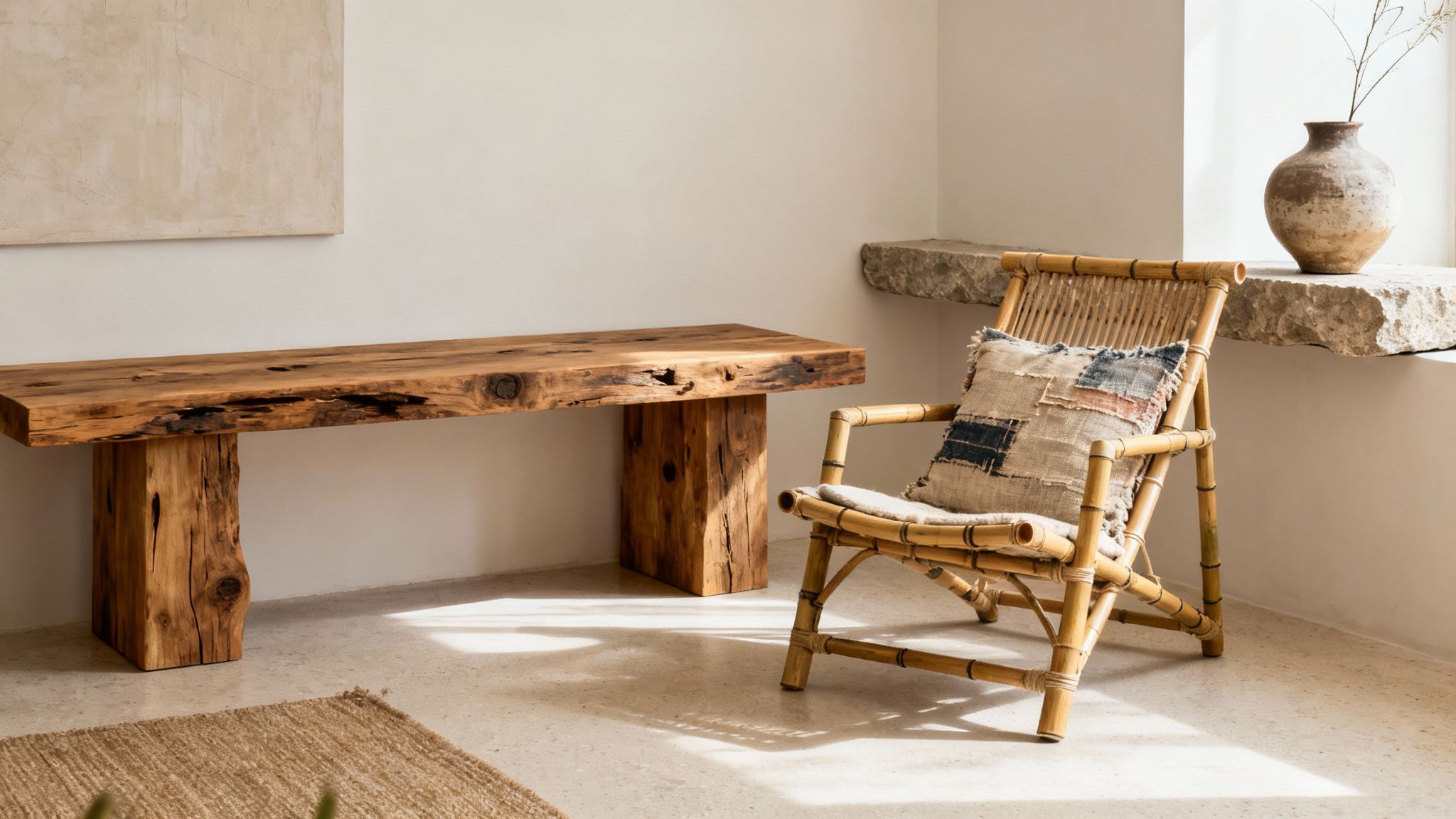
Eco‑conscious design has shifted from a niche preference to a universal expectation. Homeowners are prioritizing materials that support both personal well‑being and environmental responsibility — from recycled textiles and reclaimed woods to responsibly sourced lumber and low‑VOC finishes. These choices create healthier homes while contributing to a healthier planet, proving that sustainability and style can coexist beautifully.
Modularity and Adaptability
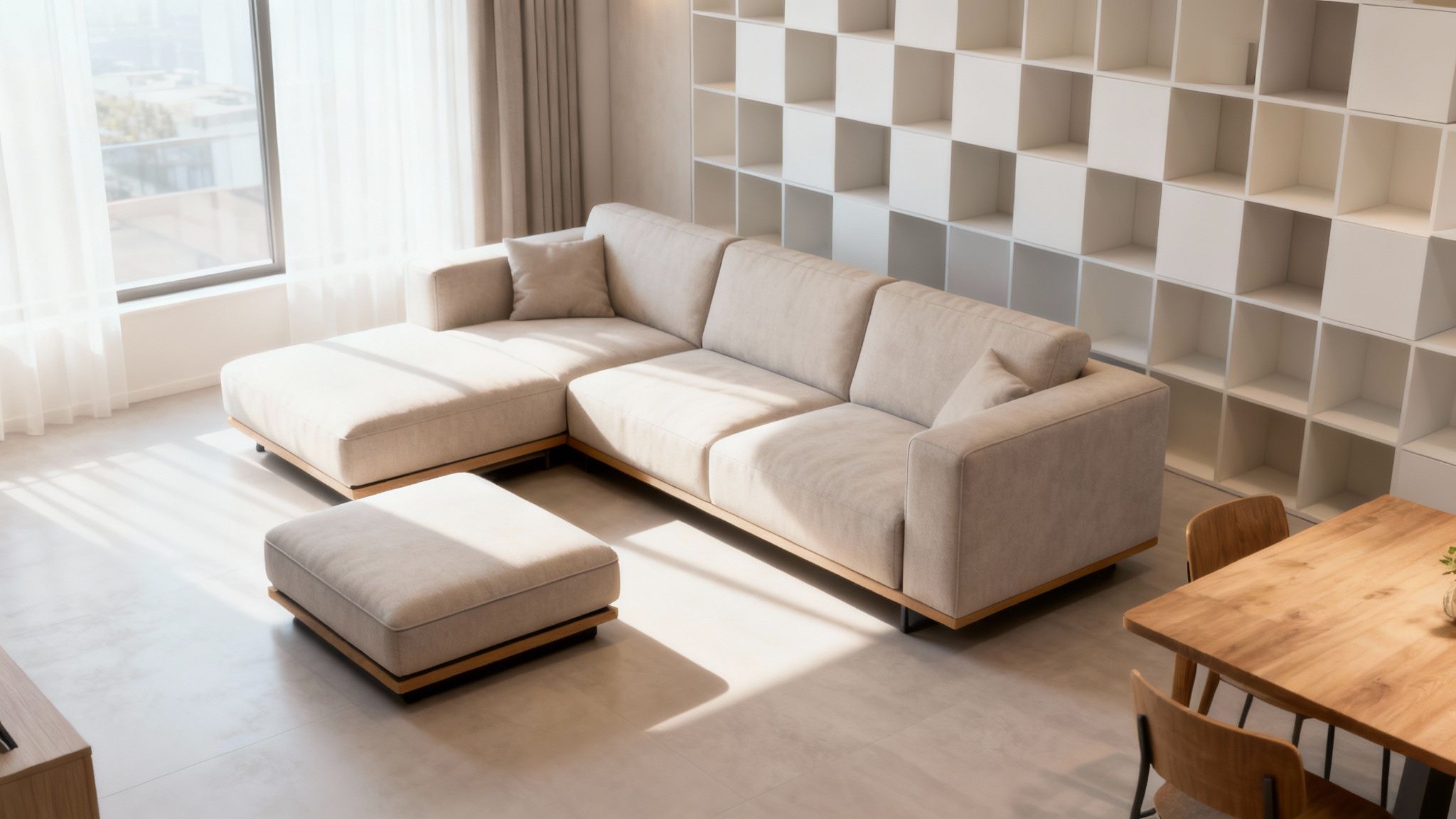
Modern furniture is being designed with flexibility at its core. Think sectional sofas that can be rearranged as your needs evolve, shelving systems that expand with your collections, and multifunctional tables that transition seamlessly between work, dining, and gathering. This modular approach empowers homeowners to make the most of their space — and their investment — without sacrificing aesthetics.
Sensory Engagement
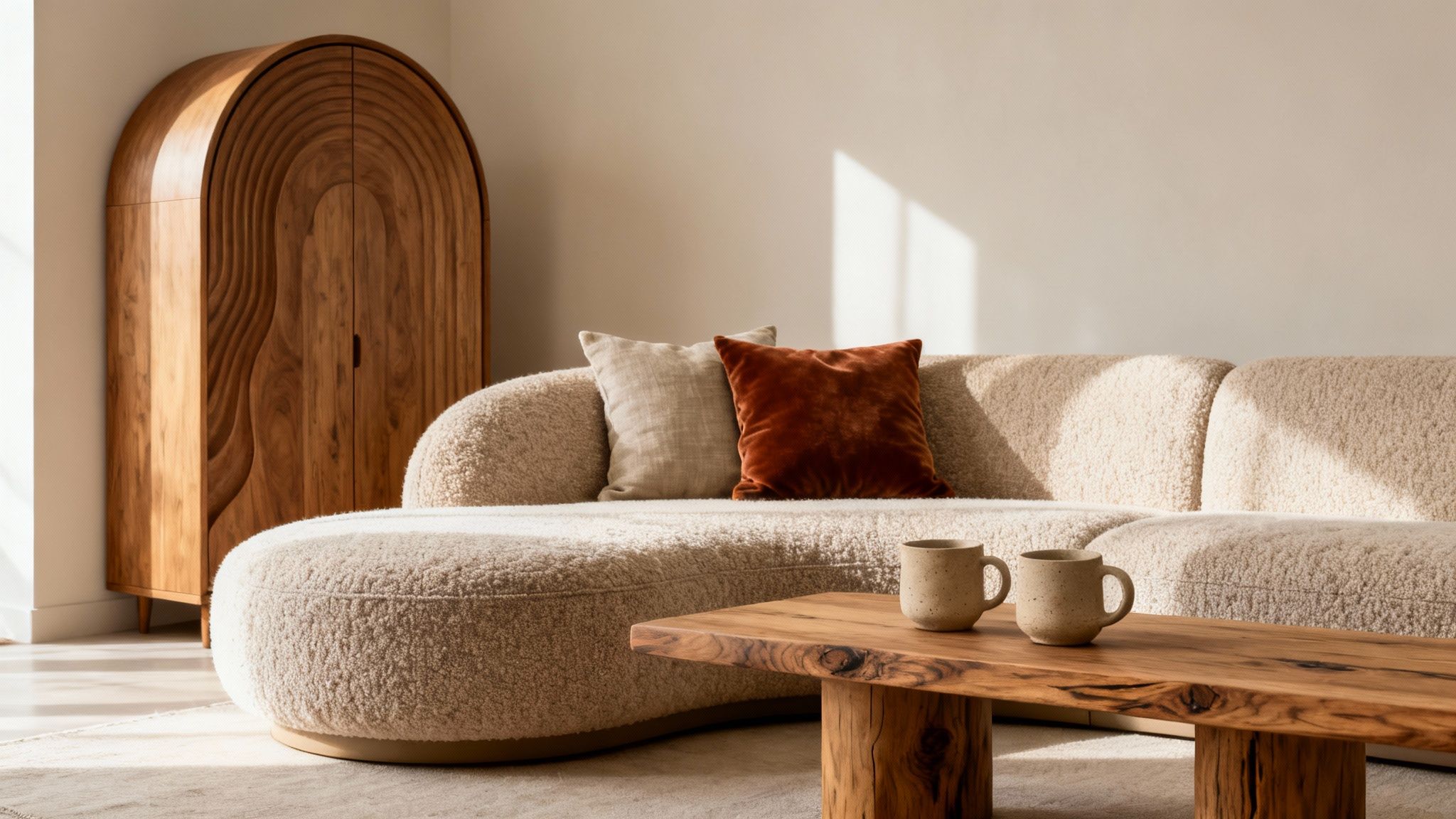
Design is moving beyond visual appeal to embrace the full sensory experience of a home. Texture is taking center stage, with cozy bouclé, plush velvets, raw ceramics, and natural fibers creating layered, tactile environments that invite touch and connection. These materials add warmth, depth, and emotional resonance, transforming rooms into spaces that feel lived‑in and deeply comforting.
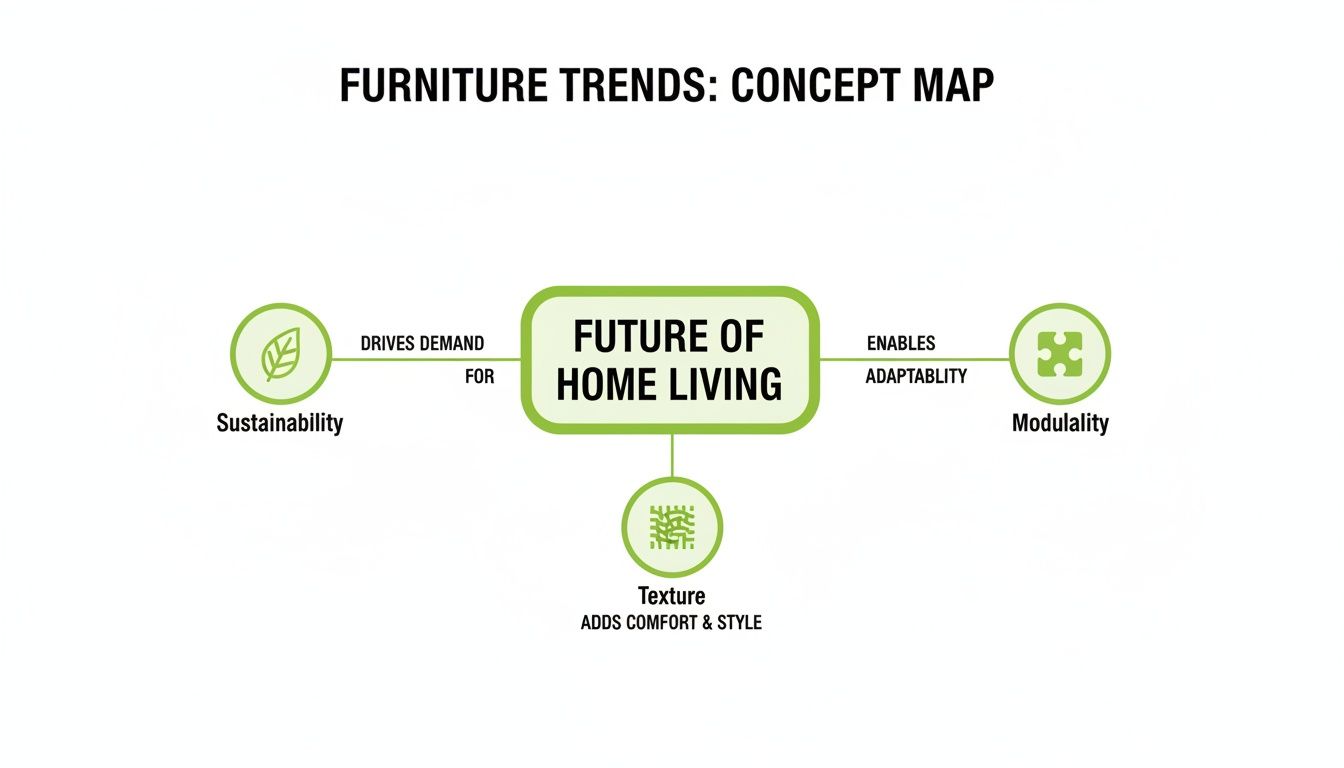
These principles — sustainability, adaptability, and sensory richness — form a cohesive roadmap for the future of interior design. They aren’t separate ideas, but interconnected pillars shaping homes that are thoughtful, functional, and perfectly attuned to the rhythms of modern life.
This map really brings to life how sustainability, modularity, and texture are the central pillars shaping the future of how we live.
Why Sustainable Furniture Is the New Standard
Sustainability has officially shifted from a design preference to a defining expectation. Homeowners are more aware than ever of their environmental impact, and that awareness is reshaping how we furnish our spaces. This isn’t a fleeting trend — it’s a new benchmark where thoughtful design, long‑lasting quality, and environmental responsibility come together to create homes that feel good in every sense.
The momentum behind this shift is backed by real data. The global furniture market, valued at USD 597.71 billion in 2025, is projected to reach USD 996.38 billion by 2034, growing at a steady 5.92% CAGR. This growth reflects more than increased demand — it signals a worldwide move toward eco‑friendly materials and conscious consumption. According to insights from Statista, this surge aligns with broader consumer expectations for sustainable, responsibly made products.
Beyond Buzzwords: What Sustainable Really Means
Sustainability isn’t just about choosing “natural” materials — it’s a holistic approach that considers the entire lifecycle of a product. True sustainable furniture begins with responsible sourcing, using materials that are renewable (like bamboo), recycled (such as metals), or reclaimed (like salvaged wood). But it doesn’t stop there.
Manufacturing practices matter just as much. The most forward‑thinking brands prioritize processes that reduce waste, conserve energy, and avoid harmful chemicals. As one guiding principle puts it:
A truly sustainable piece of furniture isn’t just made from eco-friendly materials; it’s designed from the start to be durable, repairable, and eventually, recyclable. It’s a commitment to creating items that last for generations, not just for a season.
This big‑picture approach ensures your choices support both your home and the planet. It’s a philosophy that blends conscious living with elevated style — and it’s becoming the foundation of modern interior design.
The Materials Leading the Eco-Friendly Charge
The heart of sustainable furniture lies in the materials themselves. Designers are pushing boundaries with innovative resources that deliver beauty without the environmental burden. It’s proof that modern design no longer asks you to choose between style and responsibility — you can have both.
Let’s explore the key materials driving this movement and how they’re shaping the future of conscious home design.
Key Sustainable Furniture Materials
| Material | Key Benefits | Commonly Used For | Fluent Trends Example |
|---|---|---|---|
| Reclaimed Wood | Unique character, prevents deforestation, reduces landfill waste. | Tables, consoles, shelving, bed frames. | Salvaged timber dining tables. |
| Recycled Metals | Infinitely recyclable, uses far less energy than new production. | Furniture legs, frames, lighting fixtures, decorative accents. | Spun aluminum pendant lights. |
| Bamboo Composites | Highly renewable (fast-growing), strong, and lightweight. | Chairs, flooring, cabinetry, decorative panels. | Molded bamboo dining chairs. |
| Handcrafted Ceramics | Made from natural clay, supports artisan skills, durable and timeless. | Tableware, decorative vases, planters, side tables. | Hand-glazed stoneware serving bowls. |
By embracing these materials, designers are not just making furniture; they're telling a story of resourcefulness and respect for the planet.
Here are a few of the materials you’ll see everywhere:
-
Reclaimed Wood: This is wood with a past. Salvaged from old barns, warehouses, or historic structures, it carries a built‑in character you simply can’t replicate. Choosing reclaimed wood not only preserves forests but also keeps tons of usable timber out of landfills, transforming it into beautiful tables and case goods with soul.
-
Recycled Metals: Materials like aluminum and steel can be recycled endlessly without losing their integrity. The recycling process uses a fraction of the energy required to produce new metal, making it an exceptional choice for furniture frames, legs, and sculptural accents that feel both modern and responsible.
-
Bamboo Composites: As one of the fastest‑growing plants on the planet, bamboo is a sustainability standout. When engineered into durable composites, it becomes a versatile material for chairs, flooring, and cabinetry — offering a clean, contemporary look with a remarkably light environmental footprint.
-
Handcrafted Ceramics and Stoneware: Think of the earthy, sculptural pieces in Fluent Trends’ tabletop collections. These artisanal items celebrate natural materials and are often produced in small batches, supporting traditional craftsmanship over mass manufacturing. The result is décor that’s timeless, tactile, and built to last.
Embracing the Circular Economy in Design
One of the most forward‑thinking ideas shaping sustainable furniture today is the circular economy. Instead of the old “take‑make‑dispose” model, a circular approach designs waste out of the equation from the very beginning.
In furniture design, this means creating pieces built for disassembly. When a chair or table reaches the end of its life, its components can be easily separated for repair, refurbishment, or recycling into something new. It’s a smart way to extend the lifespan of materials and dramatically reduce landfill waste. You’ll see this in modular sofas with replaceable covers or tables with parts you can swap out if one becomes damaged.
When you choose pieces from thoughtful brands, you’re supporting this innovative, future‑focused model. To explore who’s leading the way, check out our guide on finding top-tier sustainable furniture brands. This shift toward circularity isn’t a trend — it’s the next chapter of responsible, modern design.
How Modular Furniture Creates Smarter Spaces
Our homes have started working overtime. They’re no longer just places to unwind — they’ve become offices, gyms, classrooms, and creative studios all at once. As our lives grow more dynamic, our furniture has to evolve with us. The old one‑size‑fits‑all approach simply doesn’t work anymore, making room for smarter, more adaptable solutions. This is where multifunctional and modular design truly shines.
Think of modular furniture as sophisticated, grown‑up building blocks. Sectional sofas, configurable shelving, and interlocking storage systems give you the freedom to reimagine your layout whenever life calls for it. Expecting company? Add another section to the sofa. Picked up a new hobby with lots of gear? Expand your shelving to make space. This kind of on‑the‑fly flexibility creates a home that responds intuitively to your lifestyle.
The Rise of the Everyday Transformer
Beyond modularity, multifunctional furniture has become a true staple of modern living. These are the clever workhorses of the design world — pieces that serve one purpose by day and another by night, or reveal hidden capabilities with a simple flip, lift, or pull. They’re the quiet heroes of stylish, space‑savvy homes.
This shift is a direct response to how we live today, especially in cities where every square foot matters. Multifunctional design makes smaller spaces feel larger, more flexible, and more intentional. The demand is real: the market for multifunctional home‑office furniture reached USD 30.34 billion in 2024, fueled by the rise of remote work and the growing preference for cozy, efficient urban living.
Here are a few classic examples of these everyday transformers in action:
-
The Sleeper Sofa: Forget the clunky pull‑outs of the past. Today’s sleeper sofas are genuinely comfortable and beautifully designed, transforming a living room into a guest room in seconds.
-
The Expanding Dining Table: A compact everyday table can extend to host a full dinner party, giving you the flexibility to entertain without dedicating permanent space to a large piece.
-
The Storage Ottoman: This multitasking essential works as a footrest, an extra seat, and a discreet storage solution for blankets, remotes, or magazines — all in one compact form.
-
The Lift-Top Coffee Table: With a smooth lift, the surface rises to become a functional WFH desk or a comfortable spot for casual dining on the sofa.
Maximizing Space Without Sacrificing Style
One of the biggest misconceptions about modular and multifunctional furniture is that practicality comes at the expense of beauty. Today’s designers are proving the opposite. These smart, space‑saving pieces sit at the forefront of contemporary design, often crafted with premium materials and clean, modern silhouettes that elevate any room.
The goal of modern modular design isn't just to save space, but to add real value to it. A well-designed piece should solve a practical problem while also being a beautiful object you love living with.
This philosophy makes even the smallest apartment feel open and uncluttered. When your furniture does double or triple duty, you simply need fewer items — creating more visual breathing room and a sense of effortless order. Exploring options like space saving furniture for small bedrooms shows just how innovative these solutions have become. The result is a home that feels both intentionally organized and effortlessly chic.
How to Integrate Adaptable Pieces
Bringing adaptable furniture into your home is easier than it seems. The key is to start by identifying your biggest pain points. Does your living room feel cramped? Is your bedroom lacking storage? Once you know the problem, the right multifunctional piece becomes an effortless solution.
Here are a few ideas to help you get started:
-
Assess Your Room's Function: Consider everything that happens in a single space. Your living room might need to support relaxing, working, and entertaining. A modular sectional paired with a lift‑top coffee table can handle all three beautifully.
-
Start with One Key Piece: You don’t need a full overhaul. Sometimes one high‑impact item — like a streamlined storage bed or an expandable console — can transform how a room works.
-
Think Vertically: When floor space is limited, look upward. Modular wall shelving or a tall, narrow bookcase adds generous storage without taking over your footprint.
For more inspiration on furnishing tight spots, our guide on the best furniture for small spaces is a great place to explore. Ultimately, this trend is about creating a home that flexes with you — ensuring your space is always ready for whatever life brings.
As you begin layering in adaptable pieces, something interesting happens — your home starts to feel more intentional, more personal, and more aligned with the way you actually live. That’s the beauty of thoughtful design: it doesn’t just solve problems, it shapes a space that feels uniquely your own.
Making Your Home a Reflection of You
Let’s be honest — the days of flipping through a catalog and ordering a perfectly matched living‑room set are long gone. Thankfully. One of the most exciting shifts in furniture design today is the move toward creating spaces that feel deeply, authentically personal. Your home should be a sanctuary, and the pieces you choose should feel like they belong there — like they’re part of your story.
This evolution goes far beyond picking out pretty things. It’s about crafting an environment that feels right, one that communicates who you are without you having to say a word. With new technology and a renewed appreciation for skilled craftsmanship, getting furniture that feels custom‑made is easier than ever. You can choose the fabric, the finish, the dimensions — shaping a piece that truly reflects you.
Embracing Customization and Curation
Personalization isn’t just for the ultra‑wealthy anymore — it has become a defining force in modern design. The global market for custom furniture is expanding rapidly as people move away from cookie‑cutter pieces and toward items with more character and intention. Consumers are choosing bespoke sofas, distinctive dining sets, and one‑of‑a‑kind pieces that fit their lifestyle with precision.
This shift puts you firmly in the curator’s seat. It’s about mindfully selecting pieces you genuinely connect with and learning how to blend them into a home that feels collected, layered, and deeply personal over time.
A personalized home isn't created overnight. It's built through a thoughtful process of selecting items that you love, blending textures and styles, and telling your story one piece at a time.
It’s a more deliberate way to decorate — where every object has purpose. This is what separates a house that’s simply “decorated” from a home that feels warm, lived‑in, and truly loved.
How to Mix New Trends with Existing Pieces
Bringing in new, personalized furniture doesn’t mean starting from scratch. The beauty of a curated home is how it evolves with you. The goal is to create a seamless dialogue between the pieces you’ve cherished for years and the fresh trends you’re excited to introduce.
Here are a few simple ways to blend the new with the familiar:
-
Find a Common Thread: Look for a shared element that ties pieces together — a color, a material like brass or oak, or a design era. A sleek modern armchair can feel perfectly at home next to traditional wood furniture when you add a pillow that pulls tones from both.
-
Layer with Textiles: Never underestimate the impact of textiles. A new throw blanket, rug, or set of pillows can instantly refresh an older sofa and help the entire room feel more cohesive.
-
Balance the Old and New: Avoid clustering all your new finds in one area. Distribute them throughout the space to create a natural, integrated look. Try pairing a contemporary lamp with an antique side table or hanging modern art above a classic console.
-
Focus on Curated Collections: Personalization isn’t limited to large furniture pieces. Displaying unique dinnerware or handcrafted serveware from a thoughtful kitchen and dining assortment adds personality to everyday moments and elevates your hosting experience.
By experimenting with these strategies, you can confidently weave new trends into your home without losing the pieces — and memories — you already love. The result is a space that feels stylish, intentional, and unmistakably you.
As your home becomes more curated and personal, the next layer of design begins to emerge — the shapes, textures, and tactile details that bring a room to life. This is where your space starts to feel not just collected, but truly expressive.
The Allure of Shape and Texture
Color may set the initial mood, but it’s the interplay of shape and texture that gives a room its soul. We’re seeing a major shift away from sharp, rigid lines toward forms and finishes that invite touch and create emotional warmth. This is about designing spaces that don’t just photograph beautifully — they feel genuinely inviting, comfortable, and full of character.
Think of it as building a sensory landscape within your home. A soft, curved sofa that beckons you to sink in. A nubby pillow that adds tactile interest. A handcrafted ceramic vase that brings an earthy, grounding presence. By layering these shapes and textures, you create a rich, dynamic environment that feels deeply personal and wonderfully cozy.
Curves are Back in a Big Way
For what felt like an eternity, minimalist design meant hard angles and straight lines ruled the day. Well, the pendulum has officially swung. Softer, more organic forms are taking over, and you can see them everywhere—from gently rounded sofas and arched cabinets to circular coffee tables. This isn't just a fleeting style choice; it’s a move rooted in how we experience our spaces.
Curved lines feel more natural and less jarring to the human eye, which helps create a sense of safety, comfort, and flow. An arched bookcase can soften an otherwise sharp corner, and a round dining table is a game-changer for conversation, letting everyone face each other. This re-embrace of curves is a direct answer to our collective need for homes that feel like nurturing sanctuaries from a chaotic world.
The resurgence of curved furniture, sometimes dubbed the '80s design revival, is all about making our homes feel more fluid and welcoming. These organic shapes guide your eye through a room and break up the boxy feel of modern architecture, making any interior feel instantly more approachable.
The great thing is, you can dip your toes in or dive right in. Start with some rounded decor or go all out with a show-stopping, curvy centerpiece.
The Art of the Tactile: Creating Sensory Depth
Shape may catch the eye, but texture defines the soul of a modern interior. A space curated with only flat surfaces risks feeling sterile and uninspired. In contrast, a masterfully layered room utilizes a variety of tactile materials to create visual weight and an environment that feels intentionally lived-in and complete.
To achieve a high-end aesthetic, aim to curate a "tapestry of sensations" through strategic contrast. A sleek leather accent chair paired with a decadent velvet cushion creates a dialogue between materials, each enhancing the other's unique character.
Key Textures Defining the Season:
-
Bouclé: The hallmark of tactile elegance, this looped yarn offers a nubby, architectural quality. It provides an understated warmth to minimalist armchairs, bridging the gap between comfort and high-concept design.
-
Velvet: Transcending its formal origins, velvet remains the ultimate symbol of approachable luxury. Its unique ability to catch and diffuse light adds a painterly dimension to sofas and headboards.
-
Artisanal Ceramics & Stoneware: Matte finishes and unglazed surfaces introduce a grounding, organic element. These materials offer a sophisticated contrast to softer fabrics, anchoring a room with their raw, earthen permanence.
TThe Art of Layering: Curating a Cohesive Sensory Landscape
Mastering a high-end interior requires a delicate equilibrium between form and feel. To create a space that resonates, we recommend designating a "hero" silhouette as your foundational anchor.
Consider the evocative power of a sculptural, curved sofa. To ground its fluidity, introduce the geometric precision of a linear rug. Upon this foundation, layering becomes an exercise in sophisticated contrast: pair the crisp, structural integrity of smooth linen cushions with the indulgent, light-catching depths of premium bouclé or velvet. Complete the vignette with an artisanal touch—perhaps a reclaimed wood coffee table or a hand-handcrafted ceramic vessel from the Fluent Trends curated collection. It is this deliberate interplay of silhouettes and surfaces that elevates a room from "decorated" to "architecturally designed."
Transitioning from inspiration to installation requires more than an eye for beauty; it requires a strategic approach to integration.
Architectural Integration: A Refined Approach to the Modern Home
Embracing modern furniture trends is not about a total departure from the past; it is about the sophisticated integration of new perspectives into your existing narrative. Our philosophy at Fluent Trends is that a home should evolve, reflecting a life well-lived. We act as your digital showroom, sourcing forward-thinking designs that treat each update as a curated investment rather than a fleeting decorative choice.
The secret to a successful refresh lies in the singular, high-impact piece. A sleek modular sofa can instantly redefine the flow of a living room, while minimalist, sustainable storage solutions introduce a sense of restorative calm. By blending these fresh, vendor-direct finds with your personal history, you achieve a space that feels both current and timeless—a reflection of modern luxury tailored to your lifestyle.
Spatial Curation: A Room-by-Room Application
The hallmark of a well-designed home is intentionality. A trend should never feel forced; rather, it should be tailored to the unique energy of each environment. Here is how to translate contemporary design principles into a cohesive, whole-home narrative.
The most successful updates are those that marriage aesthetic beauty with functional longevity. It is about selecting pieces that don’t just fill a space, but genuinely enhance the way you experience it.
The Living Room: Versatility Meets Tactility
As the social heart of the home, the living room demands a balance of flexibility and indulgent comfort. A modular sectional is a cornerstone investment, offering the ability to reconfigure your space for every occasion. To introduce depth, consider an architectural bouclé accent chair or plush velvet pillows from the Fluent Trends curation to soften the lines of the room and instill a sense of approachable luxury.
The Bedroom: A Sanctuary of Sustainable Calm
The private quarters should prioritize restorative design. This is the ideal space to introduce sustainable materials and organic textures. A nightstand crafted from reclaimed timber or a bed frame made from responsibly sourced wood grounds the room in nature. For organization, utilize vertical space with streamlined shelving—this minimizes clutter while maintaining an airy, expansive atmosphere.
The Dining Room: Fluidity and Connection
Foster a sense of intimacy by embracing curved silhouettes. A round or oval dining table encourages conversation and improves the architectural flow of the room. Complement the curves with upholstered seating and a sculptural light fixture. To finalize the setting, handcrafted ceramic dinnerware—like the artisanal sets found at Fluent Trends—elevates a daily ritual into a sophisticated experience.
Navigating the evolution of your home can raise practical questions about longevity and investment. Below, we address the most frequent inquiries to help you curate your space with total confidence.
Design Dialogue: Your Questions on Contemporary Trends
Entering the world of interior design should be an inspiring evolution, not an overwhelming task. At Fluent Trends, we believe in empowering our clients with the insight needed to build a timeless home. Here, we address the common curiosities encountered when integrating fresh styles into a personal sanctuary.
Do I need to adopt every trend?
In short: absolutely not. At Fluent Trends, we view trends as a source of inspiration rather than a set of requirements. True style is found in selectivity. We recommend choosing only the elements that resonate with your personal aesthetic and solve a specific functional need within your home.
How do I refresh my space on a focused budget?
A total overhaul is rarely necessary to shift the energy of a room. Impact is often found in the curated detail. By introducing new textures through high-quality textiles, a statement lamp, or even a set of artisanal dinnerware, you can completely redefine a room’s atmosphere. We specialize in sourcing these high-impact "finishing touches" that offer a premium refresh at an accessible investment level.
Design Longevity: Investing in the Future of Your Home
The most common hesitation when investing in a new piece is the fear of obsolescence. However, the current shift toward sustainability, modularity, and organic materials represents more than a fleeting moment—it reflects a fundamental change in how we define modern living.
These aren't just passing fads; they represent fundamental shifts in how we all want to live our lives. A beautifully made piece crafted from sustainable wood or a sofa designed for versatility is a smart investment that will look and feel right for years, not just a season.
My best advice? Focus on timeless silhouettes and solid construction for your big-ticket items like sofas, beds, and dining tables. Save the more adventurous, of-the-moment choices for smaller, less expensive decor pieces that you can easily swap out when you're ready for a change. It's the perfect strategy for keeping your home feeling both current and classic.
Achieving this balance is the hallmark of a sophisticated home. By selecting foundational pieces with a timeless soul and layering them with contemporary accents, you create a space that is both a sanctuary for today and a legacy for tomorrow.
Ready to bring these fresh perspectives into your own home? Transform your space into a masterpiece of balance by exploring our latest arrivals. Step into the Fluent Trends digital showroom and discover the curated pieces that complete your story today.
The Bio: Yuatinia Leak, owner and creative director of Fluent Trends, is a luxury home and lifestyle brand dedicated to elevating everyday living through thoughtful design. With a refined eye for balance, texture, and timeless style, she blends classic influences with modern sensibilities to create interiors that feel both sophisticated and deeply livable. Her work is rooted in quality, clarity, and intentionality — values that guide every product, editorial, and design insight she shares.