

Spot Greenwashing in Home Decor: A Practical Guide
Yuatinia LeakTable of Contents
- What Greenwashing Means in Home Decor
- Common Greenwashing Examples in Home Decor
- Red Flags: Vague Claims and Unsubstantiated Language
- How to Verify Sustainable Furniture Claims
- Eco-Friendly Furniture Certifications Worth Checking
- Questions to Ask Sustainable Home Decor Brands
- Material Durability and Longevity Matter More Than You Think
- Transparency in Supply Chain and Production
- Build Your Own Claim-Checking Workflow
- Frequently Asked Questions
Last Updated: October 10, 2026
What Greenwashing Means in Home Decor
Greenwashing in home decor happens when brands make false or exaggerated environmental claims. They use vague language and misleading imagery to seem eco-friendly. At Fluent Trends, we help customers spot the difference between real sustainability and marketing tricks.
Real sustainable furniture comes from transparent makers. They share details about materials, production, and sourcing. Greenwashing brands hide these details behind buzzwords.
The problem is simple. You want to buy responsibly. But misleading claims make it hard to know what's actually sustainable. Understanding greenwashing protects your wallet and your values.
Common Greenwashing Examples in Home Decor
Furniture brands use several greenwashing tactics repeatedly. One tactic is using nature imagery without real proof. A couch box shows trees and leaves but contains synthetic materials.
Another tactic is vague eco-labels. Terms like "eco-friendly" or "natural" mean nothing without specifics. What exactly is natural? Which part of the product?
Brands also hide sourcing information. They claim items are sustainable but won't say where materials come from. No details about factories or labor practices.
Some brands use recycled claims dishonestly. They might use 5% recycled content but market the whole item as recycled. This is selective disclosure. It's technically true but deeply misleading.
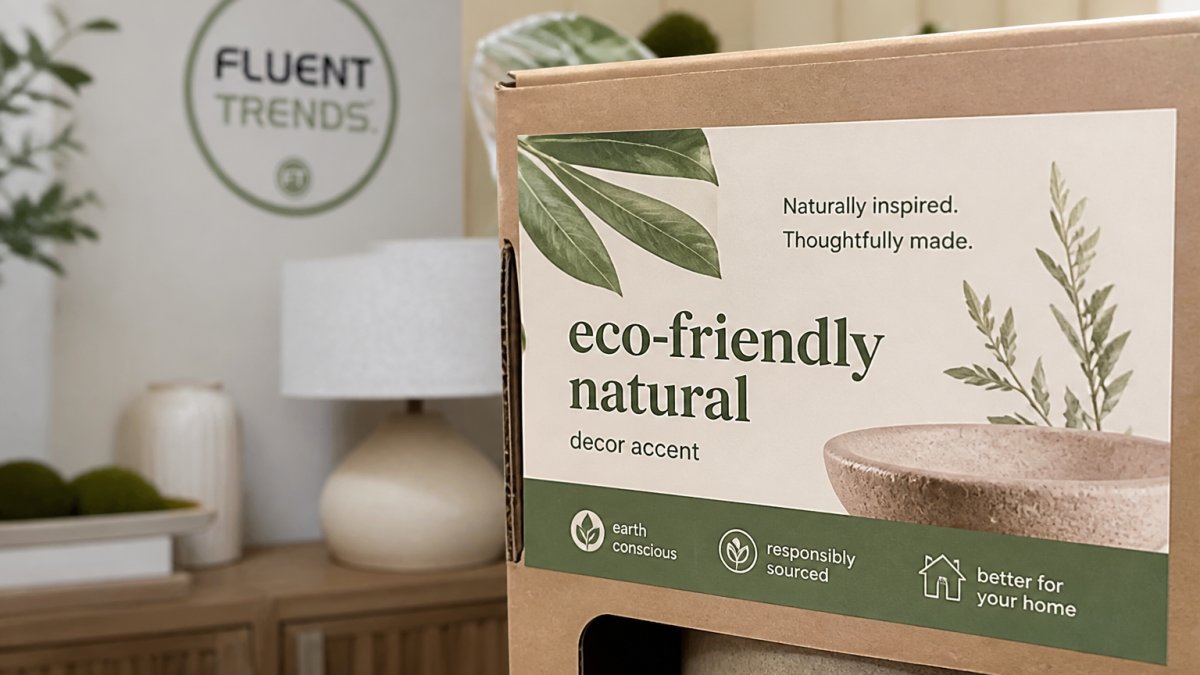
Durability claims are another red flag. Brands say pieces are "built to last" but offer no warranty. Real makers back their work with guarantees. They know their items will hold up.
Red Flags: Vague Claims and Unsubstantiated Language
Look for these red flags when evaluating greenwashing in home decor. Vague language is the biggest warning sign. Words like "eco-conscious," "natural," and "green" mean nothing without specifics.
Real claims include numbers and materials. "Made with 100% organic cotton" is clear. "Eco-friendly materials" is not.
Unsubstantiated claims have no proof attached. A brand says items are sustainable but provides no documentation. No third-party testing. No certifications. Just the claim.
Missing sourcing details are another red flag. Where did the wood come from? Which factory made it? How far did it travel? Transparent brands answer these questions easily.
Some brands use emotional language instead of facts. They talk about "preserving nature" or "honoring the planet" but never explain how. Beautiful words don't mean sustainable practices.
How to Verify Sustainable Furniture Claims
Don't just trust what a brand says. Build a simple system to check every claim. This workflow takes about 15 minutes per product and catches most greenwashing.
Step 1: Write down every environmental claim. Read the product page carefully. Note claims about materials, sourcing, durability, and environmental impact. Don't assume. Write exactly what the brand states.
Step 2: Check for specifics and numbers. Real claims include percentages and material names. "Made with 100% organic cotton" is specific. "Eco-friendly materials" is vague. Vague claims are a red flag.
Step 3: Look for certifications and verify them. Visit the certification organization's website. Search for the brand name. Confirm the certification is current. Check what specific products are certified. If you can't verify it, the claim is unsubstantiated.
Step 4: Contact the brand with detailed questions. Ask for material specifications. Ask for percentages of each material. Ask about dyes and finishes. Ask where materials are sourced. Ask about factory locations. Save their responses in a document.
Step 5: Compare the brand's answers to their marketing claims. Do they match? If marketing says "sustainably sourced" but the brand can't name the supplier, that's greenwashing. If marketing emphasizes one green feature but hides others, that's selective disclosure.
Step 6: Assess durability and longevity. Ask how long the brand guarantees the item will last. Ask if repairs are available. Ask about expected lifespan. Sustainable furniture is built to last years, not months. A cheap couch that falls apart in two years isn't sustainable, no matter what materials it uses.
Step 7: Research what happens at end of life. Ask if the item can be recycled. Ask if materials can be composted. Ask about resale value. Truly sustainable brands think about the entire lifecycle. They design for disassembly and material recovery.
Step 8: Check for transparency about labor and production. Ask where the item is manufactured. Ask about worker wages and conditions. Ask about energy sources in production. Ask about waste management. Transparent brands answer these questions. Greenwashing brands dodge them.
Step 9: Look at material quality in detail. For wood furniture, ask about wood species and hardness. Sheesham wood scores around 1,410 on the Janka hardness scale. This makes it physically harder and more scratch-resistant than teak at roughly 1,000 lbf. Acacia wood offers similar durability. Ask if the wood is sustainably sourced and properly seasoned to resist warping.
For textiles, ask about fiber content. Organic cotton lasts longer than synthetic fabrics. It gets softer with washing instead of breaking down. Portugal-woven bedding and textiles hold up to regular use. OEKO-Tex certified fabrics maintain quality through countless washes. Hypoallergenic materials don't degrade when cleaned properly. Boucle furniture withstands daily sitting and movement. Its textured weave resists pilling and wear. Milk/casein fiber is another sustainable option.
For bone inlay furniture, ask about construction methods. These handcrafted pieces become more beautiful with age. They develop patina and tell the story of your home's life.
Step 10: Compare similar items from different brands. Look at how competitors describe similar products. How do their claims compare? How do prices compare? Quality usually correlates with honesty. Brands that invest in real sustainability tend to be transparent about it.
Step 11: Check return policies and warranties. Real sustainable brands offer returns and warranties. They're confident in their quality. Greenwashing brands often have strict no-return policies. They know their items won't hold up.
Step 12: Make your decision. Buy from brands that passed most of your checks. Avoid brands that failed multiple steps or refused to answer questions.
Keep notes on each brand. Over time, you'll recognize patterns. You'll spot greenwashing faster. You'll know which brands actually stand behind their claims.
Eco-Friendly Furniture Certifications Worth Checking
Not all certifications are equal. Some are rigorous. Others are marketing gimmicks. Learning which ones actually mean something saves you from greenwashing.
OEKO-Tex certification tests textiles for harmful substances. It verifies fabrics are safe for your skin and the environment. But here's what it doesn't do: OEKO-Tex doesn't certify the entire supply chain. It only checks the final textile product. A fabric can pass OEKO-Tex and still come from a factory with poor labor practices. Always ask the brand about factory conditions separately.
FSC certification proves wood comes from responsibly managed forests. The Forest Stewardship Council tracks trees from forest to finished product. FSC-certified wood is genuinely sustainable. However, FSC doesn't guarantee the wood was sustainably finished. Ask if stains, varnishes, and adhesives are also certified or low-toxicity.
GOTS certification covers organic cotton. Global Organic Textile Standard ensures cotton is grown without harmful pesticides. It also verifies fair labor practices. This is one of the most comprehensive textile certifications available. Check the certification date on the brand's website. Certifications expire and need renewal.
Cradle to Cradle certification tracks products through their entire lifecycle. It ensures materials can be recycled or safely composted at the end. This is thorough, but it's also expensive. Fewer brands pursue it. If a brand has it, that's a strong signal.
Be cautious with self-made certifications. Some brands create their own eco-labels. These mean nothing. They're designed to look official but carry no real verification. Red flag: if you can't find the certification organization's independent website, it's probably fake.
Here's how to verify a certification is real. Visit the certification organization's official website. Search for the brand name. Confirm the certification is current and hasn't expired. Check what specific products are certified. A brand might be FSC-certified for wood but not for adhesives or finishes.
Ask the brand for their certification number. Real certifications have tracking numbers. You can often enter that number on the certifier's website to confirm it's valid. Greenwashing brands won't provide this information.
Understand what each certification covers and what it doesn't. OEKO-Tex covers textiles only. FSC covers wood sourcing only. GOTS covers cotton and labor. Cradle to Cradle covers lifecycle. No single certification covers everything. A truly sustainable brand will have multiple certifications or detailed transparency where certifications don't apply.
Certification |
What It Verifies |
What It Doesn't Cover |
Trustworthiness |
|---|---|---|---|
OEKO-Tex |
Harmful substances in textiles |
Supply chain labor or finishing chemicals |
High |
FSC |
Responsible forest management |
Finishing, adhesives, or dyes |
High |
GOTS |
Organic cotton and fair labor |
Non-cotton materials or finished product safety |
High |
Cradle to Cradle |
Full product lifecycle |
Labor practices or material sourcing ethics |
High |
Brand-made labels |
Nothing verified |
Everything |
Low |
Questions to Ask Sustainable Home Decor Brands
Ask these questions before buying. Real sustainable brands answer them thoroughly. Greenwashing brands dodge them or give vague responses.
Orion Hexagonal Plant Pot | 3D Printed, Eco-Friendly Planter →
Where are your materials sourced? Ask for specific countries and suppliers. Ask about labor practices at each facility. Transparency here matters.
What certifications do you have? Ask for proof. Ask which organizations verified your claims. Ask for documentation.
How long do items last? Ask about warranty periods. Ask if repairs are available. Ask about expected lifespan.
What happens at the end of the product's life? Can it be recycled? Composted? Reused? Real sustainable brands think about the entire lifecycle.
Do you use organic or recycled materials? Ask for percentages. Ask which specific materials. Ask for test results proving content.
How do you minimize waste in production? Ask about water use. Ask about energy sources. Ask about chemical disposal. Details matter.
Material Durability and Longevity Matter More Than You Think
Sustainability isn't just about materials. It's about how long items last. A cheap piece that falls apart in two years isn't sustainable. You'll replace it, creating more waste.
Real sustainable furniture uses quality materials. Sheesham wood scores around 1,410 on the Janka hardness scale. This makes it physically harder and more scratch-resistant than teak. It absorbs daily impacts without chipping or splitting.
Properly seasoned sheesham resists warping and twisting. The joints stay tight for decades. This durability means your furniture lasts through years of use.
Organic cotton lasts longer than synthetic fabrics. It gets softer with washing instead of breaking down. Wool and linen are similarly durable.
Portugal-woven bedding and textiles hold up to regular use. OEKO-Tex certified fabrics maintain quality through countless washes. Hypoallergenic materials don't degrade when cleaned properly.
Bone inlay furniture becomes more beautiful with age. These handcrafted pieces develop patina. They tell the story of your home's life.
Boucle furniture withstands daily sitting and movement. Its textured weave resists pilling and wear. Quality boucle lasts for years.
Acacia wood offers excellent durability for furniture. It resists moisture and pests naturally. Sustainable sourcing of acacia supports responsible forestry.
Ask brands about expected lifespan. Real makers stand behind their work.
Transparency in Supply Chain and Production
Transparency separates real sustainable brands from greenwashing. You should know where your furniture comes from and how it's made.
Ask for factory locations. Real brands list specific countries and facilities. They're proud of their partnerships.
Request information about labor practices. Are workers paid fairly? Do they work in safe conditions? Ethical brands answer these questions.
Ask about environmental practices in production. What energy sources do factories use? How do they handle waste? What chemicals do they use?
Look for brands dedicated to transparent sourcing. Fluent Trends features ethically made goods that support women-owned businesses and global artisans. We share stories about the makers behind each piece.
Ask about certifications for labor practices. Fair Trade certification verifies ethical labor.
Real sustainable brands celebrate their supply chains. They want you to know about the people making your furniture. Greenwashing brands keep this information hidden.
Build Your Own Claim-Checking Workflow
Create a simple system for evaluating greenwashing in home decor. Use this workflow every time you shop. It takes just a few minutes.
Step 1: Read the marketing claims carefully. Write down every environmental claim the brand makes. Don't assume. Write what they actually say.
Step 2: Check for specifics. Do claims include numbers and materials? Or just vague language? Specific claims are more trustworthy.
Step 3: Look for certifications. Visit the certification organization's website. Verify the brand is actually certified. Check the certification date.
Step 4: Contact the brand. Email your questions about materials, sourcing, and durability. Save their responses. Compare them to their marketing claims.
Step 5: Research the makers. If the brand shares maker information, research those businesses. Look for independent reviews. Check for complaints.
Step 6: Compare similar items. Look at competitors. How do their claims compare? How do prices compare? Quality usually correlates with honesty.
Step 7: Check return policies. Real sustainable brands offer returns. They're confident in their quality. Greenwashing brands often don't.
Step 8: Make your decision. Buy from brands that passed your checks. Avoid brands that failed multiple steps.
Keep notes on each brand. Over time, you'll recognize patterns. You'll spot greenwashing faster.
Spotting greenwashing protects your investment and your values. Real sustainable furniture costs more upfront. But it lasts longer. It looks better. It supports ethical makers.
Fluent Trends offers handcrafted goods from women-owned businesses and global artisans. We prioritize eco-friendly materials like organic cotton, wool, and linen. Every piece tells a story and supports cultural heritage preservation. Our collection features durability you can feel, from OEKO-Tex certified textiles to responsibly sourced wood. Shop our collection of durable furniture built to elevate your space and your conscience.
Frequently Asked Questions
How can you tell if a home decor brand is greenwashing?
Look for vague language like 'eco-friendly' or 'natural' without specifics. Real sustainability claims include certifications, material sourcing details, and production transparency. Ask the brand directly about their environmental impact and supply chain. Greenwashing hides behind pretty imagery and buzzwords while avoiding measurable evidence or third-party verification of their environmental claims.
What certifications should you look for in sustainable home textiles?
OEKO-Tex certification verifies that textiles are free from harmful chemicals. Look for Fair Trade certification for labor practices. GOTS (Global Organic Textile Standard) confirms organic fiber sourcing. Cradle to Cradle certification means the product is designed for recycling or composting. Ask brands which certifications they hold and request documentation. Legitimate brands display these badges proudly and can explain what each one means.
What are common greenwashing examples in home decor?
Brands claim 'sustainable' furniture without naming the wood species or sourcing location. They use nature imagery on packaging but hide synthetic materials. Terms like 'eco-friendly' appear without certifications. Some brands mention 'recycled content' but don't disclose the percentage. Others tout handcrafted appeal while using mass-produced methods. Watch for selective disclosure, like mentioning organic cotton but hiding synthetic dyes or non-renewable fillings in the same product.
How do I verify whether a home decor product is sustainably made?
Request specific details: the exact wood species (sheesham, acacia, bamboo), where it was sourced, and how it was finished. For textiles, ask about fiber content and dyeing processes. Check if they use materials like organic cotton, milk-casein fiber, or Portugal-woven bedding. Ask about labor practices and wages. Legitimate brands answer these questions with documentation. Look for third-party certifications and ask how long the product lasts. Durability is sustainability. Pieces built to last decades have far less environmental impact than cheap replacements.