

The Citizenry Alternative for Unique Decor
Yuatinia LeakTable of Contents
- Why Discerning Homeowners Seek The Citizenry Alternatives
- Best Ethical Home Decor Brands Beyond The Citizenry
- Luxury Artisan Home Decor That Tells a Story
- Handcrafted Textiles and Accents for Curated Interiors
- Statement Furniture Pieces with Artisan Heritage
- Supply Chain Transparency and Maker Verification
- Investing in Pieces Built to Last Decades
- Frequently Asked Questions
Last Updated: August 26, 2026
Why Discerning Homeowners Seek The Citizenry Alternatives
When you invest in home decor, you're curating an environment reflecting your values. Conscious consumers increasingly reject mass-produced interiors for pieces with authentic provenance and ethical sourcing.
The Citizenry alternative for unique decor has become critical for homeowners seeking handcrafted textiles, ethically sourced materials, and transparent supply chains. True luxury isn't about logos. It's about craftsmanship, cultural heritage, and intentional living.
Authenticity separates exceptional home decor from the ordinary. When a piece tells a story rooted in artisan tradition, it transforms a room from decorated to curated. Maker verification, material transparency, and genuine commitment to fair wages matter profoundly.
Many homeowners discover that generic alternatives leave them unsatisfied. They ask deeper questions: Who made this? What materials were used? Does this brand genuinely support artisans? These concerns drive the search for alternatives delivering aesthetic excellence and ethical integrity.
The FTC's guidelines on substantiating environmental and ethical claims require brands to document sourcing practices transparently. This regulatory framework separates authentic artisan brands from greenwashing competitors.
Buyers now expect detailed maker information, material sourcing documentation, and third-party verification of fair trade claims. This article explores compelling The Citizenry alternative for unique decor options prioritizing transparency alongside design excellence.
Best Ethical Home Decor Brands Beyond The Citizenry
The landscape of ethical home decor extends far beyond a single brand. Multiple platforms now specialize in curating artisan goods with rigorous vetting standards.
Fluent Trends stands at the forefront, offering carefully curated collections connecting you to global artisans and women-owned businesses. The brand's commitment to handcrafted goods and sustainable practices addresses core concerns driving consumers toward The Citizenry alternative for unique decor.
Look for specific markers: documented maker information, transparent pricing reflecting fair wages, eco-friendly materials, and small-batch production. Brands hiding sourcing or using vague sustainability language deserve skepticism.
Several platforms built reputation through rigorous curation standards. Some focus on globally inspired pieces with strong cultural narratives. Others emphasize minimalist Scandinavian aesthetics combined with sustainable materials. The best ethical brands treat artisans as partners, not suppliers.
Research from the Sustainable Furnishings Council demonstrates consumers increasingly verify supply chain claims before purchasing. This shift has forced authentic brands to invest in transparency infrastructure.
Ethical home decor pricing reflects genuine costs. Handwoven textiles cost more than mass-produced alternatives because the difference represents fair wages, traditional techniques, and sustainable sourcing. Understanding this economics explains premium pricing for The Citizenry alternative for unique decor options.
Consider your aesthetic priorities alongside ethical concerns. Do you gravitate toward bohemian globally inspired pieces? Modern minimalist designs? Eclectic culturally significant accents? The best alternative matches both visual preferences and values around maker compensation.
Luxury Artisan Home Decor That Tells a Story
Luxury artisan home decor transcends decoration to become narrative architecture. Each piece carries history, technique, and human intention woven into its construction.
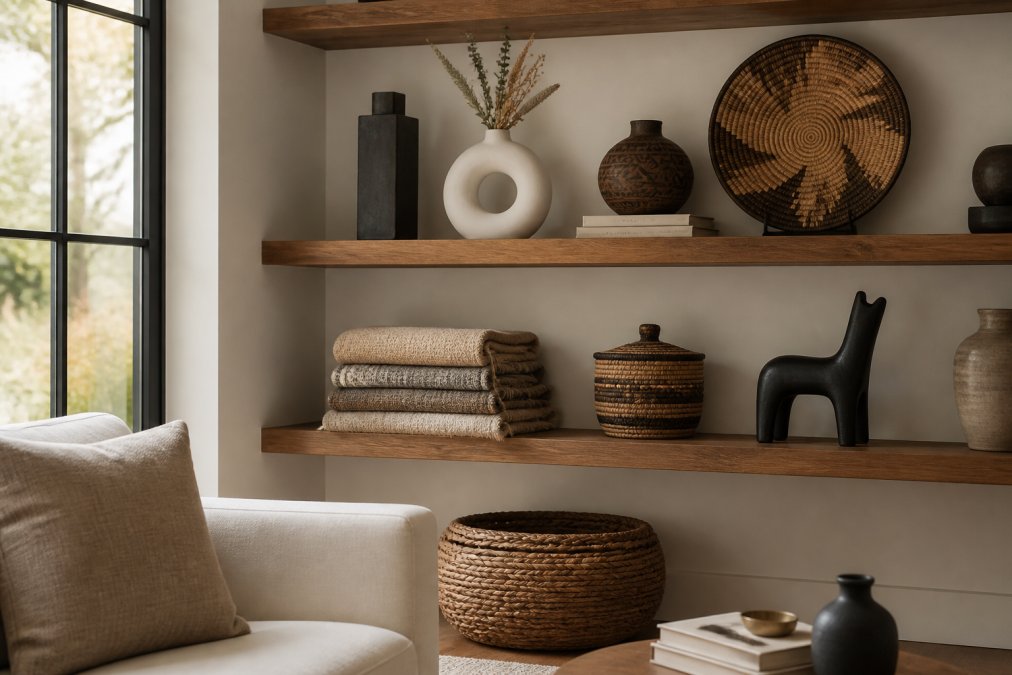
The distinction between mass-produced and artisan-made becomes immediately apparent upon inspection. Handcrafted pieces exhibit subtle variations, authentic patina, and evidence of time-tested techniques. These imperfections represent quality and proof of human care.
Consider the Off-White Big Polo Vase from Osmos Studio. This ceramic sculptured piece exemplifies contemporary artisans approaching traditional pottery. The simplistic design opens numerous styling opportunities across modern and eclectic interiors.

Luxury artisan decor emphasizes natural materials and low-waste production methods. Organic cotton, wool, jute, and linen dominate the palette. These materials age beautifully and biodegrade responsibly, unlike synthetic alternatives persisting for centuries.
The Urbi Tiered Papier Flower Vase demonstrates how innovative artisans reimagine traditional materials. South African artist Georgine combines natural fibers with recycled paper and plant dyes. Each piece is individually handcrafted.

Cultural heritage preservation becomes central when purchasing artisan goods. Many handcrafted traditions face extinction as younger generations pursue different livelihoods. Supporting artisans practicing time-tested techniques directly contributes to cultural continuity and community economic stability.
The Agadir Decorative Vessel exemplifies ethical craftsmanship. This ceramic piece features earthy honey tones transitioning to deep glossy green. Its versatility suits minimalist, bohemian, and classic interiors equally well.
Luxury artisan pieces demand intentional placement within your home. Rather than filling every surface, select strategic focal points. A single statement piece commands more visual weight than scattered decorative items.
Handcrafted Textiles and Accents for Curated Interiors
Textiles form the foundation of intimate, layered interiors. Handcrafted pillows, throws, and woven pieces add tactile richness that mass-produced fabrics cannot replicate. Quality textiles improve with age, developing softness and character.
The AfriScandi Sunrise Throw Pillow merges African and Scandinavian design traditions. Meticulously handcrafted from soft yarns, this piece provides luxurious tactile experience alongside visual delight. The 20"x20" format works across seating and bedroom styling.
Hand-embroidered pieces carry particular significance. The Keiskamma Natural White Linen & Silk Embroidered Throw Pillow honors the Keiskamma Art Project, helping local women with embroidery skills. White silk thread on linen creates traditional African symbols telling unique stories.
Organic materials matter profoundly for textiles. Conventional cotton production consumes excessive water and pesticides. Organic alternatives eliminate these environmental costs while maintaining superior softness and durability.
The Blocks Organic Natural White Cotton Throw Pillow features innovative 3D punch needle knitting. This technique creates texture and depth impossible with standard production methods. Each artisan-made piece varies slightly, confirming authentic handcrafted origin.
Handcrafted textiles age beautifully when properly cared for. Unlike synthetic materials that pill and fade, quality natural fibers develop patina and improve with washing. This longevity justifies premium pricing and supports intentional consumption.
Layering textiles creates visual interest and comfort. Combine different textures, scales, and color palettes. A neutral base pillow pairs with patterned accent pieces. Throws draped across seating add warmth and sculptural dimension.
The Chayana Small Moon Mother of Pearl Wind Chime demonstrates that ethical decor exists at multiple price points. This handcrafted Indian bell chime features shimmering natural shell with soft gold finish. Traditional bell craft techniques create authentic celestial energy.

Statement Furniture Pieces with Artisan Heritage
Statement furniture anchors interior design narratives. Rather than blending into backgrounds, these pieces command attention and define room character. Artisan-made furniture combines aesthetic boldness with functional integrity and ethical production.
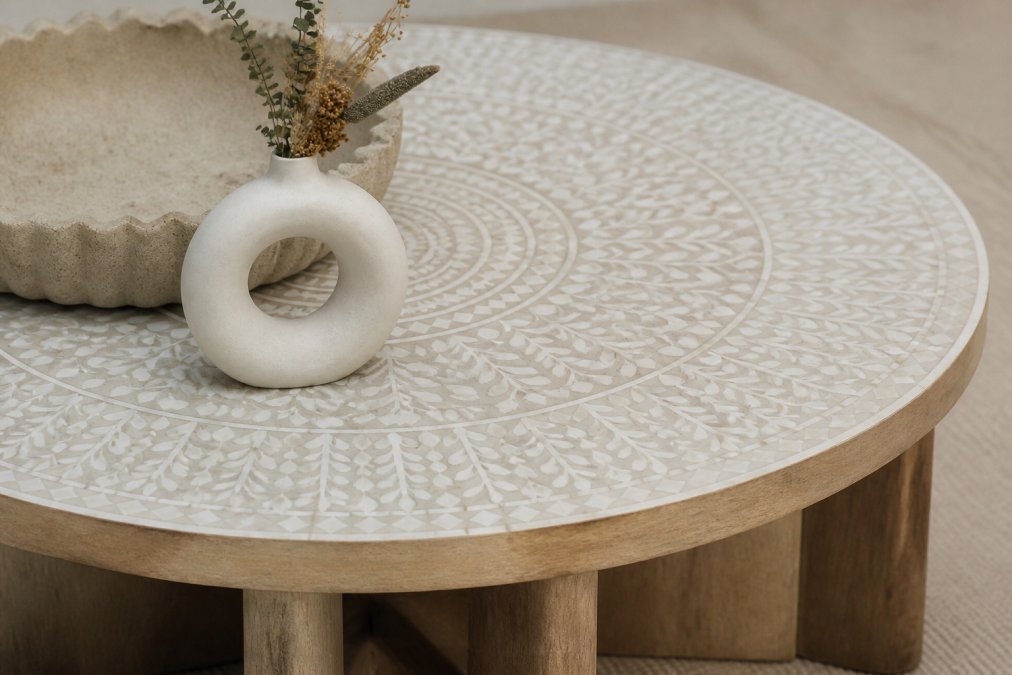
The Edessa Bone Inlay Coffee Table represents pinnacle artisan furniture craftsmanship. Crafted from solid mango wood with ethically sourced bone inlay from naturally deceased animals, this piece unites Nordic design sensibility with bohemian cultural artistry.
Bone inlay furniture carries centuries of tradition. Artisans in specific regions developed specialized techniques passed through generations. Modern ethical producers source bone responsibly from naturally deceased animals, eliminating animal welfare concerns while honoring tradition.
Solid wood construction determines furniture longevity. Mango wood offers durability comparable to hardwoods while remaining sustainable. The natural finish highlights grain patterns and develops richer patina over decades. Unlike veneered alternatives, solid wood pieces can be refinished indefinitely.
The Wavy Mango Wood Wall Mirror demonstrates sculptural furniture design. This handcrafted mirror features organic wave silhouette carved from mango wood with brown antique finish. At 36"W x 72"H, it commands vertical space while reflecting light to brighten interiors.
Artisan furniture supports fair wages and sustainable livelihoods. When you purchase handcrafted pieces, you directly fund artisan communities. This economic model differs fundamentally from fast furniture that exploits labor and generates waste.
Consider furniture scale carefully within your space. Statement pieces require breathing room. Overcrowding diminishes visual impact and creates cluttered aesthetics. A single exceptional artisan table or mirror performs better than multiple mediocre pieces.
Handcrafted furniture often requires longer delivery timelines. Small-batch production means pieces are made-to-order rather than stock items. This delay reflects authentic production practices and quality craftsmanship.
Supply Chain Transparency and Maker Verification
Transparency separates legitimate ethical brands from greenwashing competitors. When a company hides sourcing information or uses vague language about "fair practices," skepticism is warranted. The best brands provide specific maker names, locations, and production details.
The B Lab certification standards for social and environmental performance establish rigorous accountability frameworks. B Corp certified brands undergo third-party audits verifying their ethical claims. This certification means independent verification supports marketing language.
Maker verification requires documentation. Legitimate brands provide artisan names, photographs, and detailed production information. Some platforms enable direct communication between buyers and makers. This transparency builds trust and prevents exploitation disguised as ethical commerce.
Supply chain documentation addresses several concerns simultaneously. Where were raw materials sourced? Who processed them? What wages did artisans receive? Detailed answers indicate genuine commitment rather than performative sustainability.
Fair trade certification adds another verification layer. Fair trade standards ensure minimum prices supporting dignified living standards. Certified products meet international labor and environmental benchmarks beyond brand claims alone.
Many artisans work in cooperatives that aggregate production and negotiate better terms collectively. Cooperative structures provide stability and negotiating power individual artisans lack. Supporting cooperatives strengthens entire communities rather than enriching individual producers.
Documentation of production methods matters enormously. Hand-weaving requires different labor investment than machine production. Natural dyeing processes differ from synthetic alternatives. Detailed method descriptions help buyers understand value justification.
Some brands provide impact reports showing how purchases translate into community benefits. These reports might detail school funding, healthcare access, or artisan income increases. Concrete metrics demonstrate accountability beyond aspirational messaging.
Third-party verification remains imperfect but represents meaningful progress. When brands invite external audits and publish results transparently, they demonstrate confidence in their practices.
Investing in Pieces Built to Last Decades
Intentional consumption means selecting items designed for longevity rather than seasonal trends. Artisan-made pieces built with quality materials and skilled craftsmanship outlast mass-produced alternatives by decades. This durability justifies premium pricing when calculated as cost-per-year-of-use.
Handcrafted goods improve with age. Natural materials develop patina and character. Wood grain becomes richer. Textiles soften and gain authenticity. These aging processes enhance rather than diminish value.
Quality construction enables repair and restoration. If a handwoven pillow cover tears, skilled artisans can mend it. Solid wood furniture can be refinished. This repairability contrasts sharply with disposable alternatives becoming landfill waste when damaged.
Natural materials biodegrade responsibly. When eventually discarded, organic cotton, linen, wool, and wood return to soil without persistent environmental impact. Synthetic alternatives persist for centuries in landfills.
Heirloom-quality pieces become family legacy items. Rather than replacing decor seasonally, you accumulate pieces with genuine history. Passing handcrafted goods to younger generations connects them to family heritage and conscious consumption values.
The economics of durability favor artisan purchases over time. Quality pieces become more economical across extended timescales when calculated annually. Maintenance practices preserve artisan goods effectively. Natural wood requires occasional oiling. Textiles benefit from gentle washing. These minimal care requirements contrast with synthetic materials requiring frequent replacement.
Seasonal trends fade while timeless design endures. Artisan pieces emphasizing authentic craftsmanship over fashion trends maintain relevance across decades. Building a home intentionally means curating pieces you'll treasure for years.
| Consideration | Fast Furniture | Artisan-Made Pieces |
|---|---|---|
| Construction Quality | Particleboard, veneers | Solid wood, natural materials |
| Lifespan | 3-5 years | 20-40+ years |
| Repairability | Minimal | Fully repairable |
| Environmental Impact | High waste generation | Biodegradable materials |
| Aesthetic Development | Deteriorates | Improves with age |
| Ethical Sourcing | Questionable | Documented and verified |
Choosing The Citizenry alternative for unique decor ultimately means prioritizing intentional living over convenience. Fluent Trends embodies this philosophy through rigorous curation of ethically sourced, handcrafted pieces that elevate your home while supporting global artisans. Every item in our collection, from the sculptural Off-White Big Polo Vase to the Edessa Bone Inlay Coffee Table, represents authentic craftsmanship, transparent sourcing, and commitment to fair wages and cultural heritage preservation. When you invest in artisan-made home decor, you're building a home that reflects your values, supports global communities, and provides beauty that deepens over decades. Shop our curated collection and discover pieces that tell stories worth living with.
Frequently Asked Questions
Q: What makes a Citizenry alternative worth considering for my home?
A: A strong alternative offers a commitment to ethical sourcing and artisan craftsmanship. Look for brands that verify maker identities, provide supply chain transparency, and support women-owned businesses. The best options feature handcrafted pieces with documented cultural heritage and fair-trade certifications. These alternatives deliver the intentional living philosophy without compromising on quality or authenticity.
Q: How do I identify genuine luxury artisan home decor versus greenwashing?
A: Authentic luxury artisan home decor includes detailed maker information, production methods, and material sourcing. Request certifications or third-party verification of ethical claims. Examine product pages for artist names, origin stories, and specific techniques used. Reputable brands publish supply chain details and explain why pieces cost more. Avoid vague sustainability language; genuine brands cite specific practices like fair wages, traditional techniques, and responsible material sourcing.
Q: What should I expect regarding durability and longevity in handcrafted home goods?
A: Handcrafted pieces from ethical makers typically outlast mass-produced alternatives by decades when properly maintained. Solid mango wood furniture, ceramic vessels, and hand-woven textiles develop character over time. Quality construction using organic materials like linen, wool, and natural dyes resists degradation. Ask sellers about care instructions and expected lifespan. Many artisan pieces appreciate in value as they age, making them genuine investments rather than disposable decor.
Q: Can I find ethical home decor that works with modern minimalist design?
A: Yes. Many ethical artisan brands create pieces with clean lines and neutral palettes. Look for sculptural ceramic vessels, handcrafted bowls with minimal ornamentation, and monochromatic textiles. Pieces like bone inlay coffee tables with Nordic-inspired legs or wavy wood mirrors blend bohemian craftsmanship with contemporary aesthetics. Minimalist interiors benefit from single statement pieces that showcase artisan skill without visual clutter.