

Why Global Makers Support Cultural Heritage
Yuatinia LeakTable of Contents
- Why Global Makers Support Cultural Heritage
- Artisan-Made Home Decor Keeps Traditions Alive
- How Ethical Sourcing for Home Decor Strengthens Communities
- Traditional Craftsmanship as Cultural Identity
- Sustainable Home Decor Protects Heritage for Future Generations
- The Economic Reality Behind Heritage Preservation
- Building Cross-Cultural Connections Through Handcrafted Goods
- Real Impact: What Your Purchase Actually Supports
- Frequently Asked Questions
Last Updated: October 17, 2026
Why Global Makers Support Cultural Heritage
When you buy a handcrafted piece, you're not just getting furniture. You're protecting traditions that might otherwise disappear. At Fluent Trends, we source from reputable purveyors of artisan goods. We've learned that why global makers support cultural heritage isn't complicated. It's about survival, identity, and the simple fact that handmade work carries meaning.
Artisans around the world create because their families have always created. A weaver in Kashmir doesn't just make scarves. She carries forward centuries of technique. When you choose her work over mass-produced alternatives, that tradition stays alive for another generation. This matters more than most people realize.
The real reason why global makers support cultural heritage comes down to this: they're fighting to keep their communities intact. Economic pressure pushes younger generations toward factory work. Buying handcrafted goods creates the income that makes staying home viable. It's not charity. It's economic reality.
Artisan-Made Home Decor Keeps Traditions Alive
Handcrafted home decor does something mass production can't. It preserves techniques that took generations to perfect. When you choose artisan-made home decor, you're choosing to keep those methods alive.
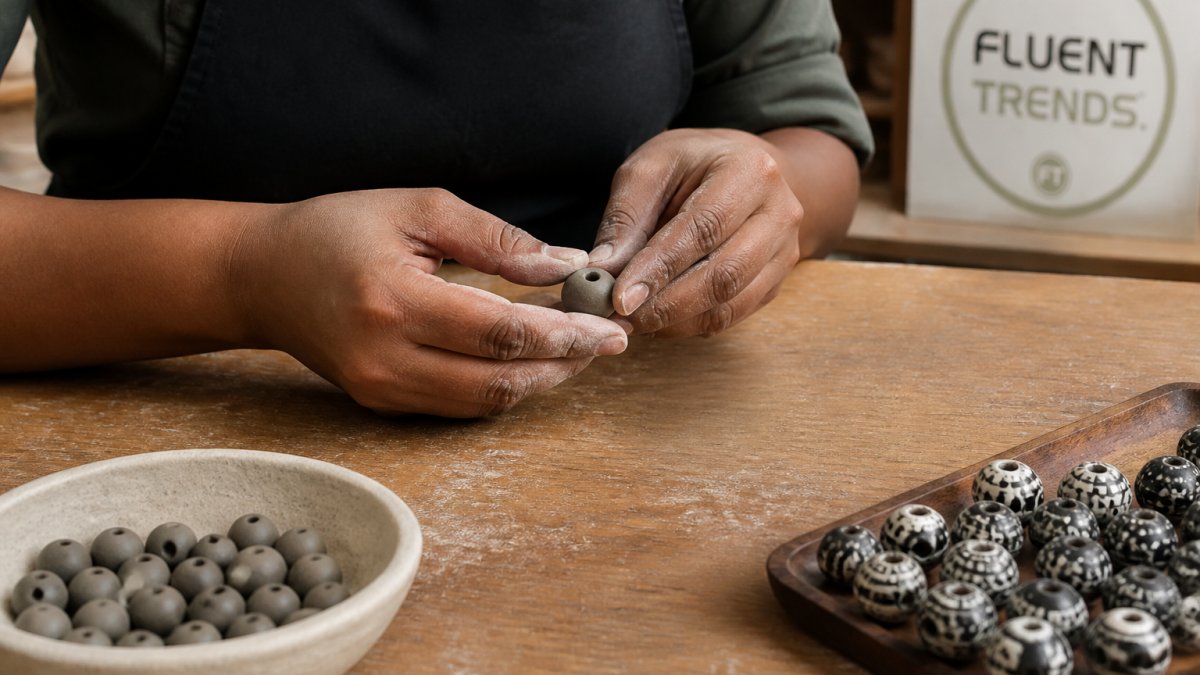
Consider what happens when a craft tradition dies. The knowledge disappears. The community loses its identity. Young people have no reason to stay. Artisan-made home decor reverses this cycle. When demand exists, teaching the craft becomes valuable again.
Take the women artisans at Kazuri in Kenya. They shape clay beads using methods refined over decades. Each bead requires skill. Each pattern tells a story. The Sefone Black and White Artisan Earrings and Sefone Black and White Artisan Bracelet showcase this exact work. These aren't generic pieces. They're cultural preservation in wearable form.

Hand embroidered scarves from Kashmir work the same way. Artisans blend wool and silk using techniques their grandmothers used. The Canyon Hand Embroidered Hand Woven Merino Silk Soft Scarf represents this commitment. The 85% wool and 15% silk blend creates durability. The hand embroidery adds artistry mass production will never match.
When artisan-made home decor stays in demand, entire communities benefit. Younger generations see a future in their heritage crafts. Families stay together. Skills transfer naturally instead of being lost.
How Ethical Sourcing for Home Decor Strengthens Communities
Ethical sourcing for home decor is not a slogan. It is a set of decisions you can actually check. A set of decisions you can actually check builds real community strength.
Start with consent. A reputable purveyor can show that a community agreed to produce a design. Not just a workshop owner. The people who hold the knowledge. Ask whether the pattern is sacred, seasonal, or restricted. A good partner says no when a design should not be sold. That answer protects the community more than any marketing claim.
Next comes attribution. Who gets named when a piece sells? Ethical sourcing means the maker or community is credited in the product story. Not hidden behind a generic label. When buyers know the origin, they value the work more. That recognition flows back to the community as pride and repeat demand.
Benefit-sharing is the third pillar. It means the community gains beyond a one-time payment. A common pattern is a percentage set aside for tools, training, or a community fund. You do need to know the structure exists. Reputable purveyors document these arrangements before production begins.
Then there is cultural appropriation. Ethical sourcing draws a line between inspiration and copying. Copying takes a sacred symbol and sells it without context. Respectful use asks permission, pays for it, and names the source. Makers who skip this step damage the very communities they claim to support.
Finally, verification. Fair wages and safe conditions are claims until someone checks them. Reputable purveyors use third-party audits and long-term relationships. We source from these established networks rather than buying blind. That is how ethical sourcing for home decor actually strengthens communities. It turns good intentions into accountable practice.
Traditional Craftsmanship as Cultural Identity
Your identity is shaped by what you make and what your community creates. Traditional craftsmanship isn't just a job. It's how people understand who they are.
When someone learns to weave like their mother did, they're learning history. They're absorbing cultural values embedded in technique. Every knot carries meaning. Every pattern reflects something about their heritage. This knowledge is irreplaceable.
Global makers support cultural heritage because their craft IS their culture. A potter in Portugal isn't just making bowls. She's continuing a lineage. An embroiderer in India isn't decorating fabric. She's expressing her community's aesthetic and values. This distinction is crucial.
Mass production erases this connection. Factory workers don't learn heritage. They execute standardized processes. The cultural meaning disappears. Traditional craftsmanship preserves it.
When you choose pieces that represent genuine cultural identity, you're voting for a specific kind of world. You're saying that heritage matters. You're saying that people's connection to their traditions has value. This choice ripples outward. It tells younger artisans that their path is worth pursuing.
Hand-printed textiles like the Hand-Printed Ashbury Dress exemplify this principle. Each piece is unique because it's made by hand in Jaipur. The psychedelic tulip print reflects artistic vision, not algorithmic design. The 100% cotton construction prioritizes durability and breathability. This is clothing with cultural roots.

Sustainable Home Decor Protects Heritage for Future Generations
Sustainable home decor and cultural preservation are inseparable.
Sustainability in handcrafted work means using materials that last. Sheesham wood, for example, scores around 1,410 lbf on the Janka hardness scale. That's significantly harder than teak at roughly 1,000 lbf. Once properly seasoned, sheesham resists warping and splitting for decades. The joints stay tight. The wood protects itself against dry-wood termites and fungi through natural compounds in its heartwood.
This durability matters economically. When a piece lasts 30 years instead of 3, the cost per year drops dramatically. Families pass pieces down. Craftsmanship becomes an heirloom investment rather than disposable consumption.
Sustainable home decor also protects the environment where artisans live. When production methods emphasize low waste and natural materials, local ecosystems stay intact. Communities maintain the natural resources their crafts depend on. Organic cotton, wool, and plant-based fibers can be sourced responsibly. Acacia wood and sheesham wood grow in regions where artisans work. Protecting these materials means protecting their livelihoods.
Sefone Black and White Artisan Earrings →
Portugal-woven bedding uses traditional methods that minimize chemical processing. OEKO-Tex certification ensures that materials meet strict environmental and safety standards.
When you prioritize sustainable pieces, you're funding the continuation of heritage crafts. You're making it economically viable for artisans to maintain their communities. Future generations inherit both the craft and the cultural identity attached to it.
The Economic Reality Behind Heritage Preservation
Here's what people often miss about why global makers support cultural heritage: money is the foundation. Without viable income, traditions don't survive.
An artisan earning fair wages can afford to teach their children the craft. They can invest in quality materials. They can maintain their workspace. They can turn down exploitative offers. Economic stability creates the conditions where cultural preservation becomes possible.
Global makers support cultural heritage because it's their economic survival strategy. It's not noble sacrifice. It's rational self-interest aligned with cultural preservation. When handmade work pays better than factory jobs, young people choose to stay. When their families benefit, they choose to learn.
This is why ethical sourcing matters more than charity. Charity is temporary. Fair wages are sustainable. When artisans earn what their work is worth, they build businesses. They hire apprentices. They invest in their communities. The economic engine that keeps traditions alive gets stronger.
The pieces Fluent Trends sources reflect this economic reality. The Sefone Black and White Artisan Bracelet supports women artisans at Kazuri. The Canyon Hand Embroidered Hand Woven Merino Silk Soft Scarf provides income to artisan communities in Kashmir. These aren't discounted goods. They're fairly priced because fair pricing is what makes heritage preservation possible.

Building Cross-Cultural Connections Through Handcrafted Goods
Handcrafted goods create bridges between cultures in ways mass production never can. When you own something made by specific hands in a specific place, you develop curiosity about that place and those people.
This connection matters. It builds mutual understanding. It makes cultural heritage feel real instead of abstract. You're not learning about a distant tradition. You're wearing it. You're living with it. You're supporting the people who maintain it.
Global makers support cultural heritage partly because they see international demand. When customers from around the world value their work, it validates their choice to continue practicing. It proves that their traditions have relevance beyond their immediate community. This external recognition strengthens internal commitment.
Cross-cultural connections also protect against cultural erasure. When only local people appreciate a tradition, it can feel endangered. When global audiences recognize its value, the tradition gains advocates everywhere. This broader support makes governments and institutions more likely to protect heritage sites and support preservation initiatives.
The Hand-Printed Ashbury Dress connects you directly to artisans in Jaipur. Wearing it starts conversations. People ask where it's from. You explain the hand-printing process. The cultural knowledge spreads. That's how traditions survive in a globalized world.
Real Impact: What Your Purchase Actually Supports
You can measure impact if you know which signals to look for. Here is a practical way to do it.
Start with participation. Are young people learning the craft? A healthy tradition has apprentices. If a workshop has no one under thirty, the knowledge is at risk. Ask whether training is part of the business model. When it is, your purchase funds the next generation, not just this season.
Look at access. Does the community control its own designs and materials? Communities that own their patterns and supply chains keep more value. Those that only provide labor lose it. Reputable purveyors can tell you who holds the intellectual property. That single answer reveals a lot.
Check livelihoods. Fair wages are the baseline. But stable income matters more than a single order. A common pattern is repeat production that lets a workshop plan ahead. Predictable orders support hiring, tool investment, and material buying. One-off orders do not.
Then there is preservation. Does the work keep a technique alive that would otherwise fade? Some crafts survive only because demand exists. Bone inlay furniture and boucle furniture are good examples. Both rely on skilled hands and steady orders. When you buy them, you fund the technique itself.
Materials tell a story too. Sustainably sourced wood and organic cotton signal a supply chain that respects the community's environment. Sheesham wood scores around 1,410 lbf on the Janka hardness scale. That is harder than teak at roughly 1,000 lbf. Once properly seasoned, it resists warping and splitting for decades. The heartwood also fights dry-wood termites and fungi naturally. Durable materials mean fewer replacements and less waste.
Finally, ask about documentation. Good partners track where materials come from and how pieces are made. That record is how impact gets verified instead of assumed. It also protects against cultural appropriation because the source is named.
This is the practical side of why global makers support cultural heritage. It is not abstract. It is measurable. And your purchase is part of the equation.
Frequently Asked Questions
How can buying artisan-made goods support cultural heritage?
When you purchase artisan-made pieces, you're funding the continuation of traditional techniques. Makers earn fair wages that allow them to teach the next generation their craft. Your purchase directly supports cultural practices that might otherwise fade. Handcrafted items preserve knowledge and skills passed down through families and communities, keeping cultural identity alive and thriving.
Why do global makers prioritize cultural heritage preservation?
Global makers understand their craft represents centuries of community knowledge and identity. They see themselves as custodians of cultural practices, not just producers. Heritage preservation gives their work meaning beyond commerce. Supporting cultural heritage creates economic stability for their communities while ensuring traditional methods survive and adapt for modern life.
What makes ethical sourcing for home decor different from regular shopping?
Ethical sourcing means verifying that artisans receive fair compensation and work in safe conditions. It involves tracing materials back to their origin and ensuring sustainable practices throughout production. Regular shopping often obscures these details. When you choose ethically sourced pieces, you know exactly who made your item and how your money benefits them and their community.
How does sustainable home decor protect cultural heritage?
Sustainable practices use traditional, low-waste techniques that have preserved communities for generations. These methods require skilled artisans and knowledge of natural materials. When demand exists for sustainable goods, artisans can continue practicing heritage crafts full-time. This economic viability ensures cultural knowledge transfers to younger generations instead of disappearing as people seek factory jobs.