

Best Hypoallergenic Pillowcase Sets for Allergies
Yuatinia LeakLast Updated: October 23, 2026
Quick Summary
Hypoallergenic pillowcase sets use tightly woven fabrics like milk fibre, lyocell, and organic cotton to block dust mites and allergens from reaching your face while you sleep. The dense weave creates a physical barrier that stops particles without trapping heat or moisture, reducing nighttime congestion and skin irritation.
- Wash your hypoallergenic pillowcase set every 1-2 weeks in cold water to prevent allergen buildup.
- Milk fibre pillowcases match your skin's pH level and retain moisture naturally for sensitive skin.
- Look for OEKO-Tex certification to confirm the fabric has been tested for harmful chemicals.
- A complete two-case set protects both pillows so you don't breathe allergens from an unprotected side.
- Replace your pillow insert every 18-24 months when internal allergen load tends to peak.
Table of Contents
- What Makes a Pillowcase Hypoallergenic
- How Dust Mites and Allergens Affect Sleep
- Fabric Weave and Allergen Barriers Explained
- Best Pillowcases for Allergies: Material Comparison
- Silk Pillowcases for Allergies: Mulberry and Merino Benefits
- Organic Cotton Pillowcases for Allergy Relief
- How to Wash Pillowcases for Allergies
- Pillowcase Sets Worth the Investment
- Frequently Asked Questions
What Makes a Pillowcase Hypoallergenic
A hypoallergenic pillowcase is fabric engineered to block dust mites, allergens, and skin irritants. The key is a tight weave that creates a barrier without trapping heat or moisture.
Most standard pillowcases let dust mites and their waste pass right through. Hypoallergenic versions use densely woven fabric that stops these particles at the surface. The material stays breathable so you don't wake up sweating.
Think of it like a filter. Regular cotton lets everything through. Hypoallergenic fabric catches what triggers your allergies while still feeling soft against your skin.
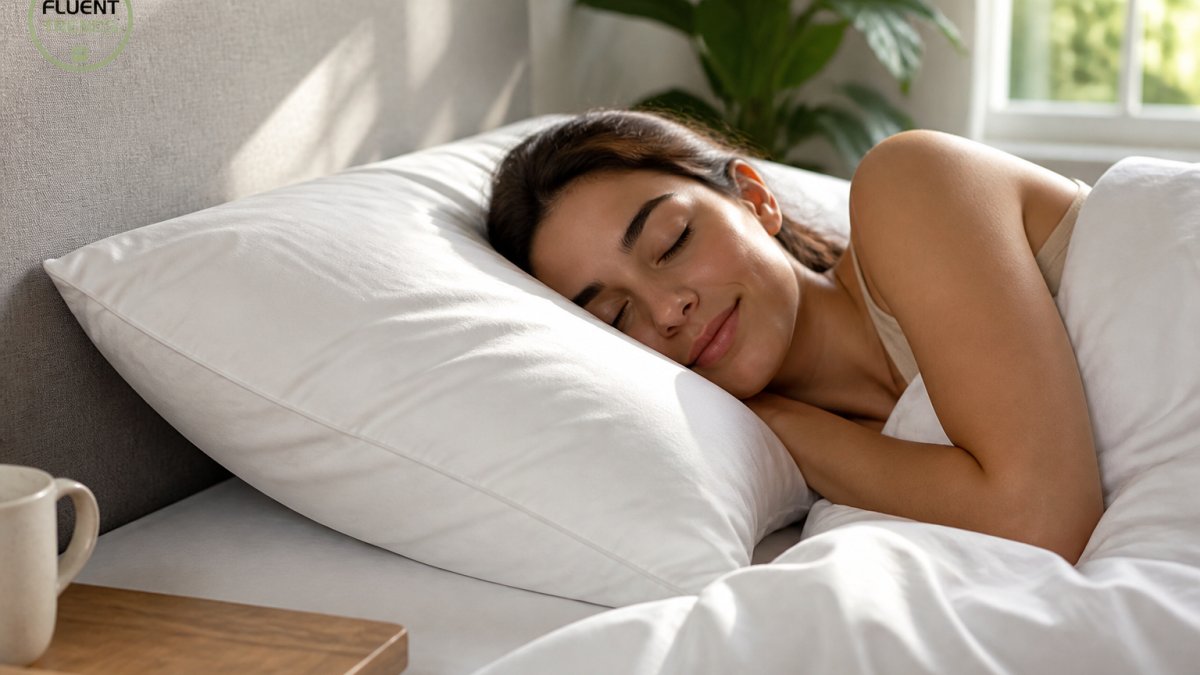
The best hypoallergenic pillowcase sets combine tight weaves with naturally allergen-resistant materials. Milk fibre, organic cotton, and lyocell all work well for different reasons. We'll explore each option so you can pick what fits your needs.
How Dust Mites and Allergens Affect Sleep
Dust mites are tiny arachnids that live in bedding, upholstery, and carpet. They do not bite you. The problem is their waste. Each mite produces particles that contain proteins. Those proteins are the allergens that trigger your symptoms.
The particles are small enough to become airborne when you move in bed. You breathe them in through your nose and mouth all night. Your immune system treats the protein as a threat. That is why you wake up congested, itchy, or wheezing.
Here is the part most articles skip. The allergen particle is roughly 10 to 40 microns across. A standard cotton pillowcase weave has gaps large enough for those particles to pass through. A tightly woven hypoallergenic fabric has smaller gaps. That is the whole mechanism in one sentence.
So a hypoallergenic pillowcase set does not kill mites. It puts a physical barrier between the mite waste inside your pillow and your face. Fewer particles reach your airway. Fewer symptoms follow.
Most practitioners find that barrier protection works best when paired with regular washing. Wash your set every one to two weeks in warm water. The heat helps break down residual allergen proteins. Cold water is gentler on milk fibre and silk, so follow the care label.
One more thing people miss. Your pillow insert itself holds dust mites. A pillowcase set slows the buildup on the surface you touch. But replace your pillow insert every 18 to 24 months. That is when the internal allergen load tends to peak.
If you have asthma or severe allergies, talk to your doctor about a full encasement strategy. A pillowcase set is one layer. Zippered encasements on the mattress and pillows add another. Together they reduce the allergen reservoir in your bed.
Fabric Weave and Allergen Barriers Explained
The thread count and weave pattern determine how well a pillowcase blocks allergens. A tight weave means threads are packed close together. Dust mites and their waste can't slip through the gaps.
Standard cotton pillowcases typically have a weave that allows particles to pass. Hypoallergenic versions use a much tighter construction. The fabric feels dense without feeling stiff or uncomfortable.
Pore size matters here. The smaller the pores, the better the barrier. But if pores get too small, the fabric stops breathing and traps heat. The best hypoallergenic pillowcase sets balance protection with breathability.
Lyocell and bamboo viscose naturally have smaller pores than regular cotton. That's why they work well for allergies without extra processing. Milk fibre and casein also create tight weaves while staying soft.
Look at the material blend, not just the thread count. A 300-thread count hypoallergenic pillowcase often outperforms a 600-thread count regular one. The fabric type matters more than the number.
Best Pillowcases for Allergies: Material Comparison
Milk Fibre and Casein for Sensitive Skin
Milk fibre comes from casein, a natural protein in milk. Learn why casein pillowcases deserve your investment for allergy relief. It matches your skin's pH level, so your pillowcase works with your skin instead of against it.
Most fabrics pull moisture away from your face at night. Casein does the opposite. It retains moisture naturally, keeping your skin hydrated while you sleep. This matters if you have dry, sensitive skin that reacts to everything. Selecting the right textiles remains a critical step in managing irritation, as understanding the unique properties of various fabrics for sensitive skin ensures your bedding works in harmony with your body.
The Signature Milk Fibre Pillowcase Set from our collection uses a blend of milk fibre, organic cotton, and beechwood micromodal. This combination gives you a breathable surface that stays soft wash after wash. The Portugal-woven construction adds durability that lasts years.
Milk fibre pillowcases have natural antibacterial properties. That means fewer bacteria growing on the surface. Your sleep environment stays cleaner without chemical treatments.
The envelope enclosure keeps your pillow secure. Hand-sewn embroidery adds a refined touch to your bedroom. These pillowcases come in standard and king sizes to fit your pillow perfectly.
Explore the milk fibre pillowcase set mentioned in the article's material comparison section.

Lyocell and Bamboo Viscose Options
Lyocell comes from wood pulp processed into soft fibres. TENCEL is a brand name for lyocell made from sustainably managed forests. It feels silky and smooth without harsh chemical processing.
Lyocell creates a naturally tight weave. The fabric blocks dust mites and allergens without feeling stiff. It also regulates temperature well, so you stay cool through the night.
Bamboo viscose works similarly. It's made from bamboo processed into soft fibres. The fabric has a smooth feel and naturally smaller pores than regular cotton. Both lyocell and bamboo viscose are breathable and hypoallergenic.
Our Silky Lyocell Pillowcase Set uses TENCEL lyocell with an envelope closure. The fabric provides a deliciously cool feel against your cheek. It reduces friction against skin and hair, so you wake up without creases or tangles.
The Premium Bamboo Viscose Pillowcase Set offers a similar benefit at a lower price point. Both come OEKO-Tex certified, meaning they're tested for harmful chemicals. Both are machine washable and durable.
Lyocell and bamboo viscose pillowcases suit people who run hot at night. They wick moisture away from your skin. If you wake up damp or overheated, these materials help you sleep cooler.
Silk Pillowcases for Allergies: Mulberry and Merino Benefits
Silk is naturally hypoallergenic and gentle on sensitive skin. Mulberry silk is the highest grade, made from silkworms fed exclusively on mulberry leaves. The fibres are longer and stronger, creating a smoother surface.
Merino silk blends silk with merino wool. This combination offers benefits of both materials. Merino regulates temperature and wicks moisture. Silk adds softness and reduces friction.
Signature Milk Fibre Pillowcase Set | Portugal Woven Bedding →
Habotai silk is a lighter weight option. It's breathable and smooth. Many people prefer habotai for warm climates because it feels less heavy than mulberry silk.
Silk pillowcases reduce friction against your face and hair. You wake up without sleep creases or tangled hair. For people with sensitive skin, the smooth surface means less irritation overnight.
Our Lavender Bloom 100% Mulberry Silk Scarf and Canyon Hand Woven Merino Silk Soft Scarf showcase the different benefits of these materials. Mulberry silk feels luxurious and smooth. Merino silk offers temperature regulation with softness.
Silk pillowcases cost more than cotton or lyocell. But they last longer if cared for properly. Many people find the investment worth it for the comfort and allergy relief they provide.
Organic Cotton Pillowcases for Allergy Relief
Organic cotton is grown without synthetic pesticides or fertilisers. Explore our organic cotton bedspread that pairs beautifully with hypoallergenic pillowcase sets. It's softer than regular cotton because the fibres aren't treated with harsh chemicals. This matters for sensitive skin.
Unbleached organic cotton retains its natural colour. It's gentler on skin than bleached versions. Many people with allergies find unbleached cotton easier to tolerate.
Organic cotton pillowcases need to be tightly woven to block allergens effectively. Loose weaves let dust mites and particles pass through. Look for pillowcases with a dense, smooth weave.
Organic cotton pillowcases are more affordable than silk or specialty materials. They're also easier to care for. Machine wash in cold water and tumble dry low to maintain the fabric.
Organic cotton works well for people who prefer natural materials. It's breathable, soft, and hypoallergenic when properly woven. The fabric improves with washing, becoming softer over time.
How to Wash Pillowcases for Allergies
Washing your pillowcases regularly keeps allergens from building up. Wash them every 1-2 weeks in cold water. Hot water can damage delicate fabrics like silk or lyocell.
Use a gentle detergent without perfumes or dyes. Strong chemicals irritate sensitive skin. Look for hypoallergenic laundry products designed for delicate fabrics.
Don't use fabric softener. It leaves a coating that traps allergens. Your pillowcase stays cleaner without it.
Tumble dry on low heat. High heat damages elastic and weakens fibres. Air drying is gentler but takes longer. Most people find low heat the best balance between speed and durability.
Milk fibre pillowcases need extra care. Wash in cold water and avoid bleach. The casein fibres are delicate. Proper care keeps them soft and effective for years.
Silk pillowcases require hand washing or a delicate machine cycle. Use cool water and minimal agitation. Lay flat to dry. Never wring or twist silk fabric.
Lyocell and bamboo viscose handle machine washing well. Use cold water and a gentle cycle. These fabrics are more durable than silk but still need care.
Iron on low heat if needed. Many hypoallergenic pillowcases don't need ironing. The smooth fabrics dry wrinkle-free or nearly so.
Pillowcase Sets Worth the Investment
A quality hypoallergenic pillowcase set lasts years with proper care. You're not buying a temporary fix. You're investing in better sleep and healthier skin.
Look for sets that include two pillowcases. Standard size fits most pillows. King or cal king size works for larger pillows. Check your pillow dimensions before ordering.
The best sets combine hypoallergenic materials with thoughtful design. An envelope closure keeps your pillow secure. Hand-sewn details add durability and beauty.
Our Signature Milk Fibre Pillowcase Set at $78 offers exceptional value. You get milk fibre's pH-balancing benefits plus Portugal-woven construction. The set includes two pillowcases in your choice of sizes and colours.
The Silky Lyocell Pillowcase Set at $64 provides cool comfort and allergen protection. OEKO-Tex certification confirms the fabric is tested for harmful chemicals. The smooth lyocell surface reduces friction against your face and hair.
The Premium Bamboo Viscose Pillowcase Set at $44 delivers hypoallergenic protection at an accessible price. Bamboo viscose is naturally breathable and soft. OEKO-Tex certification ensures quality and safety.
Our Eucalyptus Lyocell Silk Sheet Set at $150 includes two pillowcases plus fitted and flat sheets. The 400-thread count eucalyptus lyocell is hypoallergenic and cooling. This set transforms your entire sleep environment.
Each set represents our commitment to sourcing from reputable purveyors. We work with makers who prioritise quality and ethics. Your pillowcase set supports sustainable practices and fair wages.
| Pillowcase Set | Price | Material | Best For | Key Feature |
|---|---|---|---|---|
| Signature Milk Fibre | $78 | Milk fibre, cotton, micromodal | Sensitive skin | pH-balanced, moisture-retaining |
| Silky Lyocell | $64 | TENCEL lyocell | Cool sleepers | Smooth, friction-reducing |
| Premium Bamboo Viscose | $44 | Bamboo viscose | Budget-conscious | Breathable, hypoallergenic |
| Eucalyptus Lyocell Silk Sheet Set | $150 | Eucalyptus lyocell | Full sleep refresh | Includes sheets plus pillowcases |
These sets represent different price points and materials. Choose based on your skin type, sleep temperature, and budget. All offer genuine hypoallergenic protection.
Better sleep starts with the right pillowcase. If you wake up congested, itchy, or with irritated skin, a hypoallergenic pillowcase set can change that. We've curated options at Fluent Trends that combine genuine allergen protection with thoughtful design. Our Signature Milk Fibre Pillowcase Set delivers pH-balanced comfort for sensitive skin. The Silky Lyocell option keeps you cool while blocking allergens. Start with the material that matches your needs, then experience the difference a quality pillowcase makes to your nightly rest.
Frequently Asked Questions
Are silk pillowcases good for allergies?
Silk pillowcases reduce friction against skin and hair, which helps with irritation. Mulberry and Merino silk varieties offer smooth, breathable surfaces that resist dust mites better than rougher fabrics. They work best paired with regular washing every 7 to 10 days to remove accumulated allergens and skin cells.
What's the difference between a pillowcase and an allergy pillow protector?
A standard pillowcase is decorative and sits on top of your pillow. An allergy protector is a zippered encasement that fully encloses your pillow with a tightly woven fabric designed to block dust mites and allergens. Many people use both: a protective encasement underneath, then a soft pillowcase on top for comfort.
How often should you wash pillowcases if you have allergies?
Wash hypoallergenic pillowcases every 7 to 10 days in cold water. This removes dust mites, skin cells, and other allergens that accumulate overnight. Use gentle detergent and tumble dry on low heat to preserve the fabric's integrity and maintain its barrier effectiveness over time.
Do hypoallergenic pillowcases actually help with dust mite allergies?
Yes, when paired with proper washing routines. Tightly woven fabrics create a physical barrier that blocks dust mites and their allergens from passing through. Materials like milk fibre with casein protein and OEKO-Tex certified fabrics offer added protection. They work best as part of a broader allergy management strategy, not as a standalone solution.
