

Buy Ethically Made Artisan Furniture: A Buyer's Guide
Yuatinia LeakTable of Contents
- What Defines Ethically Made Artisan Furniture
- Materials That Matter: Non-Toxic and Sustainable Choices
- How to Identify Authentic Artisan Craftsmanship
- Certifications and Standards That Verify Ethics
- Spotting Greenwashing and Marketing Claims
- Best Ethical Home Decor Online Shops
- Durability, Longevity, and Circular Design
- Frequently Asked Questions
What Defines Ethically Made Artisan Furniture
Ethically made artisan furniture represents a commitment to craftsmanship, fair labor practices, and environmental responsibility. This furniture is handcrafted by skilled artisans who receive fair wages and work in safe conditions. The production process prioritizes sustainable materials and low-impact manufacturing techniques that respect both people and planet.
When you buy ethically made artisan furniture, you're investing in pieces built to last decades. Traditional construction methods replace mass production shortcuts. Each item carries the maker's skill and intention into your home.
The distinction matters. Conventional furniture manufacturing often relies on synthetic materials, toxic finishes, and labor practices that exploit workers in developing regions. Ethical production flips this model entirely. Artisans maintain creative control over their work. Supply chains remain transparent and traceable. Materials come from responsibly managed sources.
At Fluent Trends, we've curated a collection of ethically made artisan furniture that reflects these values. Our pieces support women-owned businesses and global makers committed to sustainable practices. We believe your home should tell a story of intentional choices, not compromise.
The price premium reflects reality. Handcrafted quality costs more than injection-molded alternatives. Artisans deserve compensation that honors their expertise. Fair wages in developing economies significantly exceed sweatshop rates. Sustainable materials command higher prices than their toxic counterparts. This transparency matters. You're not paying for marketing. You're paying for genuine craft and genuine ethics.
Materials That Matter: Non-Toxic and Sustainable Choices
The materials you choose directly impact indoor air quality, durability, and environmental footprint. Ethical furniture prioritizes natural, renewable, and responsibly sourced materials over synthetic alternatives.
FSC-Certified Wood and Solid Wood Construction
FSC-certified wood comes from forests managed according to strict environmental and social standards (fsc.org). The Forest Stewardship Council verifies that timber is harvested sustainably without destroying ecosystems or displacing indigenous communities. When you buy ethically made artisan furniture made from FSC-certified wood, you support responsible forestry practices.
Solid wood construction differs fundamentally from veneered or particle board alternatives. Solid wood develops character over time. It can be repaired, refinished, and passed down through generations. Veneered pieces deteriorate when the veneer separates or scratches expose the substrate beneath.
Mango wood has become popular in ethical furniture production. It's harvested from trees that have finished producing fruit. This approach uses trees that would otherwise be discarded. The wood is dense, durable, and beautiful. It resists warping and splitting better than softer woods. Artisans can carve intricate details into mango wood without compromising structural integrity.
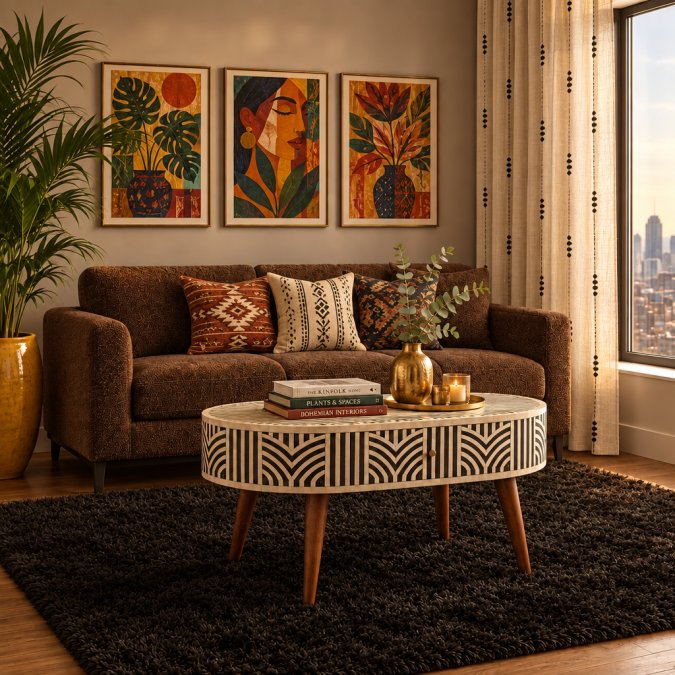
The Edessa Bone Inlay Coffee Table exemplifies this approach. Crafted from 100% solid mango wood with a natural oak finish, it features ethically sourced bone inlay from naturally deceased animals. The Nordic-style legs provide modern stability while the solid construction ensures longevity. This piece works as both functional furniture and artistic statement.
:::pro-tip Inspect the grain pattern and weight before purchasing solid wood furniture. Dense wood that feels substantial indicates quality construction. Light, hollow pieces suggest particle board or low-grade veneer underneath. :::
Natural Fibers and Organic Textiles
Upholstered furniture should feature natural fibers rather than synthetic alternatives. Organic cotton, wool, linen, and jute breathe naturally and resist off-gassing harmful chemicals. Synthetic fabrics often contain flame retardants and other chemical treatments that compromise indoor air quality.
GOTS certification verifies organic textiles (global-standard.org). The Global Organic Textile Standard ensures that cotton was grown without synthetic pesticides and processed without toxic chemicals. OEKO-TEX certification tests textiles for harmful substances. Both certifications provide third-party verification of material safety.
Wool offers natural fire resistance without chemical flame retardants. It's durable, naturally antimicrobial, and regulates temperature effectively. Linen and jute provide similar benefits with different aesthetic qualities. These natural fibers age gracefully. They develop patina and character rather than deteriorating.
When evaluating upholstered pieces, ask about the fill material. Natural latex, kapok, and wool batting are superior to polyurethane foam. Natural materials breathe better and maintain their shape longer. They're also biodegradable at end-of-life.
How to Identify Authentic Artisan Craftsmanship
Distinguishing genuine artisan work from mass-produced imitations requires understanding what authentic craftsmanship looks like. Handmade furniture displays intentional variations. Machine-made pieces show identical precision across every unit.
Handcrafted Details and Heirloom Quality
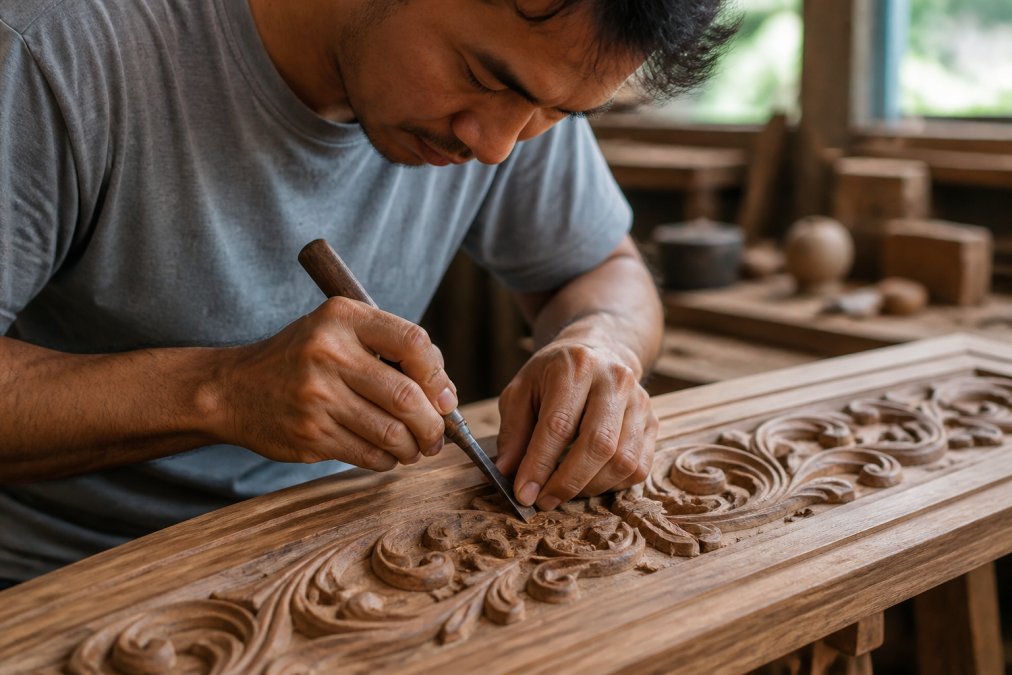
Handcrafted furniture reveals its maker's decisions. Wood grain patterns are never perfectly symmetrical. Joinery shows the artisan's technique. Finishes vary subtly from piece to piece. These variations indicate authenticity. They prove a human created the work.
Heirloom quality means the piece will function beautifully for fifty years or more. Construction prioritizes longevity over cost reduction. Joints are reinforced. Hardware is solid metal, not plated plastic. Finishes penetrate the material rather than sitting on the surface.
Examine the underside and back of furniture. Mass production hides corners. Ethical artisans finish every surface. Drawers have solid bottoms, not particle board. Joinery uses mortise and tenon joints or dovetails rather than staples and glue. These details matter because they determine whether your furniture lasts decades or falls apart within years.
The Solid Wood Ribbed Bedside Table with Brass Accents demonstrates heirloom construction. Made from 100% solid mango wood with warm amber oak finish, it features ribbed drawer fronts and slender brass handles. The solid construction and refined details signal furniture designed for longevity.

Supply Chain Transparency and Fair Wages
Ethical makers disclose their supply chains. You should know where materials come from and who made your furniture. Transparency builds trust. It proves the brand has nothing to hide.
Fair wages vary by region and skill level. An artisan in Southeast Asia earning $8 per hour is paid fairly in that economy. The same wage in a developed country would be inadequate. Ethical brands understand regional economics. They pay above-market rates to attract skilled workers and demonstrate commitment to community well-being.
Ask potential sellers about their makers. Request information about working conditions, wage structures, and labor practices. Legitimate ethical brands answer these questions readily. Vague responses or deflections suggest greenwashing. Demand specificity. Ethical production isn't proprietary information. verify ethical claims.
Certifications and Standards That Verify Ethics
Third-party certifications provide independent verification of ethical claims. They replace empty marketing language with measurable standards.
FSC certification proves sustainable forestry practices. The standard requires environmental protection, respect for indigenous rights, and community engagement. Certified operations undergo regular audits. The certification is transferable and traceable from forest to finished product.
CertiPUR-US certifies foam and polyurethane products (certipur.us). It verifies that foams are free from harmful chemicals including ozone depleters, PBDEs, and formaldehyde. For upholstered pieces, this certification matters significantly.
GOTS and OEKO-TEX certifications verify textile safety. GOTS covers the entire organic cotton supply chain from farm to finished fabric. OEKO-TEX tests finished textiles for harmful substances. Both prevent toxic chemicals from entering your home.
Fair Trade certification verifies ethical labor practices and community benefits. It ensures workers receive fair compensation and work in safe conditions. Fair Trade also requires that a portion of profits benefit community development projects.
Look for these certifications on product pages and documentation. Legitimate brands display them prominently. They understand that certifications build buyer confidence. If a brand claims ethical production but displays no certifications, question why.
Spotting Greenwashing and Marketing Claims
Greenwashing uses environmental language to appear ethical without substantive change. It's marketing disguised as commitment. Learning to spot it protects both your wallet and your values.
Common greenwashing tactics include using nature imagery and earth tones to suggest environmental responsibility. A brand might highlight one sustainable practice while ignoring dozens of harmful ones. They use vague language like "eco-friendly" or "natural" without specific meaning. They emphasize their newest sustainable line while the rest of their production remains unchanged.
The most effective greenwashing includes a grain of truth. A furniture maker might source 10% of materials sustainably, then market the entire collection as ethical. They might use one certified material while surrounding it with conventional alternatives. This partial truth makes the deception harder to detect.
Verify claims independently. Request documentation. Ask for specific metrics. "We've reduced waste" means nothing. "We've reduced waste by 40% since 2024" means something. Ethical brands provide numbers. They cite certifications. They name their makers and share their stories.
Compare prices across sellers. If one brand's ethically made artisan furniture costs significantly less than competitors, question why. Ethical production has real costs. Suspiciously low prices suggest corners are being cut somewhere. Either materials aren't what they claim, labor practices aren't what they claim, or both.
Best Ethical Home Decor Online Shops
Finding authentic ethical home decor requires knowing where to look. The best shops combine curation with transparency.
1. Fluent Trends, Our curated collection prioritizes handcrafted pieces from women-owned businesses and global artisans. We verify every maker's ethical practices and provide transparent supply chain information. Our Artisan Collection features solid wood furniture, bone inlay pieces, and textiles crafted using traditional methods. The Amber Wavefront Artisan Solid Wood Sideboard exemplifies our commitment. Hand-carved from 100% solid mango wood in warm Amber Oak, this statement piece combines sustainable sourcing with heirloom construction. At $1,454.98, it represents investment-quality furniture built to last generations.

2. Local artisan studios and maker collectives, Supporting artisans directly eliminates middlemen and ensures maximum compensation reaches makers. Many communities have furniture makers working from studios. Visiting in person lets you inspect craftsmanship, meet makers, and understand their process. You'll pay no markup beyond the maker's direct costs.
3. Fair trade cooperatives, Organizations like Ten Thousand Villages and similar fair trade networks connect artisans directly to buyers. These platforms verify ethical practices and ensure fair compensation. Pieces typically feature cultural significance alongside functional design.
4. Certified sustainable furniture brands, Established brands with FSC, Fair Trade, and textile certifications offer reliable ethical options. Their scale allows competitive pricing while maintaining standards. Research their certifications before purchasing.
Shop Type |
Best For |
Transparency Level |
Price Range |
|---|---|---|---|
Direct artisan studios |
Supporting makers directly, unique pieces |
Very high |
Variable |
Fair trade cooperatives |
Cultural significance, verified ethics |
High |
$200-$2,000 |
Certified sustainable brands |
Reliable standards, design consistency |
High |
$400-$3,000 |
Curated collections like Fluent Trends |
Vetted selection, editorial curation |
High |
$500-$2,000 |
Durability, Longevity, and Circular Design
True sustainability means furniture lasts. A piece lasting fifty years has dramatically lower environmental impact than one replaced every five years. Durability is the ultimate sustainability metric.
Solid wood construction enables repair and refinishing. A wooden table with a damaged finish can be sanded and refinished. A veneer-covered particle board table cannot. The difference determines whether your furniture becomes heirloom quality or landfill waste.
Circular design considers end-of-life from the beginning. Materials should be recyclable or biodegradable. Hardware should be removable. Construction should allow disassembly without destroying components. Artisans trained in traditional techniques understand these principles instinctively.
Invest in pieces you genuinely love. Furniture kept for decades because it's beloved has lower environmental impact than trendy pieces replaced regularly. Choose timeless design over fashion. Select colors and styles that will feel relevant in ten years, not just this season.
When you buy ethically made artisan furniture, you're making a statement about the world you want to live in. You're saying that craftsmanship matters. Fair wages matter. Environmental responsibility matters. That tradition and skill deserve respect and investment.
Fluent Trends exists to make these choices accessible. Our curated collection connects you directly with artisans and makers committed to ethical production. Every piece tells a story of skilled hands, sustainable materials, and intentional design. Shop our Artisan Collection and discover furniture that elevates your space while honoring the people and planet behind every detail.
Frequently Asked Questions
What certifications should I look for when buying ethically made artisan furniture?
Look for FSC-certified wood, CertiPUR-US for foam, GOTS certification for organic textiles, and OEKO-TEX for non-toxic finishes. Third-party certifications verify that materials come from sustainable sources and production meets ethical labor standards. Ask sellers for documentation or certificates before purchasing ethically made artisan furniture.
How can I verify that artisan furniture is actually handcrafted and not mass-produced?
Authentic artisan craftsmanship shows inconsistencies, unique details, and variations that machines cannot replicate. Request detailed photos of the piece and ask makers about their production process, tools, and timeline. Real artisans share their story, workshop location, and labor practices. Small-batch production and limited replenishment are signs of genuine handcrafted work.
Why is ethically made furniture more expensive than conventional options?
Ethical production costs more because it prioritizes fair wages, sustainable materials, and artisanal techniques over speed and volume. Handcrafted pieces require skilled labor, time, and quality materials like FSC-certified wood and organic textiles. The higher price reflects durability, heirloom quality, and support for global makers. These pieces last decades, reducing long-term cost.
What happens to artisan furniture at the end of its life?
Quality artisan furniture supports circular economy principles through durability and repairability. Solid wood pieces can be refinished or upcycled into new items. Natural materials like organic cotton and wool biodegrade without toxic residue. Choose pieces designed for longevity and ask makers about repair services or take-back programs that extend the product lifecycle.
This article was written using GrandRanker