

Difference Between Bone China And Porcelain Explained
Donna MaloneBone china and porcelain each bring something unique to the table—literally. Bone china’s addition of 30–45% bone ash delivers a delicate translucency and whisper-light weight. Porcelain, on the other hand, leans on kaolin clay and feldspar fired at high heat for a pure, sturdy finish without the premium tag.
Key Differences Between Bone China And Porcelain
Here’s a closer look at how these two ceramics compare in five critical areas:
-
Composition
Bone china combines china clay, china stone and a hefty dose of bone ash for that warm-white glow. Porcelain opts for a straightforward mix of kaolin-rich clay and feldspar, fired till it’s bright-white and robust. -
Translucency
Under a gentle backlight, bone china almost seems to disappear—it’s that thin. Porcelain still lights up, but you’ll notice a more restrained, milky radiance. -
Strength
Despite its delicate profile, bone china’s flexibility helps it resist chips along the rim. Porcelain’s dense body gives it hardness, though a hard knock can still nick the edges. -
Whiteness
Expect bone china to shine with a soft ivory hue. Porcelain, by contrast, offers a crisp, cool white that feels clean and modern. -
Price
Because of its complex formula and labor, bone china often carries a 20–50% premium. Porcelain remains the budget-friendly workhorse of everyday dinnerware.
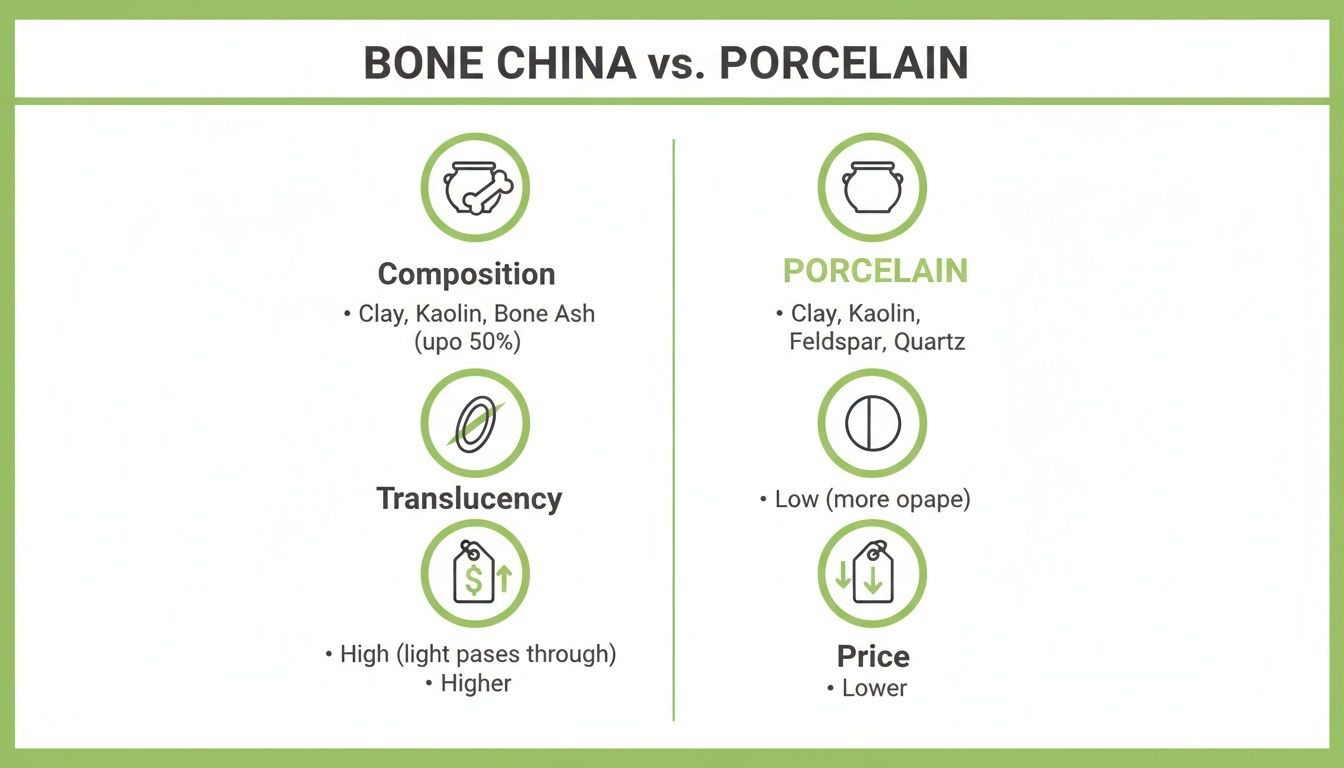
This graphic makes it obvious: bone china wins on translucency and finesse, while porcelain holds its own for durability and cost.
Below is a quick reference table to sum up the essentials.
Summary Of Key Differences
| Criteria | Bone China | Porcelain |
|---|---|---|
| Composition | Clay + china stone + bone ash | Kaolin clay + feldspar |
| Translucency | High, almost paper-thin glow | Medium, gentle radiance |
| Strength | Flexible, chip-resistant | Hard, occasional edge chips |
| Price | Higher (20–50% premium) | More budget-friendly |
Use this snapshot when deciding whether you need the showstopper shine of bone china or the everyday reliability of porcelain.
When To Use Each Material
For weddings, upscale dinners or a refined tea service, bone china’s subtle glow and slim profile truly stand out. If you’re setting a table for busy family meals, weekend brunches or high-volume catering, porcelain’s sturdiness and easier price point make it the smarter pick.
Practical Recommendation
If you’re driven by a desire to impress and don’t mind investing a bit more, bone china will repay you in style. For most kitchens—especially those that see daily use—porcelain offers a reliable balance of cost, strength and ease of care.
Expert Insight
“Porcelain’s balanced durability makes it ideal when budget and strength matter most.”
Seasoned chefs and event planners often reserve porcelain for heavy-traffic settings, while bone china shines under the spotlight of special occasions.
Next Steps
Browse the Fluent Trends Product Catalog to match specific dinnerware features with your event size, style preferences and care requirements.
Understanding Composition And Manufacturing
Bone china and porcelain spring from two rich ceramic traditions—and their distinct recipes reveal why they perform so differently. Around 1800, Josiah Spode the Second in England stumbled onto a blend that would set a new standard: six parts bone ash, four parts china stone, and three and a half parts china clay. That same formula still defines top-tier bone china today. For a deeper dive into this origin story, check out 28Ceramics.
This graphic walks you through the bone china process—from raw ingredients to finished piece—highlighting how bone ash weaves into the clay for that signature translucency.
Raw Materials And Regional Techniques
Across England, makers would calcine animal bones at high heat, turning them into bone ash crystals that lend bone china its warm-white hue and strength. Meanwhile, porcelain in Jingdezhen relies on local kaolin clay and porcelain stone—materials shaped by centuries of Chinese craftsmanship.
Consider these core formulas:
-
Bone China Blend
• 30–45% bone ash for warmth and translucency
• Lower kiln temperatures safeguard ash structure
• Fine particles produce paper-thin walls -
Porcelain Composition
• Kaolin mixed with feldspar and silica
• Fired above 1,300 °C for full vitrification
• Densely glass-like body, nearly impervious to water
Kilns vary too: England’s bottle kilns focus on steady, enclosed heat, while China’s dragon kilns use sloped chambers and natural draft. These differences shape subtle shifts in color and strength.
“Bone ash transforms a standard ceramic body into something uniquely thin and luminous.”
Firing And Finishing Processes
Porcelain typically goes through one high-temperature firing, which fuses the body to near glass. Afterward, artisans sort pieces for warp corrections and then apply any decorative glazes.
Bone china takes a two-step journey:
-
Biscuit Firing: Hardens the form.
-
Glost Firing: Seals with glaze, locking in that clear, bright surface.
This extra stage explains why bone china can command a 20–50% price premium over porcelain.
A small batch of bone china mugs might require about 24 hours—baking, cooling, re-baking—while a porcelain set often finishes in a single 12-hour cycle.
Finishing touches diverge as well. Porcelain often features intricate hand-painting under a low-temperature seal, whereas bone china frequently uses decals topped by a glossy overglaze.
| Material | Firing Stages | Temperature |
|---|---|---|
| Bone China | Biscuit + Glost | 1200–1250 °C |
| Porcelain | Single Vitrification | 1300–1450 °C |
This table lays out how firing stages and temperatures distinguish each ware. By grasping these manufacturing nuances and associated costs, you’ll be ready to choose the perfect ceramic for any dining occasion.
Next up: how these origins influence everyday performance—translucency, strength, and more.
Comparing Physical Properties
Bone china and porcelain, though born from the same ceramic family, behave in distinctly different ways. A closer look at translucency, weight, strength and whiteness reveals why one might grace a wedding table while the other thrives in a busy café.
Bone china’s secret lies in 30–45% bone ash, giving it that signature jade-like glow and paper-thin profile.
-
Translucency: nearly ethereal when backlit
-
Weight: featherlight, easing wrist fatigue
-
Strength: flexible rims that shrug off small knocks
-
Whiteness: warm ivory tone for an inviting table
Porcelain, by contrast, is pure clay fired above 1,300 °C, creating a denser, glassy finish in crisp white. These material nuances ripple across every dining scenario—from intimate home meals to large-scale catering.
Consider where each shines:
-
At a formal dinner, bone china’s slender silhouette and soft glow make courses feel elevated.
-
Outdoor brunches lean on porcelain’s resistance to sudden temperature swings and casual handling.
-
Rental services favor porcelain for its stackable, robust edges—fewer replacements, less hassle.
Translucency And Weight
Tap a bone china plate and you’ll hear a clear, high-pitched ring; porcelain responds with a richer, deeper tone. Hold them to the light and bone china almost vanishes, while porcelain radiates a gentle, milky glow.
| Property | Bone China | Porcelain |
|---|---|---|
| Translucency | Very high, nearly transparent | Moderate, gentle radiance |
| Weight | Lightweight, easy to lift | Noticeably heavier, more substantial |
Strength And Thermal Performance
Bone china’s delicate feel masks its edge resilience—the bone ash fibers flex under impact instead of chipping. Porcelain’s fully vitrified clay makes it tougher overall, though a sharp knock can still nick the rim.
Key Insight: Porcelain excels at thermal shock resistance, so you can move it from oven to table without worry.
In restaurant kitchens, chefs prize porcelain for its heat retention—perfect for sizzling entrées. Bone china cools faster, making it ideal for showcasing chilled desserts and delicate pastries.
Visual Comparison Of Materials
The screenshot below shows the microscopic structure of porcelain’s vitrified body.
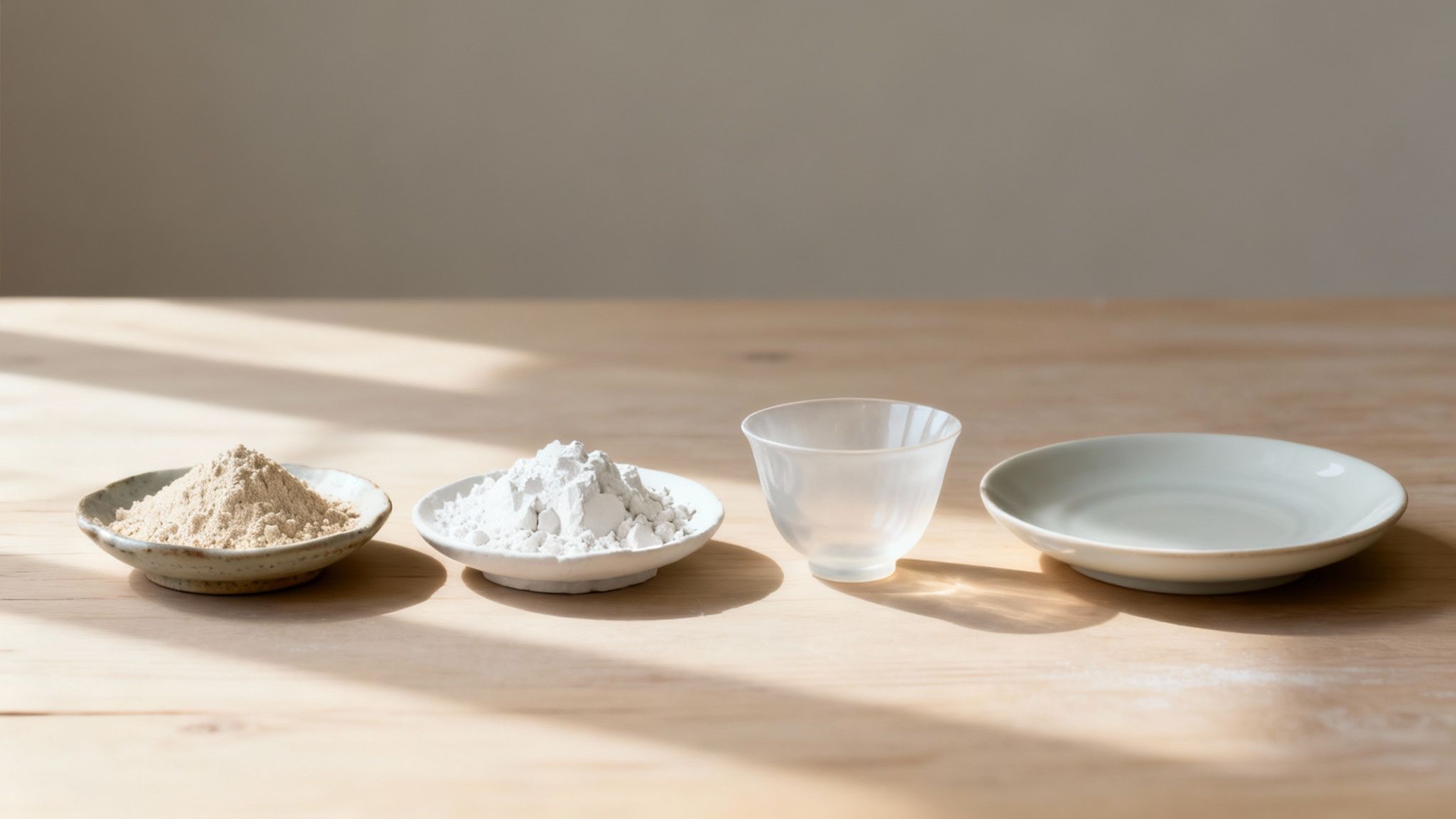
In practice, bone china’s ivory warmth contrasts with porcelain’s stark white. Mixing both styles can add depth and versatility to your tabletop.
-
For upscale dinner parties, choose bone china for elegance and those translucent edges.
-
When everyday practicality comes first, porcelain offers durability and superior heat retention.
-
Combine both in layered settings to balance cozy warmth with modern crispness.
Check out our guide on stoneware vs porcelain dinnerware to expand your knowledge.
Fluent Trends curates collections tailored to both materials, helping you find the perfect match for every occasion.
Durability And Care
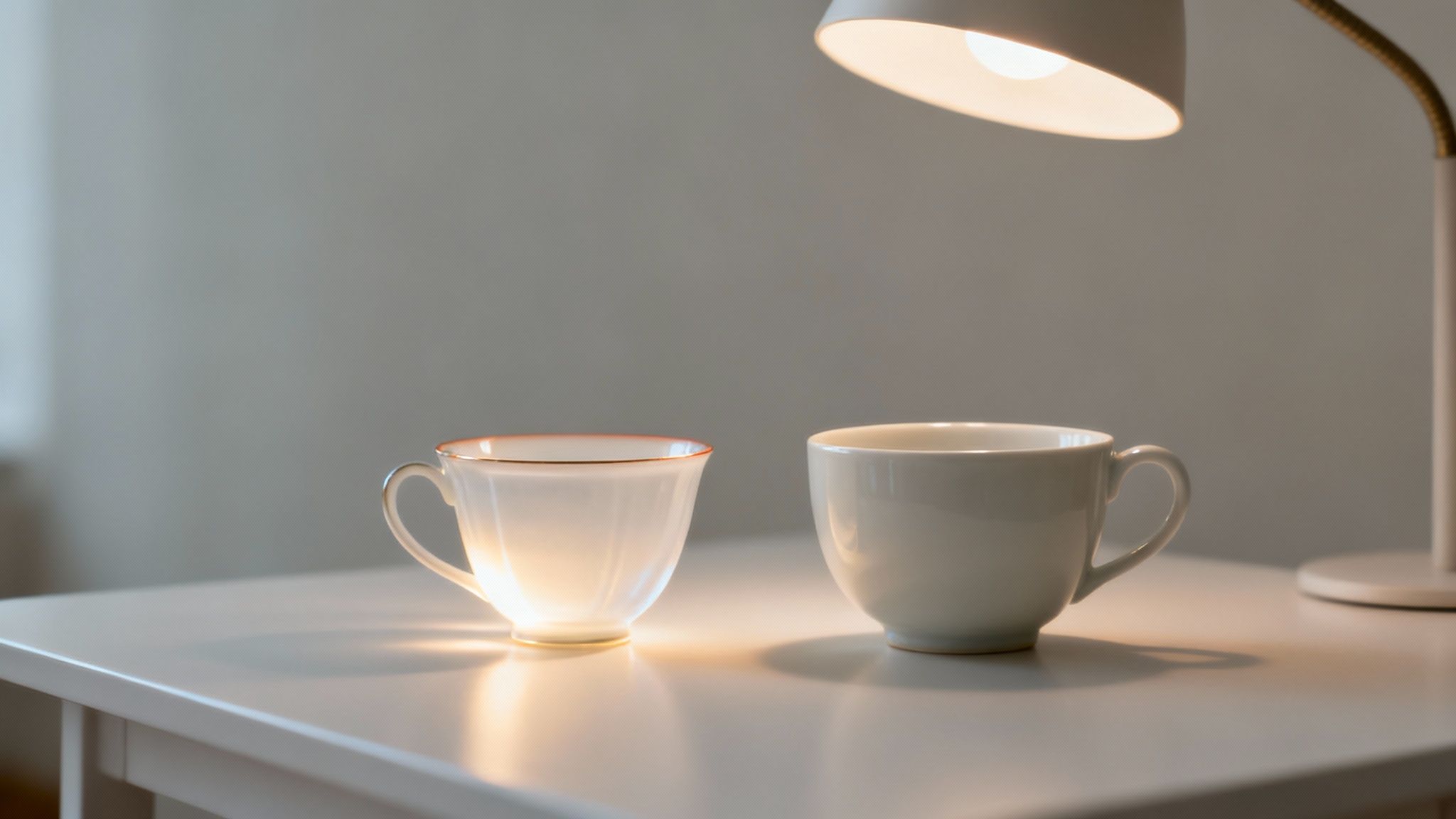
Keeping your dinnerware looking its best comes down to knowing how bone china and porcelain respond to different cleaning and storage routines. It’s not just about soap and water—small adjustments in temperature and handling go a long way.
Cleaning Guidelines
Start with a gentle approach. A soft cloth and a phosphate-free detergent protect glazes without leaving fine scratches.
-
Never exceed 50°C (122°F) cycles for bone china; sudden heat kills its delicate structure.
-
Porcelain stands up to warmer washes—up to 65°C (149°F)—and a soft-bristled brush for stuck-on debris.
-
Steer clear of abrasive pads or harsh chemicals that can dull surfaces over time.
Storage And Protection
| Feature | Bone China | Porcelain |
|---|---|---|
| Temperature Care | Avoid sudden changes over 20°C range | Handles swings up to 30°C |
| Padding | Felt interlayers protect fragile rims | Foam pads or paper protect edges |
| Stack Height | Max 5 plates to reduce pressure | Up to 8 plates with separators |
Slip a piece of felt or paper between stacked plates to guard against chips. This simple step preserves that showroom finish.
Consider how you use each piece. In a busy café’s breakfast shift, porcelain mugs survive repeated stacking without a flinch. Meanwhile, bone china shines at a formal dinner, where its fine edges catch the light—and the admiration.
“Regular inspection and gentle cleaning extend any set’s lifespan by 30%,” says a restoration expert.
Best Practices And Repair Tips
-
Rinse immediately if you’ve served citrus or tomato-based dishes to prevent etching.
-
Let each piece air-dry on a soft rack—no towels needed—to avoid water spots.
-
Fill minor chips with a food-safe ceramic compound, following the label’s instructions.
-
Swap metal utensils for silicone or nylon tools, keeping rims scratch-free.
Mix these steps into your routine, and both china types will respond with years of reliable performance.
Choosing Care Products
A few smart choices in cleaning gear keep tasks simple and effective.
-
Soft microfiber cloths glide over glazes without abrasion.
-
Mild, non-abrasive solutions lift grease while preserving shine.
Matching your tools to the item’s hardness makes a world of difference. Over five years, investing in proper gear can extend a set’s life by 25%.
For everyday ease, porcelain handles daily knocks and hot cycles with minimal fuss. When you’re hosting an elegant affair, bone china rewards careful handling with a sparkle that guests will notice.
Key Takeaway Both bone china and porcelain stand the test of time when you respect their quirks, follow these practices consistently, and choose the right products for each material.
Price And Value Analysis
Deciding between bone china and porcelain often boils down to upfront cost versus lasting appeal. Bone china comes with a premium tag, thanks to its special ingredients and careful finishing. Porcelain, on the other hand, thrives on efficiency and scale, making it friendlier to tighter budgets.
Key Cost Drivers for Bone China:
-
Bone Ash Cost – Quality bone ash is pricier than standard clay mixes.
-
Dual Firing – A second kiln run adds both energy and labor expenses.
-
Hand Finishing – Detailed inspections and artisanal touches take time.
-
Limited Editions – Exclusive runs and designer collaborations push prices higher.
Typically, bone china sets retail prices 20–50% above comparable porcelain collections. Porcelain’s mass production allows brands to offer larger sets at lower per-piece rates, ideal for everyday dining and commercial catering.
Market Trends And Projections
In 2024, global porcelain tableware sales hit $10.32 billion, driven by restaurant demand and home cooks stocking up on durable dishware.
Bone china occupies a smaller slice of the market but shows impressive momentum. Its sales leapt from $2.45 billion in 2024, with forecasts pointing to $4.12 billion by 2033. That 6.1% CAGR reflects growing interest in premium dinnerware for weddings, hotels, and gift markets.
Meanwhile, porcelain’s broader base edges up at a 5.0% CAGR, moving toward $15.56 billion by 2032. This contrast underscores porcelain’s role in high-volume settings versus bone china’s niche appeal. For a deeper dive, check the latest analysis from Fortune Business Insights.
Market Size And Growth Comparison
Below is a side-by-side look at current values and projections:
| Material | 2024 Market Value | 2032–33 Projection | CAGR |
|---|---|---|---|
| Bone China | $2.45 Billion | $4.12 Billion | 6.1% |
| Porcelain | $10.32 Billion | $15.56 Billion | 5.0% |
This table highlights how bone china’s smaller but faster-growing niche contrasts with porcelain’s widespread adoption.
Buying Guidance For Fluent Trends Customers
When you shop at Fluent Trends, aim for a mix that suits your lifestyle and events. Here’s a quick roadmap:
-
Compare per-piece prices and watch for seasonal deals.
-
Weigh how often you host formal dinners versus casual meals.
-
Read product descriptions for firing temperatures and care tips.
-
Verify hallmarks or certifications on bone china to ensure authenticity.
Consider pairing a few statement bone china pieces—like dessert plates or tea sets—with robust porcelain basics. This lets you impress guests without overspending.
“Combining signature bone china accents with everyday porcelain ware gives you elegance and practicality in equal measure.”
Don’t forget to look out for bundle discounts, loyalty rewards, and extended warranties on larger orders. These perks often tip the value scale in your favor.
Explore our full bone china and porcelain collections at Fluent Trends for exclusive designs, volume savings, and expert support. Our customer care team can help match styles to your menu, theme, and maintenance plans.
Shop now at Fluent Trends and elevate your dining experience.
Identifying Authentic Pieces And Buying Advice
Investing in dinnerware is more than picking pretty patterns. You want solid proof of genuine bone china or high-quality porcelain before the order ships out. Over time, these details make all the difference between pieces that shine and those that let you down.
Formal events—from milestone weddings to upscale catering—demand sets that look flawless under soft lighting and stand up to repeated service. That means paying attention to fragility, weight and batch-to-batch consistency before you commit.
Below are three quick checks to confirm you’re getting the real deal:
-
Hallmark Inspection – Search the unglazed base for crisp backstamps like “Royal Bone China” or “Fine Porcelain.”
-
Translucency Check – Hold each item up to natural light: bone china reveals the silhouette of your fingers; porcelain gives a gentle, milky glow.
-
Ring Test – Tap the rim lightly; bone china rings with a clear, high-pitched tone, while porcelain delivers a deeper chime.
Testing Material Authenticity
| Test | Bone China | Porcelain |
|---|---|---|
| Hallmark Stamps | Often cites 30–45% bone ash | Labeled “Porcelain” or “Fine Porcelain” |
| Translucency Level | Exceptional, almost paper-thin glow | Moderate, even radiance |
| Sound Signature | Bright, high-pitched ring | Warmer, richer tone |
Begin by inspecting the manufacturer’s stamp for that 30–45% bone ash claim. Next, shine diffused daylight through your piece to see just how translucent it really is. Authentic bone china will look nearly wafer-thin in that glow, whereas porcelain stays more uniformly radiant.
“True bone china has a musical chime when tapped—listen for something almost lyrical,” notes a veteran collector.
Situational Recommendations
For anniversary or graduation gifts, aim for sets priced at $80 or more per piece, ideally from makers who provide clear certification. If you’re outfitting a casual café or a busy family kitchen, porcelain under $20 per item often hits the sweet spot.
-
Review the retailer’s return policy before ordering in bulk.
-
Request product certificates when choosing premium bone china.
-
Explore our top picks at Fluent Trends Best Quality Dinnerware Sets for further guidance.
Blending a handful of elegant bone china accents with durable porcelain essentials creates a versatile mix. This setup works equally well for intimate afternoon teas and large-scale banquets, ensuring both style and resilience.
Finally, watch for volume discounts and loyalty programs at Fluent Trends—these can trim your overall spend by up to 15% on mixed-material orders. Start your search with confidence today.
Frequently Asked Questions
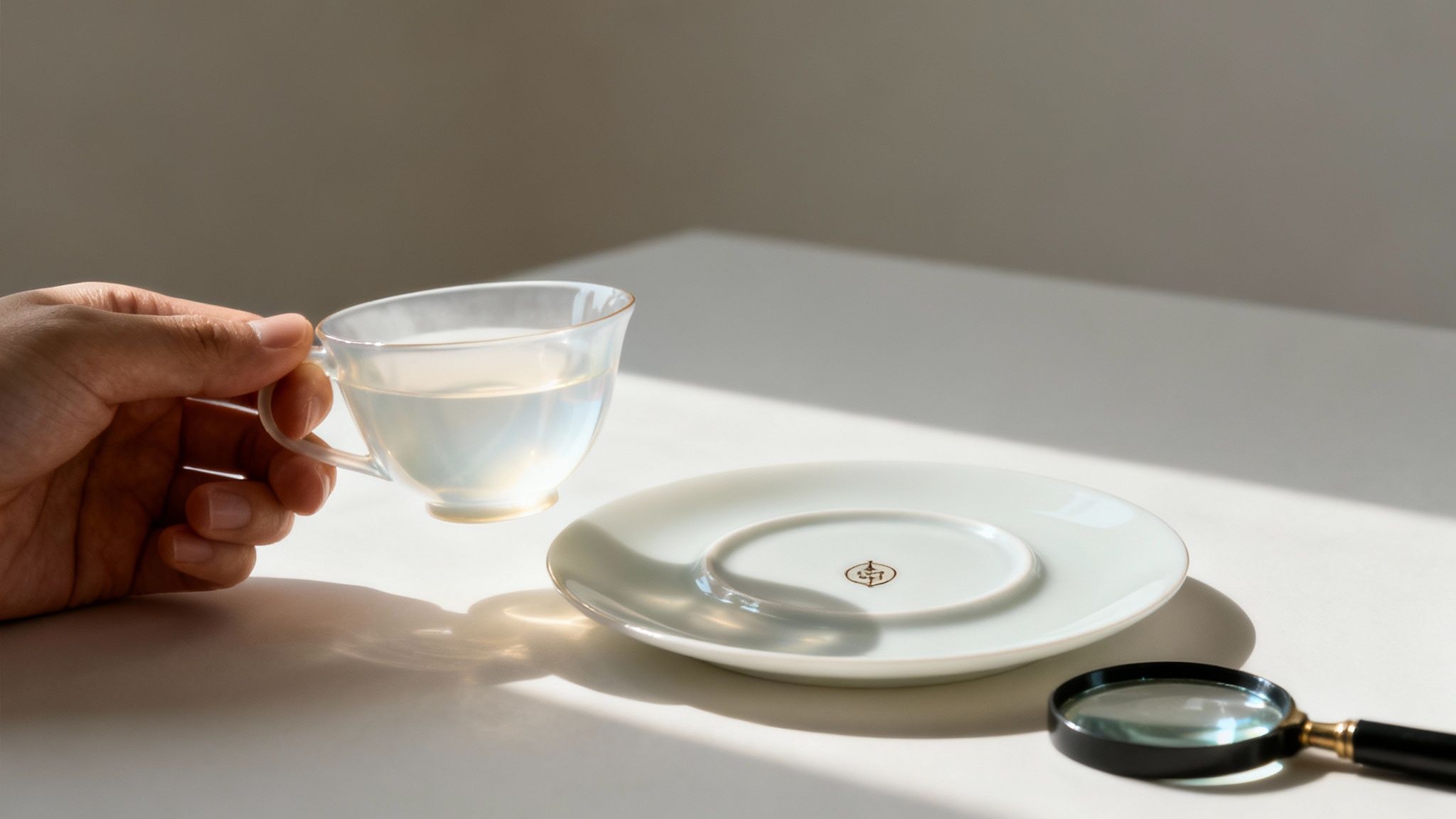
Q: Why does bone china shine brighter than porcelain?
Bone china contains about 30–45% bone ash, giving its paper-thin walls a soft, warm glow. In contrast, porcelain delivers a cooler, crisper white that feels more robust than ethereal.
Q: Is porcelain microwave-safe?
Thanks to its vitrified structure, porcelain usually handles microwaving without issue. Pieces with metallic trims or gold accents, however, should never go inside the microwave.
-
Check the manufacturer’s rating before heating.
-
Skip microwaving any decorated edges to avoid sparks.
-
Use medium power settings to protect the glaze.
Testing Authenticity
Q: How do I test for genuine bone ash?
Hold the piece against a bright lamp—true bone china almost disappears in the light. A gentle tap produces a high-pitched chime, and the base will sport a crisp backstamp confirming its origin.
| Test | Bone China Result | Porcelain Result |
|---|---|---|
| Translucency | Very high, nearly transparent | Moderate glow |
| Sound | Bright, high-pitched chime | Warm, deeper ring |
| Hallmark Stamp | “Bone China” or percentage mark | “Fine Porcelain” or plain mark |
Q: Is the higher cost of bone china worth daily use?
For milestone celebrations, that 20–50% premium brings undeniable elegance. But if you need something tough enough for every meal, porcelain often wins on durability and budget-friendly replacement.
Usage Scenarios
Here are a few real-world setups to consider:
-
Morning coffee in a porcelain mug to keep your brew hot.
-
Midday tea served in bone china cups for a refined touch.
-
Wedding receptions where stackable porcelain plates cut costs.
-
Holiday dinners showcasing bone china dessert plates for wow factor.
Key Takeaway: Blend a few bone china statement pieces with sturdy porcelain basics for both glamour and resilience.
Upgrade your tabletop game with Fluent Trends: Explore our collection