

How Do You Choose Non-Toxic Rugs for Your Home?
Yuatinia LeakLast Updated: October 24, 2026
Quick Summary
To choose non-toxic rugs, judge the whole piece, not just the face fiber. Check the backing, adhesives, dyes and finishes, because a natural wool top on a synthetic glued backing is not clean. Look for named simple materials and certifications like OEKO-TEX or GREENGUARD, then air the rug well.
- A rug is four layers: face fiber, backing, adhesives, and dyes or finishes.
- Sisal is hypoallergenic, chemical-free, and resistant to dust mites.
- GOTS covers organic fiber claims but does not test your rug's glue.
- Unroll a new rug in a ventilated room and watch the two-week mark.
- Vacuum sisal and jute with suction only and never saturate them with water.
Table of Contents
- Start With the Whole Rug, Not Just the Face Fiber
- Natural Fiber Rugs: A Practical Comparison Before You Buy
- Wool Rugs for Allergies: What the Fiber Actually Does
- Rug Certifications and Labels: What Each One Covers
- Read the Label Like a Checklist: Backing, Dyes, Adhesives, Finishes
- Off-Gassing and Indoor Air Quality: What New Rugs Release
- Room-by-Room Picks for Babies, Children, and Pets
- How to Clean Natural-Fiber Rugs Without Harsh Chemicals
- Compare These Rugs Before You Decide
- Shop the Rwanda Sisal Collection at Fluent Trends
- Frequently Asked Questions
Start With the Whole Rug, Not Just the Face Fiber
Most shoppers check the fiber of non-toxic rugs and stop there. That is the first mistake. Learning how to choose non-toxic rugs for your home means judging the entire piece, not just the wool or cotton you can touch. At Fluent Trends, we look at every layer before a rug earns a place in our curated collection.
The face fiber gets all the attention. It is soft, visible, and easy to market. But a natural wool top can sit on a synthetic backing glued with solvents. That rug is not clean, no matter what the tag says.
A rug is a stack of materials bonded together. Each layer can bring its own chemistry into your room. So you have to ask about all of them, in order.
Here is the good news. Natural fiber rugs are having a moment, and buyers are asking sharper questions. That pressure is pushing better materials onto the market.
The Four Layers That Decide How Clean a Rug Really Is
Think of a rug as four separate decisions. Get all four right and you have a genuinely low-impact floor covering.
- Face fiber: wool, cotton, jute, sisal, hemp, linen, or a synthetic like nylon or polypropylene.
- Backing: the hidden layer that gives structure. Often latex, synthetic mesh, or a fabric scrim.
- Adhesives and glues: what holds the layers together. A common source of off-gassing.
- Dyes and finishes: color, stain protection, and flame or moth treatments.
The face fiber is the one you can see. The other three are where most problems hide. A rug can pass the "natural fiber" test and still fail the backing test.
Natural Fiber Rugs: A Practical Comparison Before You Buy
Natural fiber rugs come from plants and animals, not petrochemicals. That single fact makes them a strong starting point for cleaner indoor air. But each fiber behaves differently underfoot, under furniture, and under a vacuum.
Here is how the main options stack up before you spend a dollar.
Wool, Cotton, Jute, Sisal, Hemp, and Linen Side by Side
| Fiber | Feel | Durability | Moisture | Stain Response | Shedding | Best For |
|---|---|---|---|---|---|---|
| Wool | Soft, springy | High | Moderate | Blot fast, mild soap | Light at first | Living rooms, bedrooms |
| Organic cotton | Soft, flat | Moderate | Low | Blot fast, machine wash some | Low | Nurseries, low-traffic rooms |
| Jute | Rustic, firm | Moderate | Low | Blot only, water stains | Low | Casual living spaces |
| Sisal | Textured, stiff | High | Low | Blot only, no soaking | Very low | High-traffic areas |
| Hemp | Crisp, durable | High | Moderate | Blot fast, mild soap | Low | Entryways, dining |
| Linen | Smooth, cool | Moderate | Low | Blot fast, gentle wash | Low | Light-use rooms |
Wool leads on comfort and resilience. Sisal wins on toughness. Cotton and linen feel gentlest but wear faster in busy rooms.
One fiber does not fit every room. Match the material to how the space actually gets used.
The Trade-Offs Nobody Puts in the Table
Moisture is the quiet dealbreaker. Jute and sisal absorb water slowly and can stain or warp if soaked. Wool handles damp better but stays wet longer. Cotton dries fast but wrinkles.
Stains behave differently too. Wool releases many stains with cool water and a mild soap. Plant fibers like sisal and jute can water-stain, so blot only.
Shedding is another factor. New wool rugs shed loose fibers for a few weeks. Sisal and jute shed very little.
Cleaning difficulty follows the fiber. Sisal and jute need dry methods and professional cleaning. Wool tolerates gentle spot cleaning.
Why Sisal Deserves a Closer Look
Sisal comes from the long leaves of the Agave sisalana plant. It is one of the strongest natural plant fibers available. A handwoven sisal rug is hypoallergenic, chemical-free, and resistant to dust mites. That makes it a thoughtful pick for allergy-conscious households.
Sisal also holds its shape under furniture. It resists crushing better than jute and cleans up with suction alone. The catch is water. Keep sisal dry and blot spills fast.
A Note on Blended and Treated Fibers
Some rugs blend natural and synthetic fibers to cut cost. A wool and polypropylene blend may feel soft but can off-gas from the synthetic portion. Ask for the full fiber content, not just the headline fiber.
Treatments matter as much as fiber. Stain guards, mothproofing, and flame retardants can bother sensitive people.
Next, let's talk about the fiber allergy sufferers ask about most.
Wool Rugs for Allergies: What the Fiber Actually Does
Wool rugs for allergies are often misunderstood. Wool itself is not a common allergen. The real triggers are dust mites, pet dander, and chemical residues trapped in a rug. Wool's structure helps with the first two.
Wool fibers have a natural crimp and a scaly surface. They trap dust and hold it until you vacuum. They also resist shedding moisture, which dust mites need to thrive. A dry wool rug is a hostile home for mites.
The catch is the backing and treatments. A wool rug glued to a synthetic backing can still release fumes. And moth-proofing treatments can bother sensitive people.
So the fiber is only half the story. That is where wool rugs for allergies either earn their reputation or lose it.
Rug Certifications and Labels: What Each One Covers
Rug certifications and labels are a shortcut, not a guarantee. They tell you a specific claim was checked by a specific body. They do not tell you the whole rug is safe. Read what each one actually covers.
A few labels worth knowing:
- GOTS certification: covers organic status of textiles, from fiber to finished product. Strong on cotton and wool fiber claims.
- OEKO-TEX: tests for harmful substances in textiles. It focuses on what touches your skin, not indoor air.
- GREENGUARD: focuses on low chemical emissions for indoor air quality. Relevant to backing and adhesives.
- Cradle to Cradle: looks at material health and circularity across the whole product.
Each label answers a different question. GOTS asks "is this fiber organic?" GREENGUARD asks "does this product release fumes?" They are not interchangeable.
Where Certification Claims Stop
A certification covers the scope it was written for. GOTS does not test your rug's glue. OEKO-TEX does not measure what the rug releases into the air over months. GREENGUARD does not verify that the wool was grown organically.
That gap matters. A rug can carry one label and still have a questionable backing. The label is a data point, not a verdict.
Use certifications to narrow the field. For a closer look at misleading eco-claims, read Spot Greenwashing in Home Decor: A Practical Guide. Then read the full material list yourself. The two together give you a real picture.
Read the Label Like a Checklist: Backing, Dyes, Adhesives, Finishes
Reading a rug label like a checklist is the fastest way to judge the whole piece. Most shoppers scan the fiber and stop. A checklist forces you to look at the parts that actually off-gas.
Here is the checklist we would use in a store or on a product page.
- Face fiber: named specifically, not just "natural fibers."
- Backing material: cotton, jute, or natural latex, versus synthetic mesh or PVC.
- Adhesive type: water-based or solvent-free, versus solvent-based glues.
- Dye method: plant-based, low-impact, or undyed, versus unknown synthetic dyes.
- Finishes: stain guards, flame retardants, and moth treatments listed or absent.
- Certifications: which ones, and what each one covers.
- Smell test: a strong chemical odor is a red flag, not a shipping quirk.
The backing is the layer most buyers ignore. It is also the one most likely to carry glue and synthetic latex.
Watch out: a "100% natural wool" claim can be true for the face and misleading for the whole rug. The backing and glue decide a lot of the story.
Off-Gassing and Indoor Air Quality: What New Rugs Release
Off-gassing is the release of volatile organic compounds from new materials into your air. New rugs can off-gas from adhesives, backing, dyes, and finishes. The smell you notice in a new rug is often this process at work.
Handwoven Rectangular Sisal Rug | Rwanda Artisan Collection →
Here is the part most guides skip. The fiber itself is rarely the main source. The backing, the glue, and the finishes do most of the releasing. That is why a natural wool rug on a synthetic backing can smell stronger than a plain jute flatweave.
Separate the Sources Before You Worry
Think about where the smell comes from. Latex and synthetic backings can release compounds as they cure. Solvent-based adhesives are a common culprit. Stain guards and flame retardants add another layer. Dyes matter less for air quality but more for skin contact.
Natural fiber rugs with simple backings tend to release less. Synthetic backings and solvent-based glues tend to release more. The difference is in the layers, again.
A Calm Plan for the First Two Weeks
A few practical steps reduce exposure:
- Unroll a new rug in a well-ventilated room for a few days before full use.
- Air it outside if the weather and material allow. Keep sisal and jute out of rain.
- Keep windows open during the first week.
- Choose rugs with named, simple backings and no added finishes.
- Run a fan to move air across the surface, not just the room.
Most new-rug smells fade within a few days to two weeks. That is a normal curing curve for many backings.
If It Still Smells or Irritates After Two Weeks
If a rug still smells strong after two weeks, treat that as a signal. It may need more airing, or it may not be the right piece for a bedroom or nursery.
Here is a cautious sequence. First, move it to a well-ventilated space and give it another week. Second, vacuum both sides with suction only to lift loose residues. Third, check the label for finishes you did not expect. Fourth, contact the seller with the batch or order details.
If irritation continues, stop using it in sleeping areas. Document the smell and any symptoms. Most sellers have a return window, and a documented issue is easier to resolve. Do not mask the smell with sprays or scented cleaners. That adds chemistry instead of removing it.
What Certifications Can and Cannot Tell You
Labels help here. OEKO-TEX tests for harmful substances in textiles, focusing on what touches your skin. GREENGUARD focuses on low chemical emissions for indoor air quality, which is relevant to backing and adhesives. Each answers a different question.
A certification covers the scope it was written for. GREENGUARD does not verify that the wool was grown organically. OEKO-TEX does not measure what the rug releases into the air over months. Use labels to narrow the field, then read the full material list yourself.
The Takeaway
Judge the whole rug, not just the face fiber. Ask about backing, glue, dyes, and finishes. Air it well, watch the two-week mark, and act early if something still smells. Cleaner indoor air starts with the layers you cannot see.
Room-by-Room Picks for Babies, Children, and Pets
Room-by-room selection is where a general guide becomes useful. A rug that suits a formal living room may be wrong for a nursery. Babies, kids, and pets change the math.
For a nursery, prioritize softness and low chemistry. Organic cotton or a low-pile wool rug with a simple cotton backing works well. Skip stain guards and heavy finishes near a crawling baby.
For playrooms and kids' rooms, durability matters as much as safety. Wool and sisal handle traffic and resist crushing. A washable cotton flatweave is a smart choice for messy projects.
For pet households, think about claws and accidents. Tight weaves and natural fibers hold up better than loose loops. Sisal resists dust mites and cleans up with suction, which helps in pet spaces.
For living rooms, comfort and durability carry the day. Wool and sisal are strong all-rounders.
Match the fiber to the room's real life. That one habit prevents most bad rug purchases.
How to Clean Natural-Fiber Rugs Without Harsh Chemicals
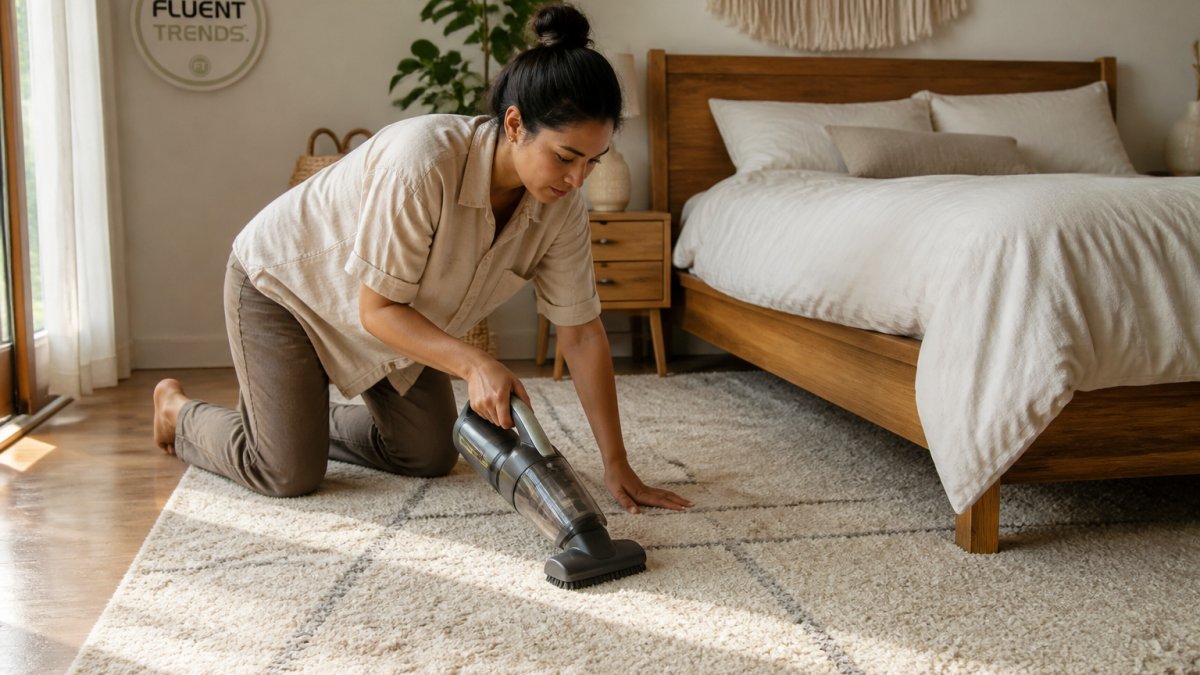
Cleaning natural-fiber rugs without harsh chemicals is simpler than most people expect. The key is to match the method to the fiber and avoid soaking. Water is the enemy of many plant fibers.
For sisal and jute, follow these rules:
- Vacuum with suction only and disengage the beater bar to protect the fibers.
- Blot spills right away with a dry cloth.
- Never saturate the rug with water, since moisture can warp or shrink the fibers.
- Rotate the piece 180 degrees every six months for even wear.
- Use professional dry cleaning for deep cleaning.
For wool and cotton, a gentle approach still wins. Vacuum regularly, blot stains, and spot clean with a mild solution. Avoid harsh detergents and heavy steam on natural backings.
A common mistake is treating a natural rug like a synthetic one. Soaking and scrubbing damage plant fibers. Gentle, dry methods keep them looking good for years.
Compare These Rugs Before You Decide
Comparing rugs side by side makes the decision concrete. Here are four pieces from our collection, each built around natural materials and careful sourcing. We source from reputable purveyors, and every piece is chosen for how it holds up in daily life.
| Rug | Material | Size | Price | Best For |
|---|---|---|---|---|
| Handwoven Rectangular Sisal Rug | Sisal | 80" x 120" | $1,400.00 | Full seating areas |
| Large Round Sisal Rug | Sisal | 98.43" diameter | $1,300.00 | Open-plan focal points |
| Medium Round Sisal Rug | Sisal | 78.74" diameter | $1,150.00 | Mid-size seating areas |
| Zapotec Checkered Rug | Wool | Made to order | $250.00 | Warm, patterned accents |
The three sisal rugs share the same strengths. Each is handwoven from authentic sisal fiber, hypoallergenic, chemical-free, and dust mite resistant. They suit allergy-conscious households and rooms that see real traffic.
The rectangular sisal rug anchors a full seating area. Its neutral tone moves easily across rustic, minimalist, and transitional interiors. The round versions create a focal point and shape furniture arrangements.
The Zapotec Checkered Rug is handwoven in Teotitlán del Valle using hand-dyed, locally grown wool. It brings warmth and pattern where you want a softer, cozier floor.
A quick word on why the materials matter. Organic cotton and wool are grown and processed with fewer harsh inputs. Acacia wood and sheesham wood, used across our furniture, are dense and built to last. Sheesham scores around 1,410 lbf on the Janka hardness scale, harder than teak at roughly 1,000 lbf. That density resists dents, warping, and pests without harsh chemical treatments. Dimensional Stability: Thanks to its density, once sheesham is properly seasoned (dried out by the manufacturer), it strongly resists warping, twisting, or splitting. The joints in a sheesham bed or dining table stay tight and secure for decades. Natural Pest Resistance: The heartwood of the tree produces natural compounds that are highly toxic to dry-wood termites and fungi. It protects itself from the inside out without requiring harsh chemical treatments.
Durability is the quiet luxury. A rug or a table that lasts decades is the most sustainable choice you can make.
Shop the Rwanda Sisal Collection at Fluent Trends
The Rwanda Sisal Collection is where this guide becomes a purchase. Each piece is handwoven from authentic sisal fiber and finished by Rwandan artisans. No two share the exact same grain or tone. By choosing our pieces, you invest in authentic craftsmanship and intentional living while enjoying unique, high-quality items built for everyday beauty. Discover a collection where every piece tells a story and helps preserve cultural heritage.
If you are ready to buy, you can shop the Handwoven Rectangular Sisal Rug | Rwanda Artisan Collection and see the full collection. It is a natural fit for allergy-conscious homes and high-traffic living spaces.

Best for: allergy-conscious households and rooms that need durable, chemical-free texture. Skip if: you want a plush, deep-pile feel underfoot.
Frequently Asked Questions
Which rug materials are considered non-toxic?
The safest picks are undyed or plant-dyed natural fibers: wool, organic cotton, jute, sisal, hemp, and linen. Wool carries natural lanolin that resists dust mites. Sisal is hypoallergenic and chemical-free when left untreated. Skip anything labeled stain-resistant or permanent-press, since those finishes add a chemical layer. Always check the backing and adhesive too, because a clean face fiber on a synthetic backing is not a non-toxic rug.
How can I tell whether a rug has harmful chemicals?
Read the full label, not just the fiber content. Watch for stain repellents, flame retardants, antimicrobial treatments, and vague terms like performance finish. A new rug should smell like clean fiber, not glue or plastic. If a listing will not name its backing, treat that as a red flag and keep looking.
Are wool rugs safer than synthetic rugs?
For most homes, yes. Wool is a natural fiber that resists dust mites and holds up for years without chemical stain treatments. Synthetic rugs are usually made from petroleum-based fibers and often carry stain guards and synthetic backing. Wool rugs for allergies work well when the rug is untreated and vacuumed regularly. One caveat: some people react to lanolin, so test a small wool swatch first.
Do new rugs release volatile organic compounds?
Some do. Volatile organic compounds, or VOCs, can come from adhesives, synthetic backing, dyes, and protective finishes. Natural-fiber rugs with no chemical treatment release far less. Air out any new rug in a ventilated room for a few days before placing it in a bedroom or nursery. If the smell lingers past a week, contact the seller and ask what the backing and adhesive contain.
Choosing a rug that is genuinely clean takes more than reading the fiber name. It takes a checklist, a close look at the backing, and a material that holds up for years. That is the standard we hold at Fluent Trends. Our pieces are built around natural fibers, dense hardwoods, and careful sourcing from reputable purveyors. Explore the collection and choose a floor covering you can feel good about. Get started with Fluent Trends and bring home a rug made to last.
