

How to Decorate My House: How to Decorate my House with Simple-Stylish Ideas
Donna MaloneThat blank-slate feeling of staring at an empty room can be paralyzing. You might be asking, "Where do I even begin to decorate my house?" But here's a little secret from the pros: a beautifully designed room isn't about one big, grand decision. It's about a series of small, thoughtful choices that build on each other.
The whole process starts with you—understanding how you live, what you love, and what you need your home to do for you. From there, we can map out a functional layout and a realistic budget before the fun part begins: picking out furniture and adding all those personal layers that make a house a home.
Starting Your Home Decorating Journey
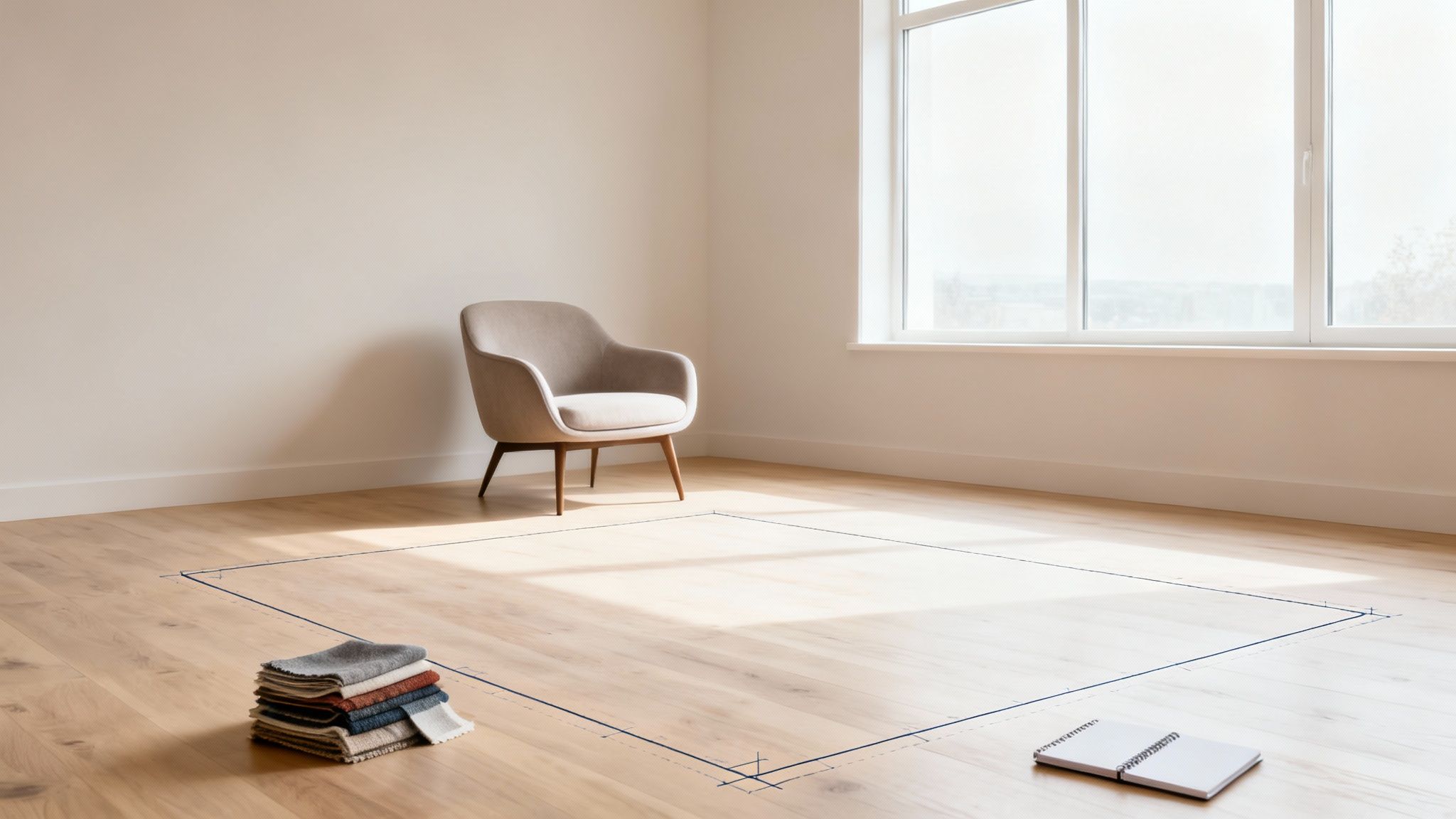
Turning an empty space into a true reflection of your personality is one of the most satisfying projects you can tackle. This isn't about following a bunch of dusty, intimidating design rules. It's about creating a backdrop for your life—a place that looks amazing, sure, but more importantly, a place that just works.
This guide will walk you through the exact process designers use, breaking it down into simple, manageable stages. We’ll start with the essentials—the groundwork that sets you up for success. By figuring out your space and your style first, every other decision becomes easier and more intentional.
Laying the Groundwork for Success
Before you fall in love with a paint chip or start scrolling through furniture websites, you need to get practical. The first, most critical step is understanding what you need the room to do.
Let’s get specific. Ask yourself:
-
Who is this room for? Is it a busy family hub that needs to withstand daily chaos, a quiet retreat just for you, or a flexible space for both work and play?
-
What will actually happen in here? If it’s movie nights, you’ll want a deep, comfy sofa. If it’s a reading corner, a good armchair and targeted lighting are key. Be honest about your daily activities.
-
What has to stay? Maybe you have a beloved piece of furniture you can't part with or an architectural quirk like an off-center fireplace. We need to work with these elements, not against them.
Thinking through this stuff first saves you from those classic decorating mistakes, like buying a gorgeous-but-delicate sofa for a home with kids and pets, or choosing a rug that's too small for the space. Function first, always.
The most successful room designs are born from a deep understanding of how the space needs to perform. Style follows function—not the other way around.
Moving from Idea to Action
Once you’ve got a handle on the practical needs, it’s time to get creative. We'll show you how to nail down your personal design style (yes, you have one!), choose a color palette that feels just right, and create a floor plan that makes the room feel open and intuitive.
You’ll also learn where to splurge and where to save, investing in those key "anchor" pieces that will last for years. Finally, we'll dive into the art of layering—adding the textiles, lighting, artwork, and accessories that bring warmth, texture, and personality to a room. This method takes the guesswork out of decorating, giving you a clear vision and a solid plan to bring it to life.
Discovering Your Personal Design Style
Before you even think about picking up a paint chip or browsing for a new sofa, we need to talk about the most important step: figuring out what you actually love. This isn't about slapping a label like "modern farmhouse" on your space and calling it a day. It's about doing a little detective work on your own life to find the common threads that make up your unique style.
Getting this part right is the foundation for a home that feels authentic and put-together. Skip it, and you risk ending up with a collection of really nice things that just don’t feel right together. We're aiming for a home that tells your story, not one that looks like it was ripped from a catalog.
Start With What You've Got
The best clues to your personal style are probably already in your home. Let's start by taking a practical look around at your current space and belongings. This isn't about judging what's there; it's about gathering intel.
-
The Bones of the Room: Take a good look at the architecture. Do you have charming built-ins, big picture windows, or quirky sloped ceilings? These aren't obstacles; they're features that should absolutely guide your design.
-
The "Must-Keeps": What furniture or decor is staying, no matter what? Maybe it’s a treasured family heirloom, a big investment piece like your sofa, or a piece of art you adore. These are your non-negotiables, your starting points.
-
A Peek in Your Closet: Seriously, open your wardrobe. What colors and textures do you gravitate towards? If you fill your closet with soft cashmeres and neutral tones, chances are you’ll feel most at home in a room with a similar vibe.
This little audit grounds your vision in reality. It helps make sure the style you're building works with the space you have and the life you live, rather than fighting against them.
Become Your Own Visual Curator
Okay, now for the fun part: collecting inspiration. But the goal here isn’t just to mindlessly scroll through pretty pictures. You need to analyze them. Tools like Pinterest are fantastic for this, but the trick is to be intentional.
Start a brand-new mood board just for this project. As you save images, ask yourself why you're drawn to each one. Is it the warm, moody lighting? The rich texture of a velvet chair? The clean, simple lines of the furniture?
Pay attention to the patterns that start showing up. After you’ve saved 20-30 images, take a step back and look for the common themes. You might realize you’ve pinned ten rooms with dark, dramatic walls, natural wood, and a touch of brass. That’s your visual DNA starting to take shape.
This is really about identifying how a space makes you feel. Do you lean towards rooms that feel calm and serene, or ones that are vibrant and buzzing with energy? Understanding that feeling is way more important than knowing the textbook design term for it.
Turn Inspiration Into an Action Plan
Once you see those patterns emerging, it’s time to turn them into something you can actually use—a few style words and a color palette. This is how you bridge the gap between a vague idea and a concrete design choice.
For instance, your mood board might reveal a love for:
-
Colors: Earthy greens, deep blues, and creamy off-whites.
-
Textures: Natural linen, worn leather, and chunky wool knits.
-
Shapes: Soft curves mixed with simple, clean lines.
-
Vibe: Calm, cozy, and connected to nature.
From that list, you can create a simple style statement: "My style is a calm, cozy blend of natural textures, earthy colors, and soft modern shapes." Think of this as your North Star. It will guide every decision you make from here on out, helping you confidently decide if that geometric-print pillow really fits your vision.
Taking the time to define your style isn't just navel-gazing; it's a smart investment. The global home decor market was valued at over USD 747 billion and is on track to blow past USD 1 trillion by 2032 for a reason. People value creating a personal, comfortable space. You can explore more on these market trends to see how preferences are evolving. When you decorate your house with this kind of intention, you're not just buying stuff—you're curating a space that genuinely makes you feel good every single day.
Creating a Smart Floor Plan and Furniture Layout
Okay, you’ve got your style dialed in. Now comes the really critical part: turning that vision into a workable blueprint for your room. A good floor plan is the secret sauce of great interior design. It’s what makes a room feel right—effortless, comfortable, and totally functional. This is where we figure out how you'll actually live in the space.
You don't need to be an architect for this. Honestly, a roll of graph paper and a measuring tape will do the trick. If you prefer digital, there are plenty of free room planning tools online. The goal is simple: get a bird's-eye view of your room down on paper, including all the important stuff like dimensions, windows, doors, and that quirky fireplace you have to work around.
Mapping Your Space for Better Flow
With your basic outline sketched out, it's time to think about movement. How will people walk through the room? A layout that works keeps these main traffic lanes clear, which usually means leaving about 30 to 36 inches of open space for major pathways. No one wants to sidle past a couch just to get to the kitchen.
Next up, think in zones. Even a wide-open living room has different functions. You might map out:
-
A central conversation area anchored by a coffee table.
-
A cozy reading nook with a comfy chair and a good lamp.
-
A dedicated spot for the kids' toys.
Sketching these zones out first saves you the backache of shoving furniture around later. It's how you discover that floating the sofa in the middle of the room, rather than pushing it against a wall, actually creates a more welcoming and dynamic space. For a deeper dive, we’ve got some great tips on how to arrange living room furniture that can make a huge difference.
Breaking down the process helps keep things from getting overwhelming.
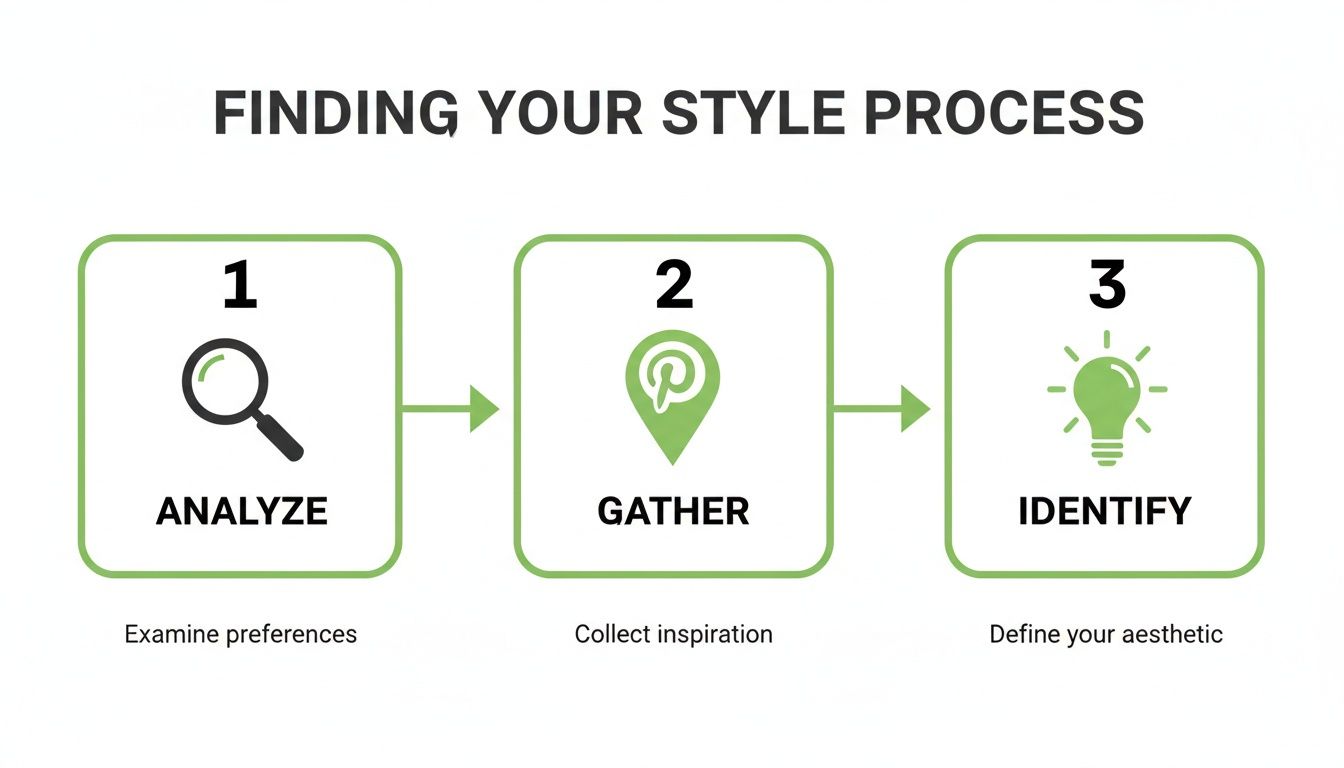
This just reinforces what experienced designers know: the real work happens before you start shopping.
Identifying and Prioritizing Anchor Pieces
Once your layout is locked in, it’s time to make a shopping list—but a strategic one. Every single room has an anchor piece. This is the big, important item that sets the tone and dictates the scale for everything else. Get this right, and the rest of the room falls into place beautifully.
The anchor piece is the star of the show; everything else is just the supporting cast. By focusing your budget and attention here first, you ensure you're investing in quality where it counts. It's also your best defense against common decorating mistakes, like falling for a gorgeous sofa that's way too big (or small) for your living room.
An anchor piece isn't just the largest item in the room; it's the functional and visual center of gravity. Prioritizing it in your budget and selection process is the single best way to ensure a cohesive and well-proportioned design.
To help you get started, here's a quick guide to what you should be prioritizing in each of the main rooms of your house.
Room-by-Room Anchor Piece Priority Guide
This table breaks down where to invest your money first to build a solid foundation for your room's design.
| Room | Primary Anchor Piece (Invest First) | Secondary Investment Pieces | Accent & Finishing Pieces |
|---|---|---|---|
| Living Room | Sofa or Sectional | Coffee Table, Accent Chairs, Rug | Side Tables, Lighting, Pillows |
| Bedroom | Bed (Frame & Mattress) | Dresser, Nightstands | Bench, Rug, Lamps, Bedding |
| Dining Room | Dining Table | Dining Chairs, Sideboard/Buffet | Lighting Fixture, Rug, Centerpiece |
Think about the bedroom, for instance. The bed is the non-negotiable anchor. Its placement will dictate where everything else can go. For some really practical advice, check out these ideas on how to arrange bedroom furniture for a perfect layout. After you’ve placed the bed, you’ll know exactly how much space you have for nightstands, a dresser, or maybe a small seating area.
This step-by-step approach ensures that every piece you bring into the room has a clear purpose and fits perfectly within the smart floor plan you created.
Layering in Lighting, Textiles, and Artwork
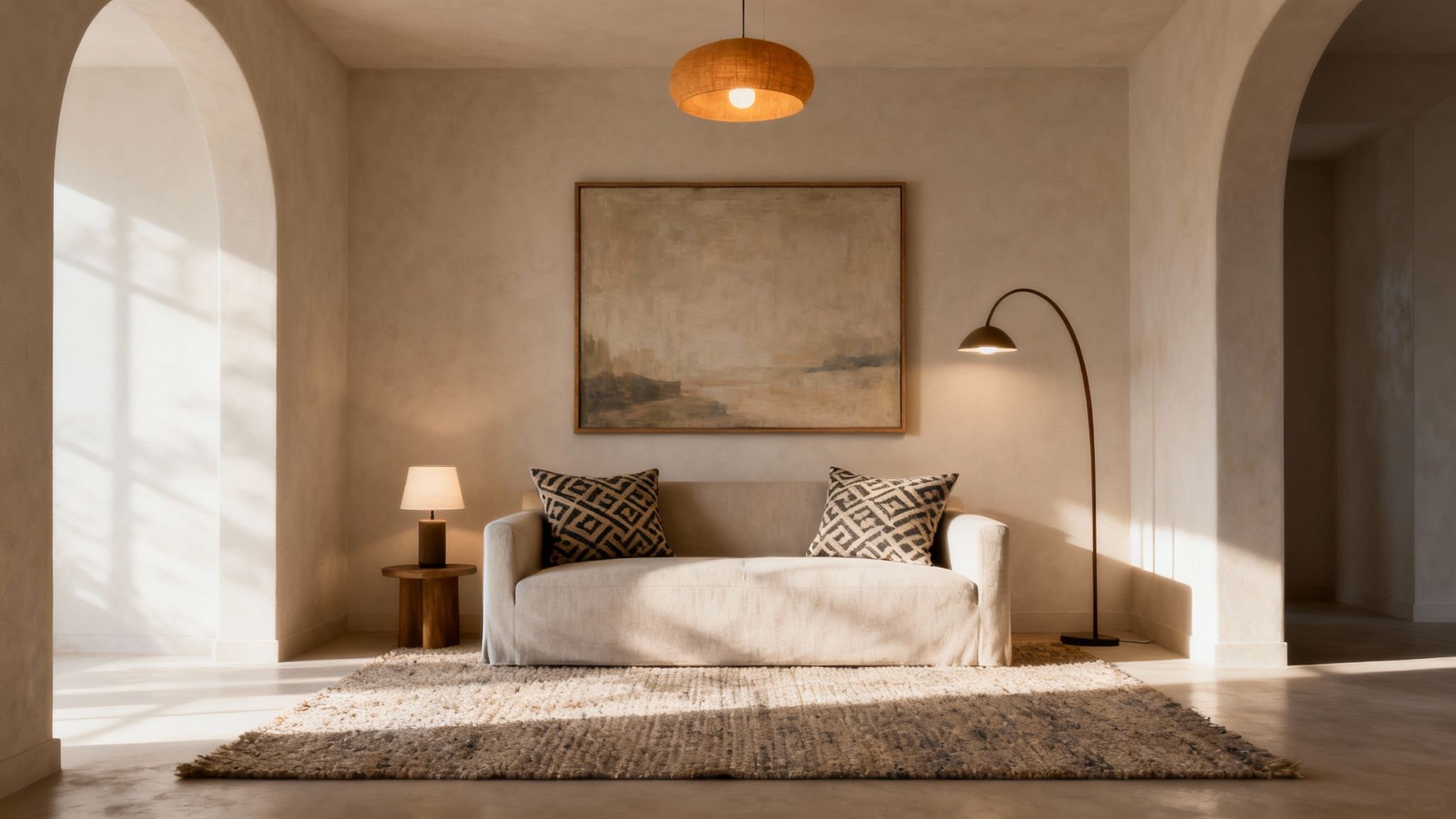
With your main furniture pieces in place, the room has its bones. Now it's time to give it a soul. This is where the magic really happens—the layering stage, where we weave in the elements that bring warmth, personality, and life to your space.
These final touches are what transform a collection of furniture into a home. Lighting, textiles, and artwork are the details that tell your story and make a space feel genuinely yours.
Master the Art of Layered Lighting
So many people overlook lighting, but it's one of the most powerful secrets to a beautifully decorated home. A single, harsh overhead light is the enemy of good ambiance. It casts unflattering shadows and makes a room feel completely flat. The real goal is to layer different light sources to create an atmosphere that’s as functional as it is inviting.
I like to think of lighting in three distinct layers:
-
Ambient Lighting: This is your room’s main light source—think chandeliers, recessed lights, or a central ceiling fixture. It provides the general illumination you need to move around safely.
-
Task Lighting: This is all about function. It's the focused light you need for specific activities, like a reading lamp by your favorite chair or under-cabinet lights that illuminate your kitchen counters.
-
Accent Lighting: This is the fun part—the jewelry of the room. Accent lighting is used to highlight the things you love, whether it's a piece of art, a cool architectural detail, or a gorgeous houseplant.
A well-designed room always uses a mix of all three. For example, your living room might have a central pendant for ambient light, a sleek floor lamp for reading, and a small uplight to cast a dramatic shadow from a fiddle-leaf fig. This approach gives you ultimate control over the mood.
Lighting is a game-changer. It can make a small room feel bigger, a vast room feel cozier, and completely shift the energy of a space with the flip of a switch. A flexible lighting plan is non-negotiable.
Add Warmth and Texture with Textiles
Textiles are your best friend when it comes to adding color, pattern, and that crucial sense of touch. They're the soft goods that make a room feel complete, absorbing sound and making the space feel instantly quieter and more serene.
Let’s start from the ground up: the rug. A great rug does more than just feel nice under your feet; it anchors all your furniture and defines the entire living area. The most common mistake I see is choosing a rug that’s way too small. As a rule, your rug should be large enough for at least the front legs of all your main furniture pieces to sit comfortably on it. This one change will make your space feel more intentional and pulled-together.
Next up: pillows and throws. This is the easiest and most budget-friendly way to inject your style and experiment with new trends. If you're nervous about mixing patterns, just follow this simple formula:
-
One large-scale pattern: This is your "hero" piece. Think a bold floral or a big geometric print.
-
One medium-scale pattern: Choose something in a complementary color but a different style, like a classic stripe.
-
One solid or textured piece: This gives the eye a place to rest. Think rich velvet, cozy linen, or a chunky knit.
This simple layering technique ensures your patterns work together beautifully, creating a look that feels curated, not chaotic.
It's also worth noting that what we value in our homes is changing. Textiles and decor are still major spending categories, but reports show that nearly 40–44% of people now prioritize sustainable and eco-friendly goods. It's not just about how things look, but what they're made of. You can read more about these home decor market insights to see how personalization and sustainability are shaping our choices.
Curate Your Walls with Artwork
Empty walls are a cry for help. Artwork is the final, essential layer that pulls your entire color palette together and lets your personality shine. Choosing and hanging art can feel a little intimidating, but a few pro tips make it a breeze.
First, think about scale. A tiny print floating on a huge wall will just look lost and sad. A good rule of thumb is to choose art that is about two-thirds the width of the furniture it's hanging above, like a sofa or a headboard. Hang it so the center of the piece is at eye level—usually around 57 to 60 inches from the floor.
If you’re creating a gallery wall, always lay your pieces out on the floor first. Play around with the arrangement until you land on a composition you love. The key to making it look cohesive is to maintain consistent spacing, about 2 to 3 inches, between each frame. Don't be afraid to mix frame styles and mediums—just find a common thread, like a consistent color or theme, to tie it all together.
Bringing It All Home: Shopping, Styling, and Making It Yours
Okay, you’ve done the hard work. Your floor plan is locked in, you know your style, and now it's time for the really exciting part—turning all that planning into reality. This is where you move from dreaming to doing, and the key is to shop smart.
A solid budget isn't a limitation; it’s your roadmap. It empowers you to spend confidently, knowing exactly where to invest and where you can get creative. By planning your spending, you can afford the high-quality sofa you'll use every day and still have money left for the fun accessories that bring the room to life.
Crafting a Budget That Actually Works
The best way to tackle a decorating budget is by thinking in percentages. It’s a simple trick that keeps everything in perspective. Your "anchor pieces"—the foundational items we talked about earlier—should get the biggest chunk of your funds. Investing in quality here pays off for years in comfort and durability.
Here's a simple framework to get you started:
-
Major Furniture (50-60%): This is for the heavy hitters like your sofa, bed, or dining set.
-
Accent Furniture (15-20%): Think coffee tables, end tables, and accent chairs that round out the space.
-
Lighting & Textiles (10-15%): Rugs, curtains, and statement light fixtures fall in here. They’re the essential layering pieces.
-
Accessories & Artwork (10%): This is the fun stuff! Throw pillows, vases, art—the final touches that make it you.
This approach stops you from blowing your budget on small decor before the big, essential items are even in the room. It’s a strategy that mirrors the pros. The global luxury home decor market is valued at over USD 144 billion, and furniture consistently accounts for the biggest piece of that pie—around 25–30%.
The Best Part: Unboxing and Styling
When the boxes start showing up at your door, the real magic begins. Styling is what transforms a collection of new things into a cohesive, inviting home. It’s less about perfect placement and more about creating a feeling, arranging your pieces in a way that feels both beautiful and deeply personal.
And remember, it doesn't have to be perfect on day one. A room evolves as you live in it. Get the big pieces in place first, then take your time layering in the smaller details.
Pro Styling Secrets for a Polished Look
You don't need to be a professional to get that polished, pulled-together look. A few tried-and-true designer tricks can make all the difference, creating a sense of balance and visual flow.
One of the easiest and most effective is the "rule of three." For some reason, our eyes love odd-numbered groups. When you're styling a bookshelf or coffee table, try clustering three objects of different heights and shapes—maybe a stack of books, a cool ceramic bowl, and a tall candle.
Styling is really just the art of the vignette. You’re creating tiny, curated stories on every surface—a console that shows off your travels, a nightstand holding your favorite reads, or a mantel that changes with the seasons.
Another great tip is to create visual triangles. Arrange objects on a surface so they form an invisible triangle shape. This simple trick guides the eye through the composition and makes the arrangement feel deliberate and balanced.
Finally, play with scale. A room with all medium-sized objects feels flat. You need contrast! Mix large, statement items with smaller, more delicate ones to create rhythm and keep things interesting. For a deeper dive, our article on tips for decorating your home has tons of extra advice.
Make It Personal with DIY and Unique Finds
Styling is your chance to let your personality shine. It’s about more than just what’s new; it's about what’s meaningful. Weave in objects you already love—souvenirs, family photos, a quirky collection. That mix of new and old is what gives a home its soul.
And don't hesitate to get your hands dirty! Nothing adds character like a piece you made yourself. There are so many inspiring DIY home decor projects out there, from painting your own abstract art to giving a thrift-store find a new lease on life. These pieces tell a story and become the things you treasure most.
Your Top Decorating Questions, Answered
Even the most seasoned home decorators get stumped sometimes. It's totally normal to hit a roadblock when you're in the thick of a project, wondering if you're making the right call on a paint color or how to make that tiny guest room feel less, well, tiny.
Let's tackle some of the most common decorating dilemmas I hear about all the time. These are the tricky little details that can make or break a space, and getting them right will give you the confidence to see your project through to the finish line.
How Do I Choose the Right Paint Color?
Picking a paint color can feel like a massive commitment, which is why so many of us freeze up in front of that wall of tiny swatches. The single biggest mistake people make is choosing a color under the harsh fluorescent lights of the hardware store.
The only real way to know is to test it in your own home. Grab a few sample pots of your favorites and get painting.
Create large test patches—at least two feet by two feet—on a couple of different walls in the room. Now, just live with them for a few days. Watch how the colors shift as the morning light streams in, how they look in the afternoon glow, and what they do under your lamps at night. You'll be surprised how a color can look warm and inviting one minute, and cool or dingy the next.
Your home’s unique lighting is the single most important factor in how a paint color will actually look on your walls. Never, ever commit until you've seen it in your space.
What Is the Best Way to Make a Small Room Feel Bigger?
This is the classic decorating challenge, especially if you're in an apartment or an older home with cozy proportions. The good news is that making a small room feel more spacious is all about smart, strategic illusions. You don't need to knock down any walls.
Here are a few tricks that work every time:
-
Go Monochromatic: Sticking to a single color family—like different shades of a soft white, a warm greige, or a cool blue—creates a seamless, cohesive look. With fewer visual breaks, the eye flows freely, making the room feel more expansive.
-
Embrace the Power of Mirrors: A large, well-placed mirror is your best friend. Hang one opposite a window to bounce natural light around the room and reflect the view outside. It’s an old trick for a reason—it instantly creates a sense of depth.
-
Get Leggy with Your Furniture: Sofas, chairs, and consoles that are raised on legs create visual space because you can see the floor underneath. This simple detail prevents furniture from feeling heavy or bulky, allowing the room to breathe.
How Can I Mix Different Decorating Styles?
Mixing styles is the secret to a home that feels personal and collected over time, not like it came straight out of a catalog. But there's a fine line between "eclectic" and "chaotic." The key is to create a common thread that pulls all the different elements together.
My favorite approach is the 80/20 rule. Let one style be the star, making up about 80% of your space. This is your foundation—maybe it's modern, traditional, or coastal. Then, layer in the other 20% with accent pieces from a different style.
Imagine a living room that’s mostly modern, with a clean-lined sofa and simple tables. Now, add a vintage Persian rug for warmth and history, or a rustic, reclaimed wood coffee table for a touch of organic texture. That contrast is what makes the room interesting and uniquely yours.
Ready to put these ideas into practice? At Fluent Trends, we've handpicked designer-quality furniture and decor to help you build a home that truly reflects you. Come explore our collections and find those perfect pieces to bring your vision to life.