

pH Balanced Bedding: What It Means and Who It Helps
Yuatinia LeakLast Updated: November 12, 2026
Quick Summary
pH balanced bedding is fabric designed or finished so its surface sits close to your skin's natural acid mantle, roughly pH 4.5 to 5.5. Choose it because it is gentler and better made, not because it treats a skin condition. Read the certification behind the label before you trust the claim.
- Skin is mildly acidic by design, and that acidity helps hold moisture in and keep irritants out.
- Fabric pH is measured by soaking a sample in distilled water and reading the water with a pH meter.
- OEKO-TEX Standard 100 tests for harmful substances but does not certify a pH number.
- Alkaline detergent residue can push any fabric above the skin-friendly range within a few washes.
- The Signature Milk Fibre Sheet Set blends 5% casein, 75% organic cotton, and 20% micromodal.
Table of Contents
- What pH Balanced Bedding Actually Means
- Quick Comparison: pH Balanced Bedding Options Side by Side
- Bedding for Sensitive Skin: Which Materials Stay Calm Against Your Face
- Hypoallergenic Bedding: What the Label Promises and What It Does Not
- Organic Cotton Sheets and Where They Fit in a pH Balanced Bed
- OEKO-TEX Bedding: Reading the Certification Before You Buy
- Dyes, Finishes, and Detergents: What Changes Fabric pH After You Buy It
- Temperature, Breathability, and Moisture: The Comfort Factors pH Claims Skip
- Matching pH Balanced Bedding to Your Bed Frame and Bedroom
- Choosing Your pH Balanced Sheet Set at Fluent Trends
- Frequently Asked Questions
What pH Balanced Bedding Actually Means
pH balanced bedding is fabric designed or finished so its surface sits close to the skin's natural acid mantle, roughly pH 4.5 to 5.5. Your skin is mildly acidic by design. That acidity helps hold moisture in and keeps irritants out.
Most of what you sleep on is not acidic at all. Conventional cotton gets scoured, bleached, and dyed, and fresh finishes can leave fabric closer to neutral or alkaline. If your skin reacts to everything, that gap matters more than thread count.
Here is the honest part most brands skip. "pH balanced" is a term brands can use freely. That does not make every claim false. It means you have to read what sits behind the label.
At Fluent Trends, we treat pH language as a starting point, not a finish line. We look at fiber content, dye process, and third-party testing before we trust a word of it.
How Fabric pH Is Measured
Testing happens in a lab, not on a marketing deck. A fabric sample gets soaked in distilled water, then a pH meter reads the water. That reading is the fabric's aqueous extract pH.
Results shift with the test method, water temperature, and how long the sample soaks. Two labs can report different numbers for the same cloth. So when you see a specific pH figure, ask which standard was used.
A skin-friendly result usually lands in that 4.5 to 5.5 window. Anything far outside it deserves a second look.
What the Evidence Supports and What It Does Not
The skin barrier science is solid. Skin acidity supports barrier function, and that is well documented in dermatology. The National Library of Medicine research on skin surface pH covers this ground carefully.
What is thinner is the leap from fabric pH to a specific skin outcome. Claims that a sheet "balances" your skin are marketing language, not clinical findings. No major study proves a pillowcase changes your skin's pH.
So here is our position. Choose pH-aligned fabric because it is gentler and better made. Do not expect it to treat a condition. If you have eczema or rosacea, talk to a dermatologist first.
Quick Comparison: pH Balanced Bedding Options Side by Side
Here is the short version before the detail. We source from reputable purveyors and vet the claims before anything reaches the site.
| Option | Material | Price | Best For | Certification | Care Reality |
|---|---|---|---|---|---|
| Signature Milk Fibre Sheet Set | 5% casein, 75% organic cotton, 20% micromodal | $245 | Sensitive, reactive, or dry skin | Portugal woven | Machine wash cold, gentle detergent, extra rinse |
| Signature Milk Fibre Pillowcase Set | Same blend | $78 | Face-to-fabric contact at night | Portugal woven | Same as sheets; wash weekly if acne-prone |
| Signature Milk Fibre Duvet Cover | Same blend | $225 | Full-bed pH-aligned setup | Portugal woven | Cold wash, no softener, line or low tumble |
| Eucalyptus Lyocell Silk Sheet Set | 400-thread eucalyptus lyocell | $150 | Hot sleepers who want cooling | Hypoallergenic | Cold wash, mild detergent, hang dry |
| Silky Lyocell Fitted Sheet Set | TENCEL lyocell | $200 | A smooth, low-friction surface | OEKO-TEX | Cold wash, avoid fabric softener |
Price
The casein line anchors the category. The lyocell options handle heat and texture. If you want to browse the full range, our bed sheets and bedding essentials collection lays it all out.
A few things the table cannot show. First, price per year of use matters more than sticker price. A $245 sheet set that holds shape for five years costs less per night than a $90 set that pills in eighteen months. Second, certification is not the same as pH balance. OEKO-TEX Standard 100 tests for harmful substances at published limits. It does not certify a pH number. Third, laundering changes everything. Alkaline detergent residue can push any fabric above the skin-friendly range within a few washes. That is why care instructions belong in the comparison, not buried in a care label.
Do not assume a higher thread count means a better sheet. Weave and fiber matter more.
If you want the full setup, build it piece by piece. Sheet set, pillowcases, duvet cover. Each one reinforces the same pH-aligned surface. That is how you get consistency across the whole bed instead of just the fitted sheet.
Bedding for Sensitive Skin: Which Materials Stay Calm Against Your Face
Casein is the standout here, and it is the protein at the heart of the Milk Fibre line. Casein is the protein in milk. In fabric form, it holds moisture against your skin.
That is the opposite of how most synthetics behave. Polyester wicks moisture off your face and leaves it drier. Casein keeps a gentle layer of hydration where your skin can use it.
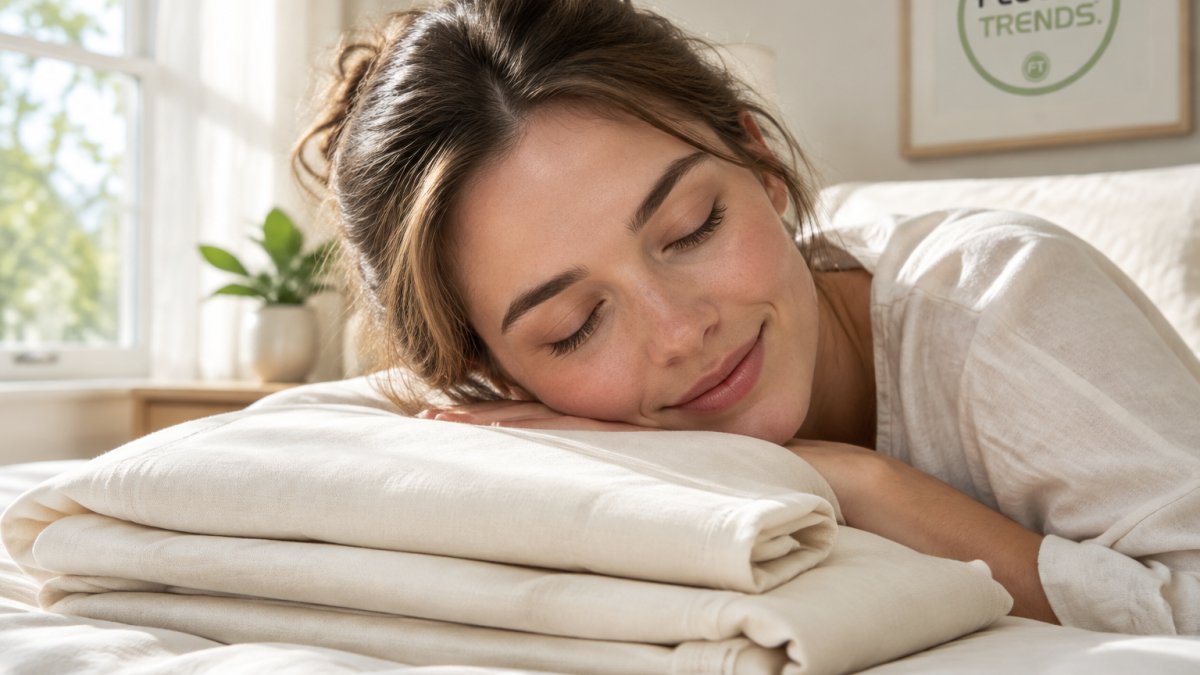
The blend matters too. Five percent casein, 75% organic cotton, and 20% beechwood micromodal gives you breathability plus structure. It feels like something between linen and premium cotton. It also holds its shape wash after wash.
Our eucalyptus silk sheets are smooth and cool, and they are naturally breathable and gentle on sensitive skin.
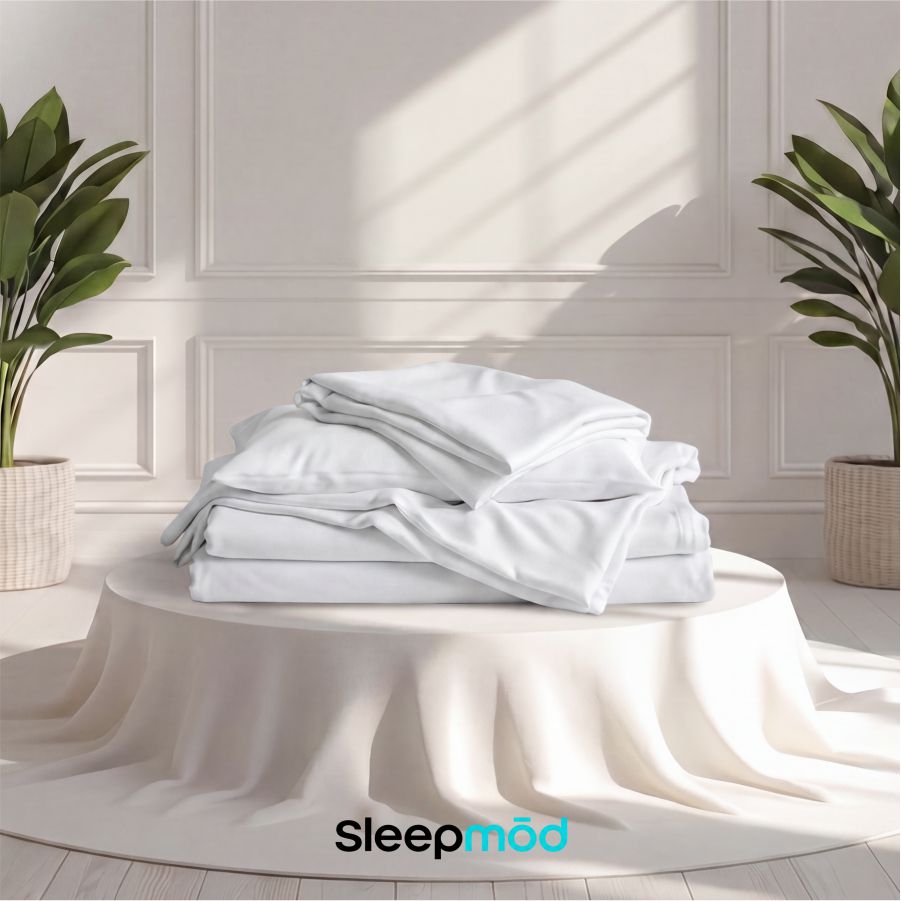
Fabric pH is not the only thing touching your face. Dyes, finishes, and detergent residue all sit on the surface too. That is why we favor OEKO-TEX certified bedding.
Laundering matters too. Use a gentle, pH-neutral detergent. Skip fabric softener. Run an extra rinse. Wash new bedding once before use.
A common mistake is assuming natural always means gentle. Wool can scratch. Some plant dyes irritate. Patch test anything new against your inner arm before a full night on it.
Here is where we draw the line on claims. Skin acidity supports barrier function, and that is well documented. The leap from fabric pH to a specific skin outcome is thinner. No major study proves a pillowcase changes your skin's pH. So choose pH-aligned fabric because it is gentler and better made. Do not expect it to treat a condition. If you have eczema or rosacea, talk to a dermatologist first.
One more angle worth knowing. A solid wood frame with a slatted base can move air up through the mattress. Sheesham wood is a strong choice here. On the Janka hardness scale, sheesham scores around 1,410 lbf. That makes it harder and more scratch-resistant than teak at roughly 1,000 lbf. It absorbs daily impacts without chipping or splitting. Once properly seasoned, it resists warping and twisting. The joints in a sheesham bed stay tight for decades. Its heartwood carries natural compounds that repel termites and fungi without harsh chemical treatment. Acacia wood is another dense, sustainably sourced option. Our durable furniture for daily use collection covers both.
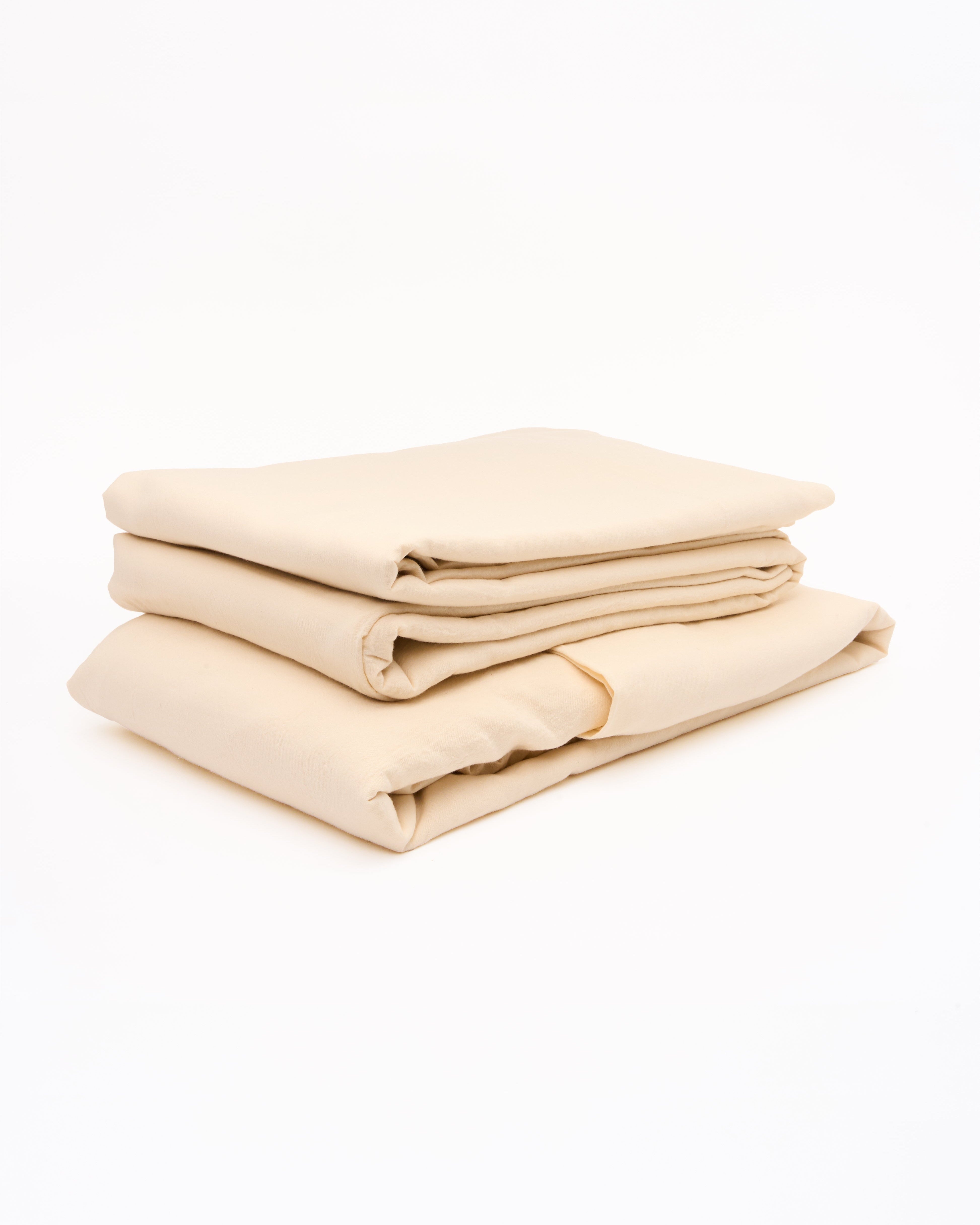
Match your frame to your bedding philosophy. Solid wood, natural fibers, and a breathable build all pull in the same direction. That is a bedroom built to last.
Hypoallergenic Bedding: What the Label Promises and What It Does Not
Hypoallergenic is a word brands use to suggest a product is less likely to trigger reactions. It does not guarantee anything.
What actually helps is removing the things that cause reactions. That means fewer harsh dyes, no formaldehyde-based finishes, and tight weave density that blocks dust mites.
Dust mites are the real culprit behind most bedding allergies. They thrive in warm, humid fabric. A tight weave and regular hot washing do more than any label ever will.
We look for three things before calling bedding hypoallergenic. Fiber content we can trace. Finishing processes without harsh chemistry. And independent testing where it exists.
The Milk Fibre line is built around casein. Lunaweft's casein composition gives the fabric natural antibacterial properties.
Watch out: hypoallergenic bedding will not fix a dust mite problem on its own. Wash weekly in hot water and encase your mattress. Fabric is one layer of the solution.
Organic Cotton Sheets and Where They Fit in a pH Balanced Bed
Organic cotton earns its place, but not for the reason most people think. The benefit is how it is grown and processed, not the fiber itself.
Organic cotton is grown without synthetic pesticides. For reactive skin, fewer chemical residues can matter.
Cotton is a breathable natural fiber.
Where organic cotton falls short is moisture retention. It wicks moisture away. If your skin runs dry, that is not always what you want. This is exactly where casein blends pull ahead.
If you want a breathable, skin-friendly alternative with a silkier hand, our Silky Lyocell sheet set is worth a look. It pairs well with organic cotton in the same bed.
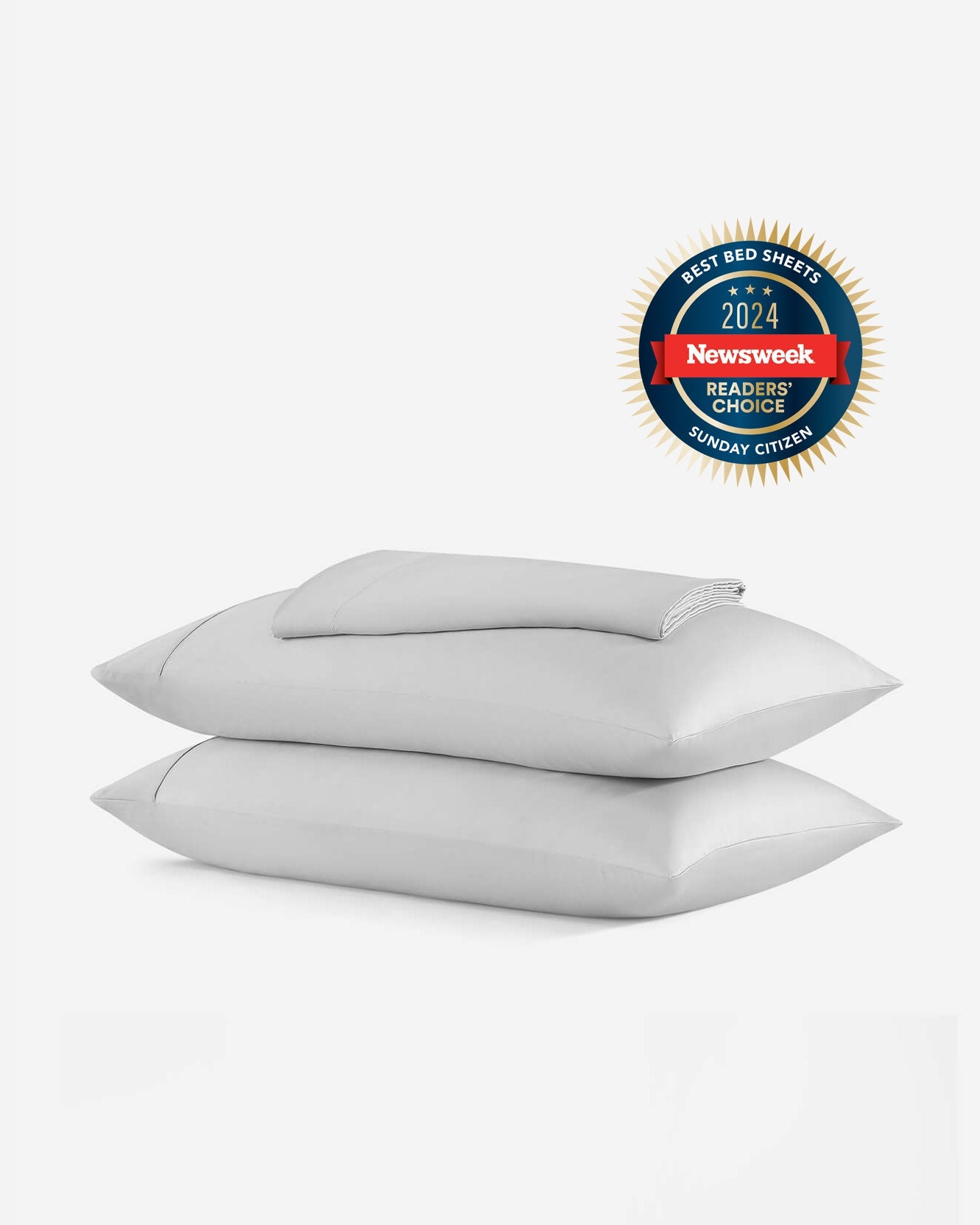
Consider using organic cotton as your base layer and a casein or lyocell piece for face contact.
OEKO-TEX Bedding: Reading the Certification Before You Buy
OEKO-TEX is the certification worth trusting, because it is third-party and specific. It tests finished textiles for harmful substances, not just raw fiber.
There are different levels. Standard 100 covers the finished product. Made in Green adds social and environmental criteria on top. Know which one you are reading.
The label tells you the article was tested against a published limit list. It does not mean the fabric is pH balanced. It means it is free from a long list of substances at tested levels.
That distinction matters. A product can be OEKO-TEX certified and still sit at a neutral pH. Certification and pH claims are separate things. Read both.
We favor OEKO-TEX bedding because it is verifiable. You can look up the certificate number. That is more than you can say for most claims on a box.
Our Sunday Citizen pieces carry OEKO-TEX certification, including the Silky Lyocell set. That is one reason we stock them.
Dyes, Finishes, and Detergents: What Changes Fabric pH After You Buy It
What you wash your sheets in can change how they feel against your skin.
Some detergents can leave residue on fabric. Rinse thoroughly to reduce what touches your skin.
Here is what shifts fabric pH after purchase:
- Detergent residue. Alkaline formulas leave a film if under-rinsed.
- Fabric softener. Coats fibers and traps residue against skin.
- Harsh stain treatments. Can alter surface chemistry permanently.
- Dye bleed. Cheap dyes can leach and irritate over time.
The fix is simple. Use a gentle, pH-neutral detergent. Skip softener entirely. Run an extra rinse cycle. Wash new bedding once before use.
A common mistake is overloading the machine. Cramped fabric does not rinse clean. That leftover detergent is often the real cause of night-time itching, not the sheets.
Temperature, Breathability, and Moisture: The Comfort Factors pH Claims Skip
pH gets the headlines, but heat and moisture also shape how you sleep.
Breathability comes from weave and fiber. Looser weaves move more air. Natural fibers manage moisture better than synthetics. Both affect your skin far more night to night than a pH number.
If you sleep hot, prioritize airflow and moisture-wicking. Lyocell and eucalyptus excel here. They feel cool to the touch and pull sweat away from skin.
If you sleep cold or dry, prioritize moisture retention. Casein blends hold hydration without feeling damp. That is the balance most bedding ignores.
For a deeper look at which materials keep you dry, read our guide on moisture retention bedding. It breaks down the fiber-by-fiber differences.
The point is this. pH balanced bedding works best when the fabric also manages temperature. One without the other is half a solution.
Matching pH Balanced Bedding to Your Bed Frame and Bedroom
Your sheets sit on a frame, and the frame affects how the whole bed performs. This is the part nobody talks about.
Solid wood frames breathe differently than upholstered ones. A slatted base moves air up through the mattress. A solid platform traps it. That changes how your bedding handles moisture.
If you are investing in a frame, look at sheesham wood. On the Janka hardness scale, sheesham scores around 1,410 lbf. That makes it harder and more scratch-resistant than teak at roughly 1,000 lbf. It absorbs daily impacts without chipping or splitting.
Sheesham also holds its shape. Once properly seasoned, it resists warping and twisting. The joints in a sheesham bed stay tight for decades. Its heartwood carries natural compounds that repel termites and fungi without harsh chemical treatment.
Acacia wood is another strong choice. It is dense, sustainably sourced, and pairs well with a natural fiber bed. Our durable furniture for daily use collection covers both.
Match your frame to your bedding philosophy. Solid wood, natural fibers, and a breathable build all pull in the same direction. That is a bedroom built to last.
Choosing Your pH Balanced Sheet Set at Fluent Trends
Here is how we would decide, in plain terms. Start with your skin, then work outward.
If your skin is reactive, dry, or sensitive, the casein line is our first recommendation. The Signature Milk Fibre Sheet Set is the anchor at $245. It mirrors your skin's natural pH and holds moisture through the night.
If you sleep hot, consider lyocell. The Eucalyptus set at $150 is naturally breathable. The Silky Lyocell set at $200 is OEKO-TEX certified.
If you want the full setup, build it piece by piece. Sheet set, pillowcases, duvet cover. Each one reinforces the same pH-aligned surface.
We source from reputable purveyors, and we vet the certifications before anything reaches the site.
The real challenge is not finding bedding labeled pH balanced. It is finding bedding that earns the label through fiber, finish, and testing. That is where we focus our curation. Fluent Trends stocks Portugal-woven casein bedding, OEKO-TEX certified lyocell, and solid wood frames built to last. Start with the sheet set that matches your skin, then build the bed around it. Get started with Fluent Trends and sleep on bedding chosen for how it actually performs.
Frequently Asked Questions
What does pH-balanced bedding mean?
It means the fabric has been finished so its surface sits close to the skin's natural acid mantle, roughly pH 4.5 to 5.5. Untreated cotton and linen often land nearer neutral. Mills adjust this during washing and finishing, then test the fabric. The term describes the textile's surface chemistry, not a medical treatment. Ask the seller how they measured it and whether a third party verified the result.
Is pH balanced bedding better for sensitive skin?
It can help, but it is one factor among several. Bedding for sensitive skin also depends on breathability, moisture handling, dye load, and how you wash it. A pH-aligned fabric that traps heat will still irritate. Look for hypoallergenic bedding with low-chemical finishing, then patch test by sleeping on a pillowcase for a week before committing to a full set.
Are organic cotton sheets automatically pH balanced?
No. Organic cotton sheets refer to how the fiber is grown, without synthetic pesticides. Finishing, dyeing, and softening treatments happen later and can shift fabric pH either way. Organic cotton is a strong starting point for sensitive skin because it carries fewer chemical residues, but the finisher still decides the final surface. Ask for the certification and the pH test result separately.
What certifications should I look for in OEKO-TEX bedding?
OEKO-TEX bedding usually carries STANDARD 100, which tests for harmful substances across the finished article. Check the certificate number on the label and confirm the product class matches bedding worn next to skin. Certification covers chemical safety, not pH specifically. Pair it with a brand that states its pH testing method so you know both pieces of the picture.
Does washing change the pH of my sheets?
Washing can affect how fabric feels against your skin. Detergents, fabric softeners, and bleach can leave residues. Switch to a mild liquid detergent, skip softener, and add an extra rinse cycle. Wash bedding weekly in cool water. If your skin still reacts, run one wash with half a cup of white vinegar to strip residue, then reassess.
