

Moisture Retention Bedding: Which Materials Keep You Dry
Yuatinia LeakLast Updated: November 8, 2026
Quick Summary
Moisture retention bedding is fabric engineered to hold a measured amount of water vapor near your skin instead of stripping it all away. Cotton and milk fibre (casein) retain moisture well for dry or sensitive skin, while linen and bamboo lyocell wick sweat away fast for hot sleepers. Match the fiber to how you sleep, not the label.
- Absorption, retention, and wicking are three different things, and confusing them is the most common bedding mistake.
- Casein, the protein in milk, is a natural humectant that holds a small, controlled amount of moisture near skin.
- Hot sleepers should pick linen or bamboo lyocell and layer lighter rather than reaching for heavy cotton.
- Wash bedding weekly in cool water, skip fabric softener, and dry on low to protect breathability.
- Air the bed for 15 minutes each morning so trapped body moisture escapes before you make it.
Table of Contents
- What Moisture Retention Bedding Actually Means
- How Bedding Fibers Absorb and Hold Moisture
- Moisture-Wicking Sheets: What They Do Well and Where They Fall Short
- Moisture-Absorbing Sheets and When Holding Water Helps
- Best Sheets for Hot Sleepers: Breathability and Airflow First
- Bedding for Night Sweats: Managing Sweat Without Stripping Skin
- Side-by-Side: How Bedding Materials Compare on Moisture Retention
- Drying Time, Humidity, and Keeping Bedding Fresh
- Choosing Your Moisture Retention Bedding Set
- Frequently Asked Questions
What Moisture Retention Bedding Actually Means
Moisture retention bedding is fabric engineered to hold a measured amount of water vapor against your skin instead of pulling it all away. That sounds backwards at first. Most of us were taught that dry equals good. But skin that stays bone-dry overnight can end up tight, itchy, and reactive by morning. This guide from Fluent Trends explains which fibers hold moisture, which release it, and how to pick the right one for how you actually sleep.
Here is the short version. Cotton absorbs and holds. Linen releases fast. Bamboo lyocell wicks moisture away. Milk fibre, made with casein protein, holds a small amount of moisture close to skin on purpose. None of these is universally better. The right pick depends on whether you sweat at night, run cold, or wake up with irritated skin.
Absorption, Retention, and Wicking Are Not the Same Thing
Three terms get thrown around like synonyms. They are not.
- Absorption is how much water a fiber can take in. Cotton and hemp score high here.
- Retention is how much water the fiber keeps after it has absorbed. A fiber can absorb a lot and release it fast, or absorb less and hold it longer.
- Wicking is how quickly moisture moves away from your skin to the outer surface, where it evaporates.
A moisture-wicking sheet moves sweat off you fast. A moisture-absorbing sheet soaks it up and holds it. A moisture retention bedding fabric keeps a small, controlled amount of moisture at skin level. Confusing these three is the most common mistake we see. It leads people to buy wicking sheets for dry skin, or heavy cotton for night sweats, and then wonder why nothing changed.
How Bedding Fibers Absorb and Hold Moisture
Natural fibers and synthetic fibers behave very differently once sweat enters the picture. Natural fibers like cotton, linen, hemp, and milk fibre have a hollow or porous structure. Water enters the fiber itself, not just the space between threads. Synthetic fibers like polyester push water along the surface without absorbing it.
Casein, the protein in milk, is a natural humectant. It attracts and holds water molecules. That is why milk fibre bedding behaves differently from cotton. It keeps a thin layer of moisture near your skin rather than stripping it completely. For dry or reactive skin, that can mean less tightness in the morning. For a heavy night sweater, it may not be enough on its own.
If you want the deeper mechanics, our guide on casein pillowcases covers how the protein interacts with skin through the night.
International Sleep Products Association research on bedding materials
Moisture-Wicking Sheets: What They Do Well and Where They Fall Short
Moisture-wicking sheets are the right call if you sweat heavily. They move perspiration away from your body fast, so the sleep surface stays dry to the touch. Bamboo lyocell and technical synthetics lead here.
Where they fall short is skin comfort. Aggressive wicking can leave skin feeling tight and under-moisturized. If you already have dry or sensitive skin, that trade-off may not be worth it. The other issue is odor. Synthetic wicking fabrics trap body oils over time. They need frequent washing to stay fresh.
Our take: wicking sheets win for hot sleepers who sweat through the night. They are the wrong pick for anyone whose main complaint is dry, irritated skin.
Moisture-Absorbing Sheets and When Holding Water Helps
Moisture-absorbing sheets make sense for dry skin, cold sleepers, and anyone in a low-humidity climate. Cotton and milk fibre both fit here. They take in moisture and hold some of it near the skin, which supports the skin barrier overnight.
Holding water sounds like a downside. It is not, as long as the fabric still breathes. The problem starts when a heavy fabric holds moisture and blocks airflow at the same time. That is when bedding turns damp and clammy. The fix is a fiber that absorbs a moderate amount and still lets air circulate. Milk fibre blended with cotton and beechwood micromodal does both. It holds moisture without turning into a wet blanket.
Best Sheets for Hot Sleepers: Breathability and Airflow First
The best sheets for hot sleepers prioritize airflow over absorption. If air cannot move through the fabric, no fiber will keep you cool. Breathability comes from weave structure as much as material. A loose weave in linen beats a tight weave in cotton every time.
Look for three things:
- A breathable weave that lets air circulate
- A fiber that wicks rather than holds
- A light color and low thread count, which reduce heat build-up
Linen and bamboo lyocell are the strongest picks. Both move moisture and air well. Hot sleepers should also layer lighter. A heavy duvet traps heat no matter what sheet sits under it. Moisture management by layer matters more than any single sheet.
National Sleep Foundation guidance on sleep temperature
Bedding for Night Sweats: Managing Sweat Without Stripping Skin
Bedding for night sweats has to do two jobs at once. It must move sweat away, and it must not leave skin raw and stripped. Most sheets only handle the first job.
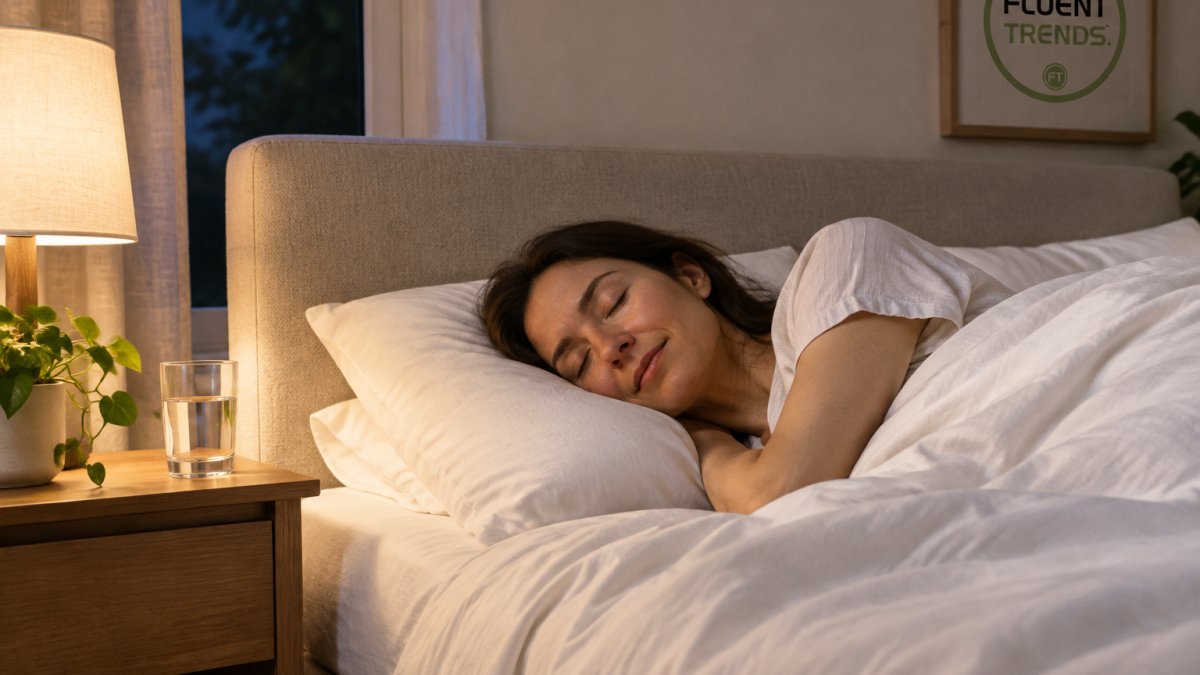
The answer is layering. Start with a wicking fitted sheet to pull sweat off your body. Add a breathable top layer that holds a little moisture so skin does not dry out. Keep the room cool and skip heavy synthetic blankets. If your skin is also sensitive, the pillowcase matters most, since your face rests against it for hours. Our breakdown of which pillowcase material works best for sensitive skin helps you match the fabric to your skin type.
Watch out: reaching for the heaviest cotton you can find to "absorb" sweat. Heavy cotton holds moisture and blocks airflow, which leaves you sleeping in a damp, swampy bed by 3 a.m.
Side-by-Side: How Bedding Materials Compare on Moisture Retention
Most comparison tables mix up absorption, retention, and wicking. That makes them useless for picking bedding. Here is a cleaner way to compare.
| Material | Absorption | Retention | Drying Speed | Breathability | Skin Feel | Best For | Watch-Out |
|---|---|---|---|---|---|---|---|
| Cotton (organic) | High | High | Slow | Moderate | Soft, familiar | Dry skin, cool sleepers | Holds dampness in humid rooms |
| Linen | Moderate | Low | Fast | High | Textured, breaks in | Hot sleepers, humid climates | Feels rough at first |
| Bamboo lyocell | Moderate | Low | Fast | High | Silky, cool | Heavy sweaters | Less skin moisture support |
| Hemp | High | Moderate | Moderate | Moderate | Sturdy, softens over time | Long-term durability | Stiff until washed several times |
| Milk fibre (casein) | Moderate | Controlled | Moderate | High | Smooth, gentle | Sensitive, dry, reactive skin | Not a heavy-sweat fix alone |
| Merino silk blend | Moderate | Low to moderate | Fast | High | Luxurious, temperature-regulating | Hot and cold sleepers alike | Needs gentle washing |
A few patterns matter more than the raw scores. Fibers that absorb a lot and dry slowly, like heavy cotton, can turn clammy if airflow is poor. Fibers that wick hard and dry fast, like bamboo lyocell, keep the surface dry but can leave skin feeling stripped. Milk fibre sits in the middle on purpose. The casein protein acts as a humectant, so it holds a small, controlled amount of moisture near skin without soaking the fabric.
This is also where layer choice matters. A wicking fitted sheet under a moisture-retaining top layer manages sweat and skin comfort at the same time. Compare sheets, blankets, and protectors separately, because moisture accumulates in different places depending on what sits closest to your body.
If you want the practical details on Portugal-woven options before choosing, our guide to Portugal woven pillowcases covers fabrics, sizes, and care. For a deeper look at how silk fits into this picture, our breakdown of Mulberry, Habotai, and Merino silk explains where each one lands on moisture and temperature.
Drying Time, Humidity, and Keeping Bedding Fresh
Drying time decides whether bedding stays fresh. A fabric that holds moisture and dries slowly becomes a breeding ground for odor and mildew, especially in high humidity. Linen and bamboo lyocell dry fast. Heavy cotton and dense weaves dry slowly. Milk fibre and merino silk blends sit in the middle, drying at a moderate pace while keeping their hand feel.
Here is what most guides skip. Washing and wear change how a fabric handles moisture.
Three habits keep bedding performing:
- Wash weekly in cool water with a mild detergent and skip fabric softener
- Dry on low or line dry to protect fiber structure and breathability
- Rotate two sets so each dries completely between uses
Humidity adds another layer. In a damp room, even fast-drying fabrics can stay slightly cool to the touch. Air the bed for 15 minutes each morning before making it. That simple step lets trapped body moisture escape before you seal it under a coverlet.
Certification matters here too. OEKO-TEX certified fabrics are tested for harmful substances, which supports a cleaner sleep surface over years of washing. If you are weighing whether the label is worth it, our article on whether OEKO-TEX certification is worth it breaks down what the testing actually covers.
One more thing worth knowing. The frame under your bedding affects airflow too. A solid bed with a breathable slat base lets moisture escape from below. Sheesham wood is a durable choice here, with a Janka hardness rating around 1,410 lbf. Acacia wood is another sturdy option for anyone comparing frames.
Choosing Your Moisture Retention Bedding Set
Start with your main complaint, not the label. Sweat heavily? Go wicking. Wake up dry and itchy? Go moisture-retaining. Sleep hot in a humid room? Go breathable and fast-drying.
For sensitive or dry skin, we recommend the Milk Fibre Sheet Set from our Portugal-woven line. The casein blend is hypoallergenic and built for sensitive skin. It feels like a cross between flax linen and premium cotton.

A quick way to decide:
- Hot sleeper who sweats: linen or bamboo lyocell fitted sheet, light duvet
- Dry or sensitive skin: milk fibre or cotton blend, breathable weave
- Humid climate: fast-drying linen, rotate two sets
- Cold sleeper: cotton or milk fibre, add a breathable top layer
The real challenge with moisture retention bedding is that no single fabric solves every sleep problem. You need a fiber that matches how your body handles heat and sweat. At Fluent Trends, we source from reputable purveyors. Our milk fibre sets are casein-blend bedding built for sensitive skin, with a Portugal-woven construction. Get started with Fluent Trends and build a sleep surface that keeps you dry without stripping your skin.
Frequently Asked Questions
Why does my bed feel damp when it is not wet?
A damp-feeling bed usually comes from moisture trapped in the layers. Your body releases perspiration overnight, and some fabrics hold that moisture against the sleep surface instead of moving it along. High humidity in the room makes it worse. Cotton and other absorbent fibers can feel cool and clammy once they take on water. A breathable setup, air circulation, and bedding that manages moisture rather than locking it in will make the surface feel drier.
What is the difference between moisture-wicking and moisture-absorbing bedding?
Moisture-wicking sheets move perspiration away from your skin toward the outer layers, where it can evaporate. Moisture-absorbing sheets take water into the fiber itself. Wicking helps hot sleepers feel dry quickly. Absorbing helps sensitive or dry skin stay hydrated. Moisture retention bedding sits in the middle: it holds a measured amount of moisture close to the skin instead of stripping it. The right choice depends on whether you sweat heavily or your skin feels tight and dry by morning.
Do moisture-wicking sheets really work?
They work, but only within limits. Wicking fabrics move sweat along the fiber and let it evaporate, which keeps the surface feeling drier for hot sleepers. If the room is humid or the bedding underneath blocks airflow, that moisture has nowhere to go. Wicking also does little for skin that needs hydration. Pair wicking sheets with a breathable duvet and a cool, ventilated room for the best result.
What bedding helps with night sweats without feeling clammy?
Look for breathable natural fibers with a smooth finish. Casein milk fiber blended with cotton and beechwood micromodal is one option: it is hypoallergenic, pH-balanced, and holds moisture gently instead of leaving a wet film. Avoid heavy synthetic blends that trap heat. Wash bedding weekly in cold water and tumble dry low so the fibers stay open and keep managing moisture night after night.
