

Which Pillowcase Material Works Best for Sensitive Skin?
Yuatinia LeakLast Updated: October 25, 2026
Quick Summary
The best sensitive skin pillowcases use milk fibre, silk, or lyocell because they're smooth, breathable, and gentle on reactive skin. Milk fibre matches your skin's natural pH and retains moisture overnight. Silk and lyocell reduce friction while managing sweat without trapping heat.
- Milk fibre pillowcases cost $78 per pair and work best for dry, reactive skin types.
- Lyocell pillowcases are OEKO-TEX certified, machine washable, and cost $64 for smooth breathability.
- Bamboo viscose pillowcases offer affordable comfort at $44 per pair for budget-conscious shoppers.
- Wash sensitive skin pillowcases once or twice weekly in cold water with gentle detergent.
- Skip fabric softener and hot water, which leave irritating residue and damage delicate fabrics.
Table of Contents
- What Makes a Pillowcase Right for Sensitive Skin
- Best Pillowcase Material for Sensitive Skin: Your Core Options
- Hypoallergenic Pillowcases: What the Label Really Means
- Satin vs Silk Pillowcase: Which Reduces Friction Better
- Friction, Moisture, and Skin Irritation: The Real Mechanics
- How Often to Wash Pillowcases for Sensitive Skin
- Care Instructions That Keep Your Investment Lasting
- Start Your Sensitive Skin Sleep Upgrade Today
- Frequently Asked Questions
What Makes a Pillowcase Right for Sensitive Skin
Your pillowcase touches your face for eight hours every night. That's why choosing the right material matters so much for sensitive skin. The wrong fabric can trigger irritation or breakouts.
Sensitive skin pillowcases need to do three things well. They must reduce friction that causes irritation. They should breathe properly to manage moisture and sweat. And they need to be gentle enough not to trigger contact allergies or inflammation.
Most standard cotton pillowcases fall short on all three counts. They're rough, they trap heat, and they pull moisture away from your skin overnight. At Fluent Trends, we've sourced sensitive skin pillowcases specifically designed to work with your skin, not against it.
The best materials for sensitive skin share common traits. They're smooth to minimize friction. They regulate temperature and moisture. They're hypoallergenic or naturally resistant to dust mites and allergens. They maintain these qualities through repeated washing.
Think of your pillowcase as part of your skincare routine. Just like you wouldn't use harsh products on your face, you shouldn't sleep on harsh fabrics either. The right sensitive skin pillowcase becomes an investment in clearer, calmer skin.
Best Pillowcase Material for Sensitive Skin: Your Core Options
Several materials stand out for sensitive skin. Each offers different benefits and trade-offs. Understanding what each one does helps you pick what works best for your skin type and budget.
Milk Fibre and Casein: pH-Aligned Protection
Milk fibre pillowcases are built differently than other fabrics. They're made from casein, a natural protein found in milk. This matters because casein matches your skin's natural pH level.
Your skin is naturally acidic, around 4.5 to 5.5 on the pH scale. Most fabrics are neutral or slightly alkaline. That mismatch can trigger irritation or disrupt your skin's protective barrier. Casein works with your skin instead of against it.
The Signature Milk Fibre Pillowcase Set uses a blend of milk fibre, cotton, and beechwood micromodal. This combination creates a smooth, breathable surface that stays soft through many washes. The fabric has natural antibacterial properties, meaning fewer bacteria accumulate on the pillowcase surface overnight.
Here's what makes milk fibre unique: it retains moisture. Most fabrics pull moisture away from your skin. Casein does the opposite. It acts as a natural humectant, drawing moisture toward your skin and holding it there. This helps maintain hydration throughout the night.
The Portugal-woven construction adds durability. These pillowcases are designed to last for years. The envelope enclosure keeps them secure, and hand-sewn embroidery adds refinement without compromising function.
Watch out: milk fibre pillowcases cost more than standard cotton. The Signature Milk Fibre Pillowcase Set runs $78.00 for a pair. But if you have reactive skin, the pH-balanced protection often justifies the investment.

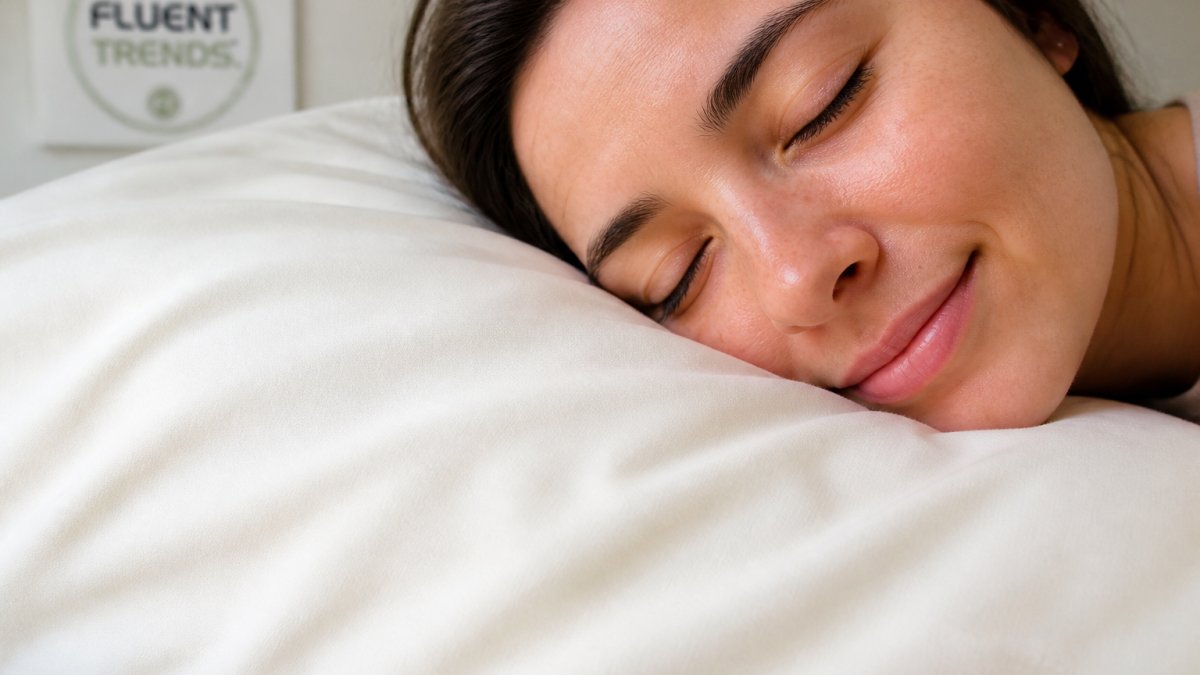
Silk and Lyocell: Smoothness and Breathability
Silk and lyocell both reduce friction significantly. But they work through different mechanisms and have different care requirements.
Silk is a protein fibre, like casein. It's naturally smooth, which means less tugging on your skin and hair. Mulberry silk is the highest quality, with the smoothest surface and most consistent weave. Habutai silk offers similar benefits at a slightly lower price point.
The catch with silk: it requires careful handling. Silk pillowcases need cold water washing and gentle cycles. They can snag if you sleep with jewelry or rough textures nearby. They also cost more upfront.
Lyocell is a semi-synthetic fibre made from wood pulp. It mimics silk's smoothness but is more durable and easier to care for. TENCEL is the most common brand of lyocell used in bedding. It's breathable, moisture-wicking, and hypoallergenic.
The Silky Lyocell Pillowcase Set is OEKO-TEX certified, meaning it's free from harmful chemicals. At $64.00 for a pair, it costs less than milk fibre but more than bamboo. The buttery soft feel reduces friction against sensitive skin. Machine washable in cold water, it holds up well through repeated laundering.
For comparison: silk feels luxurious and smooth but demands careful washing. Lyocell delivers similar smoothness with easier care. Both significantly reduce friction compared to standard cotton.
Bamboo Viscose: Affordable Comfort
Bamboo viscose offers a middle ground between price and performance. It's smooth like silk but more affordable and easier to care for.
Bamboo viscose is made from bamboo pulp processed into a fibre. The process creates a soft, silky texture. It's naturally hypoallergenic and breathable. OEKO-TEX certification ensures no harsh chemicals remain in the final fabric.
The Premium Bamboo Viscose Pillowcase Set costs $44.00 for a pair. That makes it the most budget-friendly option without sacrificing quality. The smooth surface reduces friction. It breathes well, managing moisture and sweat effectively.
Bamboo viscose works well for most sensitive skin types. It's not quite as luxurious as pure silk or as pH-balanced as milk fibre. But for the price, it delivers real benefits. Machine washable and durable, these pillowcases hold up through years of use.
Hypoallergenic Pillowcases: What the Label Really Means
The word "hypoallergenic" sells a lot of bedding. It is also one of the least regulated terms in the category. There is no federal standard that defines exactly how hypoallergenic a pillowcase must be. So the label alone tells you very little.
Here is the honest version. Hypoallergenic means the product is less likely to trigger a reaction. It does not mean allergen-free. No fabric can promise that. What actually matters is what the fabric is made of and what was added to it during finishing.
The Triggers Most People Miss
Dust mites get all the attention. But contact reactions on a pillowcase usually come from four quieter sources.
- Detergent residue left in the weave after a cold, short wash
- Fragrance from detergents, dryer sheets, or fabric softener
- Dyes and optical brighteners used to make whites look brighter
- Finishes like wrinkle-resistant resins that can off-gas or rub off
If your skin flares on one pillowcase but not another, the fiber is often not the culprit. The finish or the laundry routine usually is. A common pattern is switching to a fragrance-free, dye-free detergent and skipping softener entirely.
What Certifications Actually Verify
OEKO-TEX is the certification worth looking for. It tests finished fabric for harmful substances, including certain dyes and formaldehyde-based finishes. It tests the finished fabric for harmful substances, including certain dyes and formaldehyde-based finishes. It does not test for dust mites or guarantee your skin will not react. It simply confirms the fabric passed a defined chemical screen.
That is a real signal. It is just narrower than most marketing suggests. Pair it with fiber content you can read on the label. Natural fibers like milk casein, silk, and lyocell tend to resist dust mites better than loose synthetics. Tight weaves help too, because mites have less room to settle in.
What a Pillowcase Cannot Do
A pillowcase can reduce friction. It can stay cooler and drier. It can lower your exposure to irritating residues. What it cannot do is treat acne. That is a medical condition. Dermatology guidance is consistent on this point: bedding supports skin comfort, it does not replace treatment.
So treat "hypoallergenic" as a starting filter, not a finish line. Check the certification. Read the fiber. Then look hard at your detergent and your wash routine. That combination does more for reactive skin than any single label ever will.
Satin vs Silk Pillowcase: Which Reduces Friction Better
This comparison comes up constantly. Let's settle it with the details most articles skip.
Silk is a natural protein fiber. Satin is a weave. That weave can be made from silk, polyester, or blends. When a product says "satin pillowcase" without naming silk, it is almost always polyester satin. That distinction changes everything for sensitive skin.
The Specs That Actually Matter
For real silk, look at momme weight. Momme measures silk density. A 19-momme pillowcase is the common starting point for bedding. A 22-momme or higher silk feels denser and holds up longer. Below 16 momme, silk gets thin and snags easily.
Weave matters too. Charmeuse has a glossy face and a matte back. Habotai is lighter and smoother with less sheen. Mulberry silk is the most common high-grade option, and Merino silk blends add warmth and drape. If a listing does not state momme or weave, treat the "silky" claim with caution.
Polyester satin has no momme rating. It is measured by denier and finish instead. It feels slick at first. Then it pills, traps heat, and holds odor over time.
Friction and Breathability, Side by Side
Both silk and polyester satin feel smooth against the cheek. The difference shows up overnight. Silk breathes and wicks moisture. Polyester satin traps heat and sweat against your skin, which is the opposite of what reactive skin needs.
Signature Milk Fibre Pillowcase Set | Portugal Woven Bedding →
Lyocell sits in a useful middle spot. It is smooth like silk, breathes very well, and handles machine washing without drama. For many people with sensitive skin, lyocell delivers most of silk's friction benefit with far less fuss.
Care and Total Cost of Ownership
This is where the math gets interesting. Silk needs cold hand washing or a delicate cycle, gentle detergent, and air drying. It can snag on jewelry and rough nails. A well-cared-for silk pillowcase can last years, but the care time adds up.
Polyester satin is easy to wash. It just does not last as long before pilling and losing its finish. You replace it more often, so the low sticker price hides a higher cost per use.
Lyocell and bamboo viscose land in the sweet spot. Machine wash cold, tumble low, and they keep their smooth surface through many cycles. Fewer replacements, less care time, and no special detergent.
The Practical Verdict
For sensitive skin, smoothness beats branding. Real silk wins on luxury and breathability if you will care for it properly. Quality lyocell wins on effort and durability. Polyester satin is the one to skip, because it trades short-term slickness for heat, sweat, and pilling.
If you are choosing between silk and satin, choose silk. If you are choosing between silk and lyocell, pick based on how much laundry fuss you want. Your skin will thank you either way.
Friction, Moisture, and Skin Irritation: The Real Mechanics
Understanding the mechanics helps you see why material choice actually matters. Friction, moisture, and irritation are connected.
Friction happens when rough fabric rubs against your skin repeatedly. Over eight hours of sleep, this adds up. It can trigger inflammation or worsen acne. Smooth fabrics like silk, lyocell, and milk fibre minimize this friction.
Moisture management is equally important. Your skin produces oil and sweat throughout the night. If your pillowcase traps this moisture, bacteria multiply. This creates an environment for breakouts.
Breathable fabrics let moisture evaporate or wick away from your skin. This keeps your face drier and cleaner overnight. Milk fibre is unique because it retains just enough moisture to keep your skin hydrated without creating a bacterial breeding ground.
Heat also plays a role. Fabrics that trap heat make you sweat more. This increases moisture buildup and irritation. Breathable materials regulate temperature, keeping your skin cooler and more comfortable.
The combination of low friction, proper moisture management, and temperature regulation creates an environment where sensitive skin can actually recover overnight.
How Often to Wash Pillowcases for Sensitive Skin
Washing frequency depends on your skin type and how much you sweat at night.
For most people with sensitive skin, washing pillowcases once or twice weekly works well. This removes bacteria, oil buildup, and dead skin cells without overwashing and damaging the fabric.
If you have active acne or eczema, consider washing twice weekly. The extra cleaning reduces bacteria and irritants. If you have very dry sensitive skin, once weekly might be enough.
Sweat and humidity also matter. If you sleep hot or live in a humid climate, wash more frequently. If you're cool and dry, less frequent washing is fine.
Use cold water for all sensitive skin pillowcases. Hot water can damage delicate fabrics and irritate your skin further. Gentle detergent works better than heavy-duty formulas. Skip fabric softener, which can leave residue that irritates sensitive skin.
Machine wash on a gentle cycle. Tumble dry on low heat or air dry when possible. This extends the lifespan of your pillowcases and maintains their protective qualities.
Care Instructions That Keep Your Investment Lasting
Quality sensitive skin pillowcases are an investment. Proper care ensures they last for years.
For milk fibre pillowcases like the Signature set, machine wash cold on a gentle cycle. Tumble dry low or air dry. A warm iron on low setting removes wrinkles if needed. Avoid bleach and harsh chemicals.
For lyocell pillowcases, follow similar guidelines. Cold water, gentle cycle, low heat drying. OEKO-TEX certified fabrics don't need special treatments. Standard gentle detergent works fine.
Bamboo viscose pillowcases also prefer cold water and gentle cycles. They're more durable than silk but still benefit from careful handling. Air drying extends their lifespan.
Avoid these mistakes: hot water damages all delicate fabrics. Bleach breaks down natural fibres. Fabric softener leaves irritating residue. Rough drying can cause pilling or shrinkage.
Rotate between two or three pillowcase sets if possible. This gives each set time to rest between uses, extending durability. It also means you always have a clean pillowcase ready.
Store clean pillowcases in a dry place. Humidity and moisture can cause mildew or mold. A simple linen closet works perfectly.
Start Your Sensitive Skin Sleep Upgrade Today
Choosing the right pillowcase is one of the easiest ways to support your skin's health. You spend a third of your life sleeping. Your pillowcase either works for your skin or against it.
The materials that matter most are smooth, breathable, and gentle. Milk fibre offers pH-balanced protection. Silk and lyocell deliver smoothness and breathability. Bamboo viscose provides affordable comfort.
At Fluent Trends, we've curated sensitive skin pillowcases designed specifically for reactive skin. The Signature Milk Fibre Pillowcase Set uses casein to match your skin's pH while retaining moisture. The Silky Lyocell set offers OEKO-TEX certified smoothness. The Premium Bamboo Viscose set delivers quality at an accessible price.
Start with the material that fits your budget and skin concerns. Pair it with proper washing and care.
Your skin does enough during the day. Let it recover at night with a pillowcase built for sensitive skin. Explore our collection of durable, thoughtfully made bedding and find the perfect fit for your skin and sleep style.
| Material | Smoothness | Breathability | Hypoallergenic | Price Range | Best For |
|---|---|---|---|---|---|
| Milk Fibre | High | High | Yes | $78 | Dry, reactive skin |
| Silk | Very High | High | Yes | $80+ | Luxury seekers |
| Lyocell | High | Very High | Yes | $64 | Balance of quality and care |
| Bamboo Viscose | High | High | Yes | $44 | Budget-conscious |
| Standard Cotton | Low | Medium | No | $15-25 | Not recommended |
OEKO-TEX certification standards for textiles
American Academy of Dermatology guidance on sensitive skin care
National Eczema Association recommendations for bedding materials
Frequently Asked Questions
What is the best pillowcase material for sensitive skin?
Milk fibre with casein, silk, and lyocell stand out because they reduce friction and maintain skin hydration. Casein matches your skin's pH naturally. Silk and lyocell offer smoothness that minimizes irritation. Bamboo viscose works too if you want an affordable option. The right choice depends on whether you prioritize pH balance, smoothness, breathability, or budget.
Are hypoallergenic pillowcases actually better for acne and eczema?
Hypoallergenic means the material resists common irritants and dust mites. What matters most is reducing friction, managing moisture, and avoiding rough textures. OEKO-TEX certification means the fabric was tested and contains no harmful chemicals. That's a real marker of safety for reactive skin.
How often should you wash pillowcases if you have sensitive skin?
Wash every 2-3 nights if your skin is very reactive or oily. Once weekly works for most people with sensitive skin. Use cold water and gentle detergent to avoid irritating the fabric or your skin. Frequent washing removes bacteria and sweat but can wear out delicate materials faster. Balance cleanliness with fabric durability.
Is satin or silk better for reducing acne and irritation?
Silk offers superior smoothness and breathability compared to satin. True silk has natural proteins that work with your skin rather than against it. Satin is often polyester, which traps heat and moisture. Lyocell mimics silk's benefits at a lower price point. For sensitive skin, silk or lyocell win because they reduce friction and regulate temperature.
