

Revenvert Alternative for Sustainable Fashion in 2026
Yuatinia LeakTable of Contents
- Why People Are Searching for a Revenvert Alternative for Sustainable Fashion
- Quick Comparison: What to Look for in Sustainable Fashion
- The Benefits of Milk and Casein Fiber Clothing
- How to Identify OEKO-Tex Certified Textiles
- Durable Furniture for Daily Use: Building a Home That Lasts
- Portugal-Woven Bedding and Organic Cotton: Materials That Make a Difference
- How to Spot Greenwashing in Sustainable Fashion
- Budget-Conscious Sustainable Shopping: Cost-Per-Wear Matters
- Care and Repair: Making Sustainable Pieces Last Longer
- Resale and Second-Hand: Extending the Life of Quality Pieces
- Conclusion: Choosing Pieces That Tell a Story
- Frequently Asked Questions
Last Updated: October 1, 2026
Why People Are Searching for a Revenvert Alternative for Sustainable Fashion
Sustainable fashion is clothing and home goods made in ways that reduce harm to people and the planet. That includes organic textiles, fair wages, and materials built to last for years. This guide from Fluent Trends covers what to look for when you want pieces that actually hold up.
Most shoppers searching for a Revenvert alternative for sustainable fashion are not new to the idea. They already care. They just want better options that feel honest. The problem is that "sustainable" has become a marketing word with no real standard behind it.
That is where things get frustrating. You see a label that says eco-friendly, but nothing tells you who made it or what it is made of. Many brands lean on vague claims because nobody checks them closely.
Below, we break down how to spot the difference between real craftsmanship and clever packaging. You will learn which fibers last, which certifications matter, and how to spend less over time by buying better once.
Quick Comparison: What to Look for in Sustainable Fashion
The fastest way to judge a sustainable piece is to check four things: fiber type, certification, construction, and where it was made. If a brand cannot answer those four questions, walk away.
Here is a simple comparison to help you scan options quickly:
What to Check |
Weak Sign |
Strong Sign |
Why It Matters |
|---|---|---|---|
Fiber |
"Eco blend" with no details |
Organic cotton, linen, hemp, casein fiber |
Natural fibers biodegrade and last longer |
Certification |
No mention anywhere |
OEKO-TEX certified textiles |
Proves testing for harmful substances |
Construction |
Thin seams, loose threads |
Reinforced stitching, weight in the hand |
Built to last furniture and clothing share this trait |
Origin |
"Imported" only |
Named region and maker |
Supply chain transparency you can verify |
A common mistake is trusting the word "sustainable" on its own. It means nothing without proof behind it. Ask for the fiber name, the certification, and the country of origin. Real makers answer without hesitation.

What matters most: certification and fiber tell you more than any marketing slogan ever will.
The Benefits of Milk and Casein Fiber Clothing
Milk and casein fiber clothing offers a soft, breathable surface that works well for sensitive skin. Casein is the protein found in milk. It holds moisture against your skin instead of pulling it away, which keeps fabric feeling calm and comfortable.
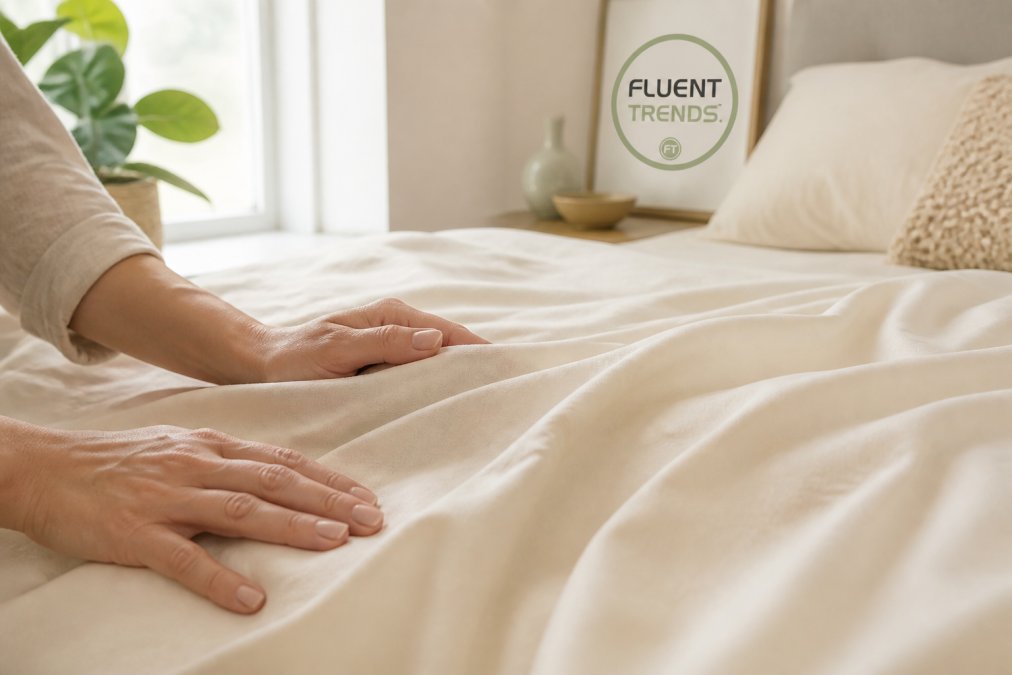
That moisture-retaining quality is why casein bedding and clothing feel different from standard cotton. The fiber also has natural antibacterial properties, so it stays fresher between washes.
For anyone with reactive or dry skin, this matters. Many fabrics are treated with chemical finishes that cause irritation. Milk fiber skips that step entirely.
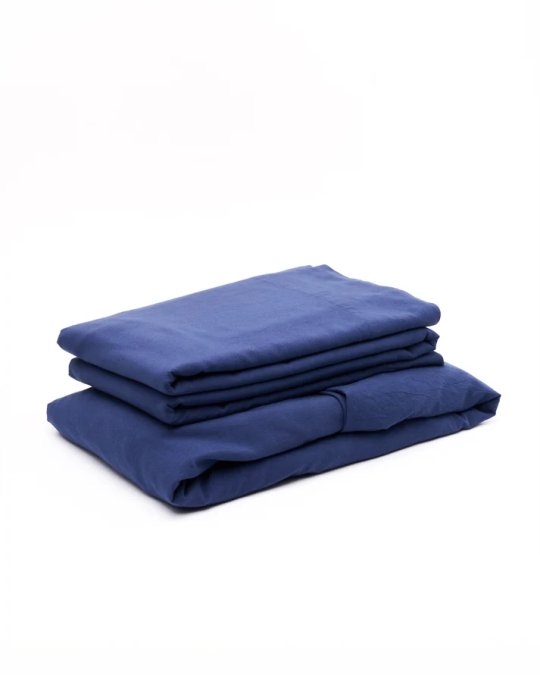
At Fluent Trends, the Signature Milk Fibre Sheet Set blends casein with cotton and beechwood micromodal. The result is hypoallergenic, pH-balanced, and woven in Portugal with precision finishing. It feels like a cross between flax linen and premium cotton.
How to Identify OEKO-Tex Certified Textiles
OEKO-TEX certified textiles carry a label proving the fabric was tested for harmful substances. The certification covers things like chemical dyes, heavy metals, and formaldehyde. It applies to the finished product, not just the raw material.
Here is where most guides stop. They tell you to look for the label and move on. That leaves you without the tools to actually verify anything.
Let us fix that.
The verification process takes about two minutes. Every OEKO-TEX certified item carries a certificate number. You can enter that number directly into the OEKO-TEX certification database and see the results instantly. If the number does not match the product, the claim is fake.
A few things to keep in mind:
- Certification applies per product, not per brand
- A brand can sell both certified and uncertified items
- The label should name the specific standard, such as STANDARD 100
- Certificate numbers can be checked online in seconds
- The certificate has an expiration date you can verify
What STANDARD 100 actually tests for. The certification screens for over 100 harmful substances. That includes azo dyes, which some countries ban outright. It covers pesticides, chlorinated phenols, and heavy metals like lead and cadmium. The testing happens at independent labs, not inside the brand's own facilities.
There are different levels within STANDARD 100. Product Class I covers items for babies and toddlers and has the strictest limits. Class II covers items worn close to the skin. Class III covers items worn away from skin. Class IV covers furnishing materials. If you see a certification, check which class it falls under. A Class IV certification on a t-shirt would be unusual.
What to do when a brand shows no number. Treat that claim as unverified. Real certification comes with documentation. Brands that earn it are proud to show it. Brands that avoid showing it usually have a reason.
This is one of the clearest ways to separate honest makers from greenwashers. It takes two minutes to check and saves you from guessing. Most shoppers never bother. That is exactly why greenwashing works.
Durable Furniture for Daily Use: Building a Home That Lasts
Durable furniture for daily use comes down to joinery, material weight, and finish quality. A well-built piece survives years of daily wear. A cheap one starts wobbling within months.
This is the same principle behind sustainable fashion. Buy once, keep it for a decade, and stop replacing things every year. That approach cuts waste more than any recycling program.
Start with the joints. Dovetail joints interlock like puzzle pieces and hold up under constant stress. Mortise-and-tenon construction uses a carved peg fitted into a matching hole. Both methods have survived centuries of use. Staples and glue are faster and cheaper. They also fail first.
Pick up the piece if you can. Solid wood and stone have heft that particleboard cannot fake. A solid oak chair weighs noticeably more than a veneered one. That weight signals density and density signals longevity.
Materials matter just as much as construction. Boucle furniture with a tight weave resists pilling and holds its shape. Loosely woven boucle looks plush in a showroom and flattens within a year. Run your hand across the surface. If fibers pull easily, the weave is too loose.
Bone inlay furniture, when made by hand, uses ethically sourced materials and traditional techniques passed down through generations. Each piece of bone is cut and set individually. That process takes time. It also creates furniture that stays structurally sound for decades. Machine-stamped imitations crack and lift within a few years.
Finish quality tells you how the maker thinks. A hand-rubbed oil finish penetrates the wood and protects from within. A sprayed lacquer sits on top and chips at the edges. Run your fingernail along an inconspicuous spot. If the finish flakes, it will not survive real life.
Fluent Trends carries a durable furniture collection for daily use built around these ideas. Each piece is designed to hold its shape and structure through years of everyday life, not just look good in a photo. The materials are sustainably sourced and chosen for how they age, not just how they photograph on delivery day.
Portugal-Woven Bedding and Organic Cotton: Materials That Make a Difference
Portugal-woven bedding earns its reputation through tight weaving standards and skilled finishing. Portuguese mills have refined this craft over generations. The result is fabric that holds its structure wash after wash.
Riti Organic Cotton Travel Blanket and →
Organic cotton plays a big role here too. It is grown without synthetic pesticides and processed without harsh chemical treatments. That makes it softer on sensitive skin and lighter on the environment.
Combined, these two elements create bedding that feels better and lasts longer. The weave stays dense instead of thinning out. Colors hold. Seams stay straight.
Fluent Trends sources several bedding pieces this way. The Riti Organic Cotton Travel Blanket and Eye Mask Set uses organic cotton with a geometric weave, and it stays soft without pilling. The Signature Milk Fibre Pillowcase Set pairs Portugal-woven construction with casein fiber for hypoallergenic comfort.

What most guides miss is that thread count tells you very little. Weave quality and fiber type matter far more than a number on a package.
How to Spot Greenwashing in Sustainable Fashion
Greenwashing is when a brand markets itself as eco-friendly without real evidence behind the claim. It is common, and it is designed to be hard to spot.
Here is how to catch it:
- Vague language. Words like "natural" or "green" mean nothing without specifics.
- No certification. Real claims come with verifiable third-party labels.
- Hidden supply chains. If you cannot find where a piece was made, that is a red flag.
- One good deed as cover. A single recycled collection does not fix a wasteful business model.
- No fiber details. "Eco blend" without naming the fibers is a dodge.
The Federal Trade Commission's Green Guides set the standard for environmental marketing claims in the United States. Brands that make vague or misleading claims can face action under these rules.
A quick test: ask the brand three questions. What is it made of? Where was it made? What certification does it carry? Honest makers answer all three. Greenwashers deflect.
Budget-Conscious Sustainable Shopping: Cost-Per-Wear Matters
Cost-per-wear is the price of an item divided by how many times you actually wear or use it. A $40 shirt worn five times costs $8 per wear. A $200 shirt worn 200 times costs $1 per wear.
That math changes everything. The cheaper item often costs more in the long run. This is why budget-conscious sustainable shopping is not about spending less upfront. It is about spending smarter.
Run the numbers before you buy:
Item |
Price |
Wears |
Cost Per Wear |
|---|---|---|---|
Fast fashion top |
$30 |
10 |
$3.00 |
Quality linen shirt |
$120 |
150 |
$0.80 |
Handcrafted robe |
$99 |
200 |
$0.50 |
The handcrafted option wins every time when it lasts. That is the whole argument for buying fewer, better pieces.
A capsule wardrobe built this way saves money and reduces textile waste. You stop replacing things and start keeping them.
Care and Repair: Making Sustainable Pieces Last Longer
Care and repair extend the life of any garment or home textile. Proper washing alone can add years. Most people overwash, overheat, and overdry their clothing without realizing the damage.
Simple habits that help:
- Wash in cold water to protect fibers and dyes
- Air dry when possible instead of using a dryer
- Turn garments inside out before washing
- Repair loose seams and buttons early
- Store folded knits instead of hanging them
For bedding, the same rules apply. Cold wash and low tumble dry keep natural fibers intact. Hand-dyed pieces like batik should be washed separately and air dried to protect the color.
Learning a basic stitch takes an afternoon. It saves you from replacing a favorite piece over one small tear. Repair is one of the most overlooked parts of sustainable living, and it costs almost nothing.
Resale and Second-Hand: Extending the Life of Quality Pieces
Resale and second-hand marketplaces keep quality pieces in circulation instead of in landfills. Well-made items hold value, which is why they sell quickly on resale platforms. Fast fashion rarely does.
This is the circular economy in action. A piece gets worn, then passed on, then worn again. Each owner gets value, and nothing goes to waste.
When you buy second-hand, check for the same things you would check new: fiber content, construction quality, and signs of wear. A well-made piece with light use often outperforms a new cheap one.
You can also sell your own items. Quality pieces from brands that build to last tend to resell at fair prices. That return softens the original cost and keeps the item alive longer.
The lesson is simple. Buy pieces worth reselling, and you rarely lose money on them.
Conclusion: Choosing Pieces That Tell a Story
The real challenge is not finding sustainable options. It is finding ones that hold up. Anyone can print a leaf on a label. Fewer can show you the fiber, the certification, and the hands that made the piece.
At Fluent Trends, every item is chosen with that standard in mind. The Signature Milk Fibre Deluxe Set brings casein bedding, hypoallergenic comfort, and Portugal-woven craftsmanship into one coordinated set. The Hand Dyed Batik Robe Kimono is made from 100% cotton and hand-dyed by artisans using a technique refined over centuries. Our durable furniture collection is built to serve your home for years, not seasons.
Get started with Fluent Trends and build a home filled with pieces that last, made by people who care how they are made.
Frequently Asked Questions
What makes milk and casein fiber different from regular cotton?
Milk and casein fiber contains a natural protein that mirrors your skin's pH. This means it holds moisture against your skin instead of pulling it away. The result is bedding that supports nightly hydration for sensitive or dry skin. It blends with cotton and beechwood micromodal for breathability. Unlike standard cotton, casein fiber has natural antibacterial properties that keep your sleep surface cleaner. It feels like a cross between linen and premium cotton.
How do I know if a textile is truly OEKO-Tex certified?
Look for the OEKO-Tex label on the product or packaging. You can also check the OEKO-Tex website to verify certification numbers. Legitimate brands display this certification clearly. OEKO-Tex tests for harmful substances, so it matters for anything touching your skin. If a brand claims certification but cannot show the label or number, treat that claim with caution. Ask customer service for documentation if you are unsure.
What should I look for in durable furniture for daily use?
Check the frame construction first. Solid wood or metal frames outlast particle board every time. Look at the joinery: dovetail joints and mortise-and-tenon hold up better than staples or screws alone. For upholstery, tight weaves and high-density foam resist wear. Boucle and bone inlay pieces add texture but need gentle care. Sustainably sourced materials and built-to-last construction mean you replace furniture less often, which saves money over time.
Is sustainable fashion actually more expensive?
The upfront cost is often higher, but cost-per-wear tells the real story. A $200 jacket worn 200 times costs $1 per wear. A $50 jacket worn 10 times costs $5 per wear. Sustainable pieces use durable materials and ethical labor, so they last longer. You buy less often. Look for organic cotton, linen, and hemp that hold up wash after wash. The investment pays off when you stop replacing cheap items every season.
How can I tell if a brand is greenwashing?
Vague claims like eco-friendly or natural mean nothing without proof. Look for specific certifications like OEKO-Tex, GOTS, or Fair Trade. Check if the brand names its suppliers or factories. Transparency about supply chain and labor conditions is a good sign. If a brand cannot answer basic questions about where materials come from, that is a red flag. Real sustainable brands share details because they have nothing to hide.