

Best Ethical Alternatives to Mass Furniture
Yuatinia LeakTable of Contents
- Why Ethical Alternatives to Mass Furniture Matter
- Defining Sustainable Furniture Materials and Construction
- How to Verify Ethical Furniture Certifications
- Artisan-Made Furniture Benefits and Long-Term Value
- Heirloom-Quality Construction and Repairability
- Second-Hand and Vintage Furniture as Sustainable Choices
- Elevate Your Space with Intentional, Ethical Pieces
- Frequently Asked Questions
Last Updated: August 29, 2026
Why Ethical Alternatives to Mass Furniture Matter
Choosing furniture feels simple. You browse, like something, and buy it. But beneath that transaction lies a complex web of labor practices, material sourcing, and environmental impact. At Fluent Trends, we believe ethical alternatives to mass furniture represent far more than aesthetic choices. They're investments in craftsmanship, community, and longevity.
Mass-produced furniture dominates retail for one reason: speed and cost. Factories optimize for volume, not durability. The result is disposable design that fills landfills within years. Ethical alternatives operate differently. They prioritize materials that last, makers who earn fair wages, and production methods that avoid hidden environmental costs.
The tension is real. Ethical furniture costs more upfront. But that premium buys something mass production cannot replicate: pieces that age beautifully, support artisans directly, and reduce your home's carbon footprint over time.
Defining Sustainable Furniture Materials and Construction
Sustainable furniture materials are sourced responsibly and built to endure. This means solid wood rather than particle board. Natural fibers instead of petroleum-based synthetics. Materials that biodegrade or recycle, not persist in landfills for centuries.

Solid mango wood, sheesham, and reclaimed timber represent genuine sustainability. These woods come from managed forestries or salvaged sources. Handcrafted solid wood pieces can be repaired, refinished, or restored across generations. Particle board veneer cannot.
Natural fibers like sisal, jute, linen, and organic cotton offer similar advantages. Sisal, extracted from the Agave sisalana plant, ranks among the strongest natural plant fibers available. It's hypoallergenic, chemical-free, and biodegradable. Unlike synthetic rugs treated with flame retardants, natural fiber pieces age without off-gassing harmful chemicals.
Understanding Chemical Off-Gassing and VOCs
Mass-produced furniture frequently contains volatile organic compounds that off-gas into your indoor air. These chemicals come from adhesives, foam cushioning treatments, synthetic fabric finishes, and stains. That chemical smell is VOCs entering your breathing space.
Common VOCs include formaldehyde, benzene, and toluene. Formaldehyde appears in adhesives binding engineered wood and is classified as a human carcinogen (cancer.gov). Benzene and toluene come from paint solvents and fabric treatments. Prolonged exposure correlates with respiratory irritation, headaches, and neurological effects.
Off-gassing peaks in the first weeks after purchase but continues for months or years. Solid wood furniture off-gases minimally because it contains no synthetic adhesives or chemical treatments. Natural materials like solid wood, untreated leather, and organic textiles produce minimal VOCs.
Testing and Certification for Chemical Safety
Third-party testing provides objective verification of VOC levels. GREENGUARD Certification specifically tests for VOC emissions. Furniture earning GREENGUARD Gold certification meets strict chemical limits. OEKO-TEX Standard 100 certification applies to textiles and leather, testing for formaldehyde, heavy metals, and pesticide residues.
Look for these certifications on product pages or ask makers directly. Ethical makers welcome questions about VOC testing and off-gassing rates.
Construction Method and Durability
Hand-carved details and dovetail joinery create structural integrity that machine assembly cannot match. Artisans working in small batches inspect each piece individually. Mass manufacturers prioritize throughput over craftsmanship.
Solid wood construction allows for repair and restoration. A damaged section can be replaced. Finishes can be stripped and reapplied. Hardware can be upgraded. With particle board or veneer construction, damage is often permanent.
:::pro-tip Inspect the underside of any furniture before purchasing. Solid wood construction is immediately visible. Particle board, MDF, and veneers reveal themselves on the bottom. Ask about finishes: water-based stains and lacquers off-gas less than solvent-based alternatives. :::
How to Verify Ethical Furniture Certifications
Ethical claims deserve verification. "Handcrafted" and "sustainable" appear on countless product pages. Only certifications backed by third-party auditing carry real weight.
FSC Certification (Forest Stewardship Council) is the gold standard for wood sourcing. It means timber came from responsibly managed forests, not illegal logging operations. The certification chain tracks wood from forest to finished piece.
Fair Trade Certification verifies that artisans earned living wages and worked in safe conditions. It applies primarily to imported handcrafted goods from developing economies. Fair Trade ensures that the premium you pay reaches makers directly.
GOTS Certification (Global Organic Textile Standard) covers organic cotton and natural fibers. It confirms materials were grown without synthetic pesticides or fertilizers. GOTS also audits labor practices throughout the supply chain.
The most reliable verification comes from transparency. Ethical makers publish their sourcing stories, name their artisan partners, and document their production methods. They invite scrutiny. If a company guards these details, shop elsewhere.
Forest Stewardship Council standards provide the framework that most reputable furniture makers follow for wood sourcing verification.
Artisan-Made Furniture Benefits and Long-Term Value
Handcrafted furniture delivers value that mass production fundamentally cannot. Each piece carries the maker's skill, attention, and intention. That translates into durability, uniqueness, and emotional resonance.
When artisans hand-carve a sideboard or weave a rug, they're solving design problems with their hands. A wave pattern in mango wood isn't stamped by machinery. It's sculpted by someone who understands grain direction and structural integrity. That knowledge prevents cracks and failure points.
The uniqueness matters too. No two handwoven sisal rugs are identical. Natural variation in fiber creates subtle differences in tone and pattern. Your piece is genuinely one-of-a-kind. Handcrafted furniture gains value over time through restoration. Mass furniture depreciates toward disposal.
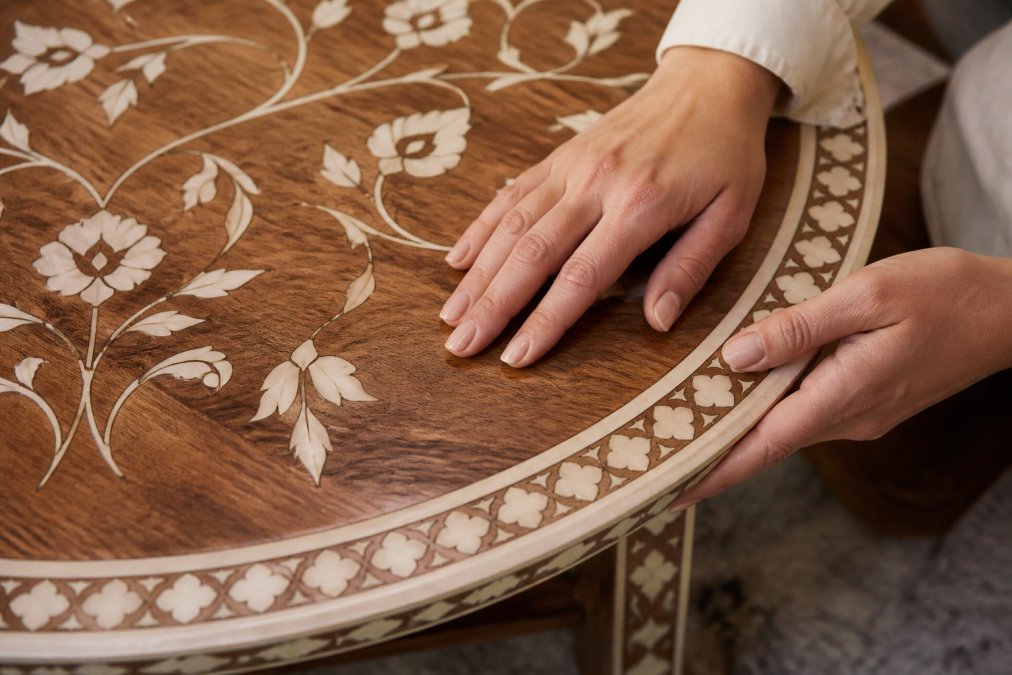
The Edessa Bone Inlay Coffee Table exemplifies this principle. Crafted from 100% solid mango wood with ethically sourced bone inlay from naturally deceased animals, it combines artisan technique with sustainable materials. The Nordic-inspired pattern and tapered legs provide modern stability. The natural oak-tone finish highlights grain variation that ensures every piece arrives as genuinely unique.

Heirloom-Quality Construction and Repairability
Heirloom-quality furniture is built to pass through generations. This requires materials that age gracefully and construction methods that withstand decades of use.
Solid wood construction forms the foundation. The Amber Wavefront Artisan Solid Wood Sideboard demonstrates this principle. Hand-carved from 100% solid mango wood with warm Amber Oak finish, it features brass-finished hardware and generous storage compartments. The hand-carved wavefront reflects true artisan craftsmanship.
Dovetail joinery represents another hallmark of heirloom construction. This centuries-old technique interlocks wood pieces without relying on glue or fasteners alone. A drawer with dovetail joints can be opened and closed thousands of times without loosening.
The Solid Wood Live Edge Chest featuring five-drawer sheesham wood storage demonstrates heirloom construction at scale. Dovetail drawer joints and wood slide glides ensure smooth operation. The tipover restraint device provides stability. Sheesham wood with natural finish and rich live edge grain creates a genuinely one-of-a-kind piece.

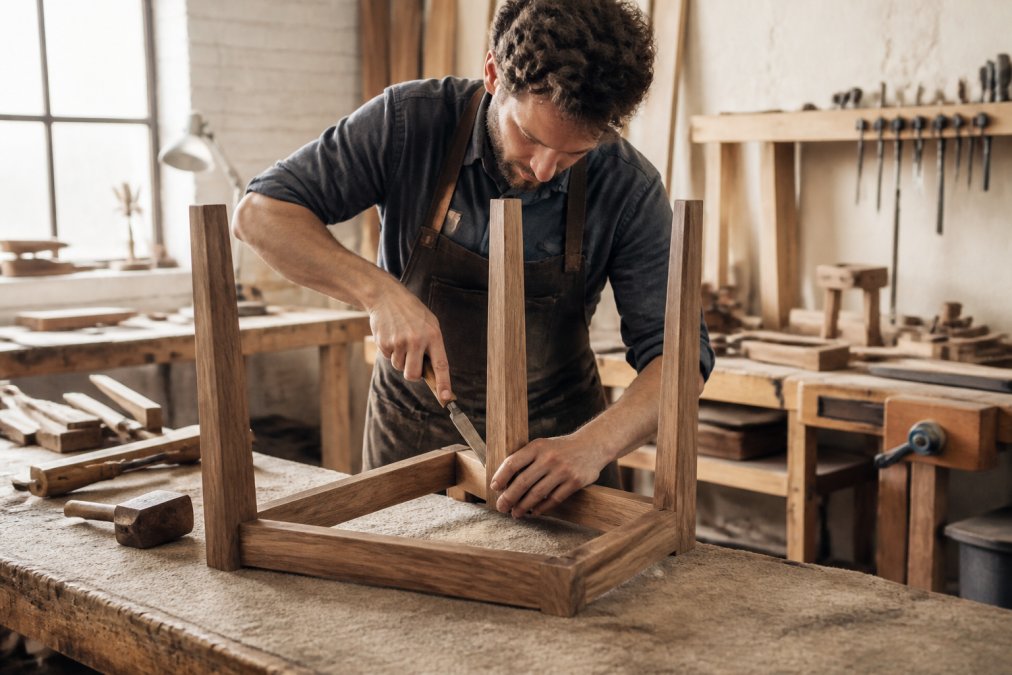
Repairability is the true test of heirloom quality. Can a damaged drawer be rebuilt? Can the finish be restored? Can hardware be replaced? With solid wood and traditional joinery, the answer is yes. A skilled woodworker can address nearly any issue.
Second-Hand and Vintage Furniture as Sustainable Choices
Buying second-hand furniture represents the most sustainable choice available. The environmental cost has already been paid. When you purchase vintage or pre-owned pieces, you extend their useful life and prevent disposal.
Vintage furniture often surpasses modern handcrafted pieces in construction quality. Mid-century furniture was frequently built with solid wood and traditional joinery before cost-cutting became industry standard. A 1960s solid wood dresser likely has better joints than many contemporary pieces.
Identifying Quality Vintage Pieces
Not every old piece deserves a second life. Structural integrity matters more than age. Inspect the frame by pressing firmly on corners and joints. Quality vintage furniture should feel rigid, not flex or creak. Check for woodworm damage, which appears as small holes in the wood surface.
Drawer construction reveals manufacturing era and quality. Dovetail joints indicate pre-1960s craftsmanship. Solid wood bottoms suggest durability. Particle board drawers signal later manufacture and lower quality.
Upholstered vintage pieces require different evaluation. Press the cushioning firmly. Quality vintage sofas have eight-way hand-tied springs or sinuous steel springs, not foam-only construction. Examine the frame for solid wood construction.
Material-Specific Durability Markers
Solid wood furniture from the 1940s through 1970s typically features superior joinery compared to contemporary mass production. Walnut, teak, and mahogany pieces from this era remain structurally sound if not abused.
Vintage upholstery fabrics vary widely in durability. Wool and linen hold up better than cotton blends. Check for fading, which indicates sun exposure and potential fiber degradation. Run your hand across the fabric. If fibers pill or feel thin, the textile is near end-of-life.
Vintage metal furniture from the mid-century period often features aluminum or steel frames with minimal rust if stored indoors. Surface rust can be cleaned. Deep pitting indicates the piece won't support weight safely.
Sourcing Strategy and Vetting
Estate sales offer the highest concentration of quality pieces because homes are typically furnished with durable goods accumulated over decades. Attend sales in neighborhoods with older housing stock.
Local antique dealers curate inventory for quality and authenticity. Building relationships with dealers means they'll contact you when specific styles arrive. Online marketplaces require more scrutiny. Ask sellers detailed questions about construction, damage, and provenance. Request multiple photographs of joints, hardware, and underside details.
Second-hand furniture shops in your area often price pieces lower than online platforms. Visit regularly. Inventory turns frequently.
The Economics and Environmental Impact
Vintage furniture costs a fraction of new artisan pieces while often exceeding them in quality. You can furnish an entire room with beautiful, durable pieces for significantly less.
The environmental benefit extends beyond avoiding new manufacturing. Extending a piece's useful life by twenty years prevents it from entering the waste stream. Second-hand shopping also builds your home with character and history.
EPA guidance on extending product lifespans and waste reduction emphasizes second-hand markets as a core sustainability strategy for reducing consumption impact.
Elevate Your Space with Intentional, Ethical Pieces
Choosing ethical alternatives to mass furniture means committing to intentional living. Every piece you select shapes your space and your values. The decision extends beyond aesthetics into how you want to live.
An intentional approach starts with restraint. Rather than filling rooms with quantity, select fewer pieces of genuine quality. A single handwoven sisal rug anchors a space with more authority than three cheap alternatives. The Handwoven Rectangular Sisal Rug from the Rwanda Artisan Collection demonstrates this principle. Handwoven from authentic sisal fiber, it's hypoallergenic, chemical-free, and dust mite resistant. Its large scale adds dimension while its neutral tone layers quietly beneath furniture.
Intentional selection also means choosing pieces that serve your actual lifestyle. A delicate vintage chair looks beautiful but becomes frustrating if you have young children. A handcrafted solid wood dining table suits a family that gathers regularly.
Mixing vintage, artisan-made, and ethically sourced pieces creates layered, curated interiors. The Wavy Mango Wood Wall Mirror with its sculptural wave silhouette and brown antique finish commands a wall with quiet confidence. Handcrafted mango wood construction ensures long-term stability. The full-length reflective surface enhances natural light while organic curves bring artistic energy.
Fluent Trends offers a curated approach to this philosophy. Our Artisan Collection features ethically made, handcrafted goods that support women-owned businesses and global makers through sustainable practices. The Draper 58" Vegan Leather Tufted Bench combines commercial-grade steel frame stability with upholstered comfort and vegan leather side panels. Button tufting adds subtle texture without overwhelming the room. The mix of beige and dark gray tones creates a versatile palette that complements both warm and cool interiors.
Intentional living means accepting that quality costs more initially. But it also means buying less frequently, enjoying pieces longer, and building spaces that reflect your values. That's the real value of ethical alternatives.
Frequently Asked Questions
What certifications should I look for when buying ethical furniture?
FSC certification confirms responsibly harvested wood. Fair Trade certification verifies ethical labor practices. GOTS (Global Organic Textile Standard) ensures organic materials. Request third-party verification from sellers to confirm claims are genuine, not marketing.
What are the main benefits of artisan-made furniture?
Artisan-made furniture offers superior durability through handcrafted joinery and solid materials. Each piece carries cultural heritage and unique character impossible in mass production. Artisans typically earn fair wages and maintain traditional skills. These pieces age beautifully, developing patina and character over decades. Supporting artisans directly preserves craft traditions and strengthens communities.
How do I identify non-toxic furniture without harmful chemicals?
Look for VOC-free and formaldehyde-free certifications. Choose natural fibers like organic cotton, linen, wool, and rattan over synthetic materials. Ask sellers about off-gassing testing results. Solid wood furniture typically contains fewer chemicals than particle board or MDF. Verify that finishes use natural oils or water-based stains rather than chemical coatings.
Why should I choose ethical alternatives over mass-produced furniture?
Mass furniture typically uses toxic adhesives, synthetic materials, and unsustainable sourcing. Ethical alternatives prioritize durability, reducing landfill waste through longevity. They support fair labor practices and preserve artisan communities. Sustainable sourcing reduces carbon footprint and environmental degradation. Heirloom pieces become family investments rather than disposable goods, offering true value over time.
Furnishing your home with intention requires choosing pieces that align with both your aesthetic and your values. Fluent Trends specializes in curated, ethically made furniture that elevates your living space while supporting artisans and sustainable practices. Our handcrafted collection features solid wood pieces, natural fiber textiles, and artisan-made accents designed for longevity and beauty. Shop our curated selection and invest in furniture built to last generations.
This article was written using GrandRanker