

Luxury Home Decor: Fluent Trends vs. Competitors
Yuatinia LeakTable of Contents
- Luxury Home Decor: What Sets Ethical Brands Apart
- Best Ethical Home Decor Brands: A Direct Comparison
- How to Identify Authentic Sustainable Brands
- Benefits of Buying from Independent Artisans
- Key Differences: Authentication and Curation Standards
- Price, Quality, and Total Cost of Ownership
- Why Fluent Trends Stands Out
- Frequently Asked Questions
Last Updated: August 31, 2026
Luxury Home Decor: What Sets Ethical Brands Apart
The luxury home decor market has fundamentally shifted. Affluent homeowners now demand more than aesthetics. They want provenance, ethics, and cultural authenticity woven into every purchase. This shift toward intentional consumption has created meaningful distinction between brands that curate with purpose and those that simply aggregate inventory.
What separates the best ethical home decor brands comes down to three core commitments: transparent sourcing, direct artisan partnerships, and genuine curation rather than mass aggregation. When you invest in pieces from brands that honor these principles, you're supporting craft preservation, fair wages, and sustainable production methods that reduce environmental impact.
The question isn't whether ethical sourcing matters anymore. It's which brands actually practice what they preach. Many companies claim sustainability without third-party verification. Others use curation language while offering hundreds of undifferentiated items. The brands worth your investment demonstrate their values through specificity: named makers, transparent pricing, documented production methods, and willingness to explain why handwoven textiles cost more than mass-produced equivalents.
Best Ethical Home Decor Brands: A Direct Comparison
Three brands have emerged as leaders in curated, ethically sourced luxury home decor. Each takes a fundamentally different approach to community, curation, and maker relationships.
Fluent Trends: Curated Artisan Collections
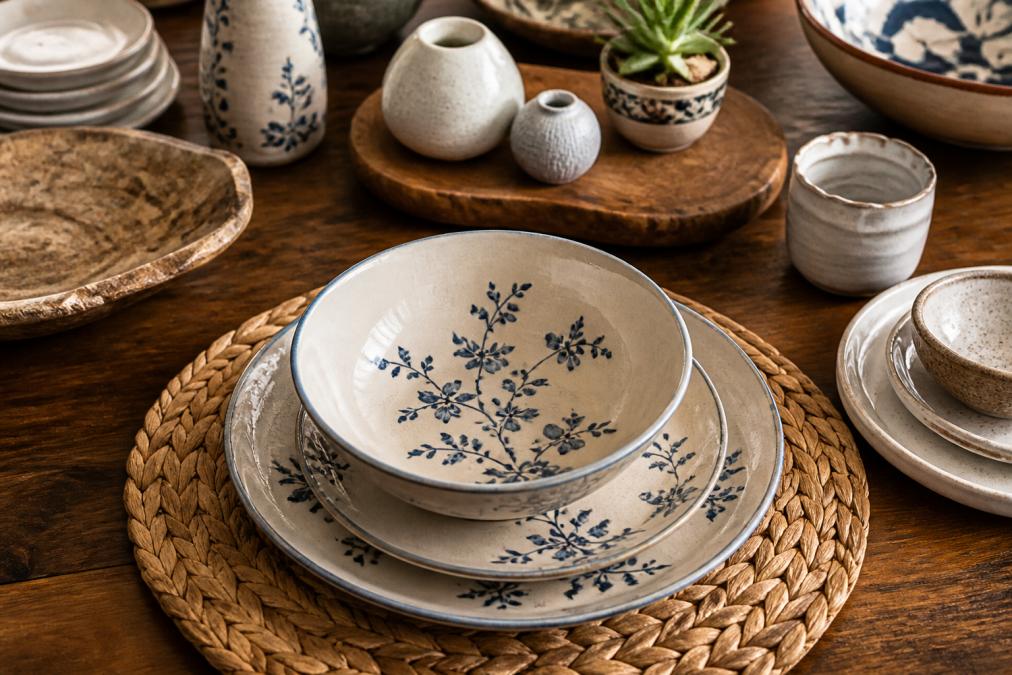
Fluent Trends distinguishes itself through rigorous curation and focus on women-owned businesses and global ethical makers. The platform doesn't aim for breadth. Instead, it curates selective collections of handcrafted goods meeting specific standards for material quality, production ethics, and cultural authenticity.
Each item comes with documented maker information, production method transparency, and clear explanation of pricing. The Fiume D'Oro 24-piece Dinner Setting, inspired by Southern Italian coastal aesthetics, features French porcelain with handcrafted golden accents. The Mother of Pearl Flatware Set combines Japanese stainless steel with mother-of-pearl handles handcrafted by Filipino artisans. Slight variations in color and size prove authentic craftsmanship and direct artisan involvement.

Fluent Trends positions itself as a curatorial partner rather than a marketplace. The brand prioritizes women-owned businesses, supports cultural heritage preservation, and maintains direct relationships with makers. This approach limits inventory but ensures quality consistency and maker compensation transparency.
The Citizenry: Global Marketplace Model
The Citizenry operates as a global marketplace connecting consumers directly with artisans across developing economies. The platform emphasizes scale and accessibility, featuring hundreds of handcrafted items from textiles to furniture to home accessories. The breadth appeals to design-focused buyers seeking globally inspired interiors.
The Citizenry's strength lies in its maker network and production transparency. The platform documents maker stories, production locations, and fair wage commitments. However, the sheer volume of offerings can make curation feel less intentional. Pricing often runs lower than comparable pieces on more selective platforms, appealing to budget-conscious ethical shoppers.
Our Common Place: Community-Focused Curation
Our Common Place builds its model around community and storytelling. Each piece comes with detailed context about the artisan, their community, and craft cultural significance. The brand emphasizes maker interviews, production documentation, and narrative-driven curation.
The community aspect extends beyond product pages to educational content around sustainable practices and craft heritage. The curation is intentional but slightly less rigid than Fluent Trends. Our Common Place carries more items than Fluent Trends but fewer than The Citizenry, allowing broader aesthetic range while maintaining quality standards.
| Brand | Curation Approach | Primary Audience | Maker Focus | Aesthetic Range |
|---|---|---|---|---|
| Fluent Trends | Highly selective, editorial | Design-conscious luxury buyers | Women-owned, global ethical makers | Curated, narrative-driven |
| The Citizenry | Broad marketplace | Budget-conscious ethical shoppers | Global artisan network | Wide, globally inspired |
| Our Common Place | Community-narrative focused | Storytelling-oriented buyers | Direct artisan partnerships | Moderate, culturally significant |
How to Identify Authentic Sustainable Brands
Authenticity in ethical branding requires specific markers beyond marketing language. Genuine sustainable home decor brands demonstrate commitments through concrete practices.
First, look for maker transparency with names and locations. Brands that say "ethically sourced" without naming specific artisans are using sustainability language without accountability. Fluent Trends specifies that French porcelain dinnerware is assembled in Portugal. This specificity is harder to fake than generic claims.
Second, verify third-party certification or documented vetting processes. Legitimate ethical brands often carry Fair Trade certification, B Corp status, or industry organization membership that audits supply chains (bcorporation.net). The absence of certification should prompt questions about verification methods.
Third, examine pricing logic. Handcrafted goods from fairly compensated artisans cost more than mass-produced alternatives. If a brand claims artisan-made and sustainable sourcing but prices below comparable mass-market options, the math doesn't work. Authentic ethical pricing reflects actual production costs, fair wages, and sustainable material sourcing.
Fourth, assess curation depth. Brands that sell everything to everyone aren't curating. They're aggregating. Authentic curation means saying no to products that don't meet standards. This limits selection but increases quality consistency.
Finally, look for willingness to explain trade-offs. Sustainable production methods are sometimes slower. Handcrafted goods have natural variation. Fair wages mean higher prices. Brands acknowledging these realities demonstrate integrity.
Benefits of Buying from Independent Artisans
Purchasing directly from independent artisans or through platforms prioritizing direct artisan relationships creates measurable benefits beyond aesthetic value.
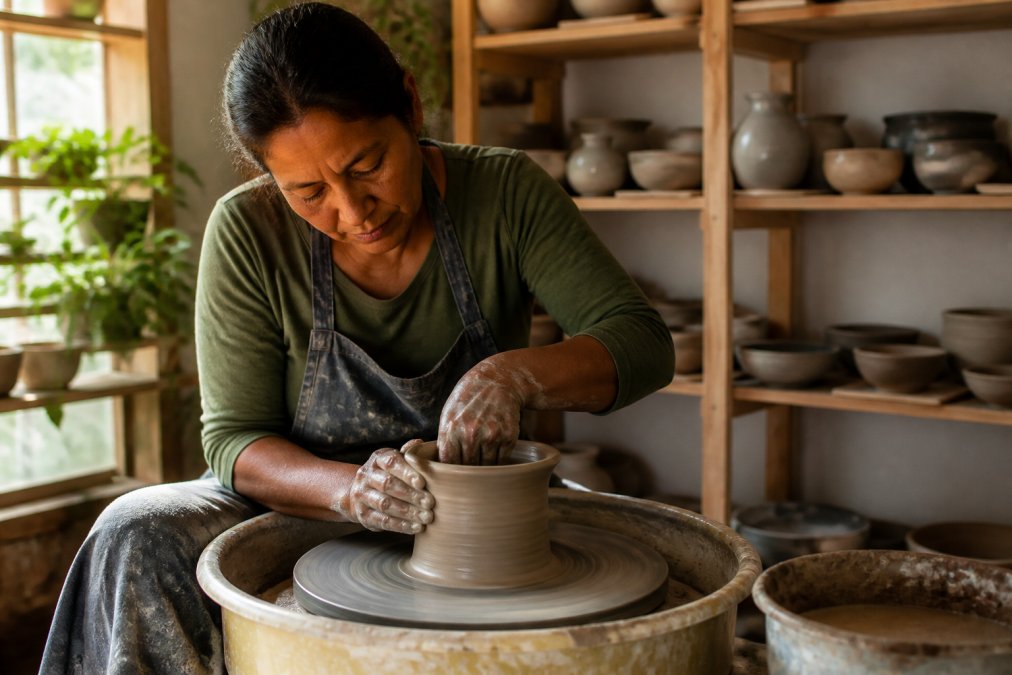
Direct artisan support preserves craft heritage that industrial production threatens to eliminate. Traditional handweaving, hand-thrown ceramics, and textile dying techniques require years of skill development (peer-reviewed research). When these crafts lack economic viability, knowledge disappears. Purchasing from independent artisans creates demand sustaining these skills across generations.
Fair compensation extends beyond the transaction itself. Artisans receiving consistent, well-paying orders can invest in apprenticeships, studio improvements, and material quality. This creates economic stability allowing craft communities to thrive rather than merely survive.
Environmental impact improves significantly with artisan production. Hand-thrown ceramics and handwoven textiles use traditional, low-waste techniques (the EPA). Artisans work with natural materials, minimal packaging, and production methods refined over centuries to minimize environmental footprint.
Cultural authenticity becomes tangible when purchasing from makers rooted in specific traditions. A handwoven textile from a Peruvian weaver carries cultural knowledge embedded in its patterns. A ceramic piece hand-thrown by a Japanese potter reflects aesthetic principles developed over generations.
Personal connection adds meaning to home decor beyond visual appeal. When you know the artisan's name, their community, and their story, the piece becomes more than furniture. It becomes a connection to a person and a place.
Key Differences: Authentication and Curation Standards
The brands leading the ethical home decor space differ fundamentally in authentication and curation standards.
Fluent Trends operates with the tightest curation filters. The brand personally vets each artisan relationship, documents production methods, and maintains direct maker communication. This hands-on approach limits inventory but ensures consistency. Every piece carries the brand's implicit endorsement of both quality and ethics. The Elegant Ripple Dinner Setting, handmade in North Carolina, exemplifies this standard with named artisans and specific dimensions for table harmony.

The Citizenry takes a network-based authentication approach. The platform connects with artisan groups and cooperative networks across multiple countries. Verification happens through partner organizations and documented production visits rather than individual maker relationships. This allows greater scale while maintaining transparency.
Our Common Place uses community accountability as part of its authentication model. Maker stories and production documentation are published publicly, creating transparency through visibility. Customer feedback and community engagement serve as informal quality assurance mechanisms.
Authentication standards matter because they determine whether ethical production claims hold up to scrutiny. Brands documenting specific maker names, production locations, and quality standards make verifiable claims. Brands using collective language like "our artisan partners" without specificity are harder to verify.
Curation standards similarly vary. Fluent Trends curates by editorial judgment. The Citizenry curates by network participation. Our Common Place curates by narrative fit. Each approach produces different collections serving different buyer needs.
Price, Quality, and Total Cost of Ownership
Comparing luxury home decor brands requires looking beyond initial purchase price to total cost of ownership and long-term value.
The Fiume D'Oro 24-piece Dinner Setting reflects French porcelain production, Portuguese assembly by heritage artisan studios, handcrafted golden accents, and durability engineered for generational use. The price difference from mass-produced alternatives appears substantial until you factor in durability.
French porcelain resists chipping and discoloration better than standard ceramic. Handcrafted assembly ensures consistent quality across all pieces. If the Fiume D'Oro set lasts 30 years while mass-produced alternatives last 5 to 8 years, the cost per year of ownership drops significantly. The ethical artisan set becomes more economical over decades.
The Mother of Pearl Flatware demonstrates similar long-term value logic. Hand-finished mother-of-pearl handles require gentle care and hand washing. But Japanese stainless steel combined with artisan finishing means these pieces improve with age. Tarnish and patina develop character. Mass-produced flatware often shows wear making replacement appealing within 10 years. Handcrafted pieces often become more beautiful as they age.

Quality consistency matters for total cost of ownership. Brands maintaining rigorous curation standards produce fewer defects and returns. A single perfect piece lasts longer than three replacements of cheaper alternatives. The initial investment in curated, ethically sourced pieces typically yields lower lifetime costs.
Resale value also factors into total cost of ownership. Handcrafted pieces from documented artisans often retain or appreciate in value. A Fluent Trends piece with maker documentation and heritage provenance can be resold or passed to family members with confidence in authenticity and quality.
Why Fluent Trends Stands Out
Among curated ethical home decor brands, Fluent Trends distinguishes itself through editorial rigor and maker relationship depth that competitors don't match.
The curation philosophy is uncompromising. Fluent Trends selects pieces based on material quality, production ethics, and narrative authenticity rather than volume or trend-chasing. When you shop Fluent Trends, you're shopping an editor's perspective, not a marketplace algorithm.
The maker focus is specifically women-owned and global ethical makers. This is central to brand identity and sourcing decisions. The Thetis Ceramic Dinnerware Set demonstrates this commitment with hand-thrown ceramic pieces reflecting artisan skill and intentional design.
Transparency around production methods exceeds industry standard. The Fluent Trends approach specifies not just where items are made but how. This level of specificity builds confidence that ethical claims rest on actual practices.
The editorial voice itself matters. Fluent Trends writes about pieces with cultural knowledge and design intentionality. Product descriptions explain why a piece costs what it does, what makes it durable, and how it fits into intentional living. This approach educates buyers rather than just selling to them.
The curation acknowledges aesthetic diversity. Fluent Trends carries globally inspired pieces working for bohemian aesthetics and modern minimalist spaces. Handcrafted doesn't require maximalist styling. The Elegant Ripple Dinner Setting works in clean, contemporary spaces while maintaining artisan authenticity.
Investing in luxury home decor from ethically curated brands like Fluent Trends means choosing pieces that elevate your living space while supporting craft preservation and fair wages. The difference between curated selection and marketplace aggregation becomes clear when examining maker transparency, authentication standards, and long-term value. Fluent Trends prioritizes women-owned businesses, documents production methods, and maintains editorial standards ensuring every piece reflects intentional craftsmanship. Discover how Fluent Trends handcrafted, ethically made home decor transforms both your space and your relationship with the objects you live with daily. Consider the Fiume D'Oro 24-piece Dinner Setting for a touch of refined elegance, or the Mother Of Pearl Flatware, Set of 4 to elevate your table setting. For a complete collection, the Elegant Ripple Dinner Setting - Complete 7-Piece Collection offers harmony and functionality. Each piece tells a story and helps preserve cultural heritage. Shop Now.
Frequently Asked Questions
What defines an ethical luxury home decor brand?
Ethical luxury home decor brands prioritize fair wages, transparent supply chains, and sustainable materials. They support artisans directly, often women-owned businesses, and use low-waste production methods. Third-party certifications, clear sourcing information, and commitment to cultural heritage preservation distinguish authentic ethical brands from greenwashing competitors.
How do artisan-made goods differ from mass-produced luxury items?
Artisan-made pieces are handcrafted by skilled makers using traditional techniques, creating unique variations in each item. Mass-produced luxury goods rely on industrial efficiency and standardization. Artisan items typically have longer lifespans, support individual craftspeople, and carry cultural or historical significance that factory goods cannot replicate.
Is it possible to find high-end artisan decor that is also sustainable?
Yes. Sustainable artisan decor uses eco-friendly materials like organic cotton, wool, jute, and linen. Handcrafted production generates minimal waste compared to industrial manufacturing. Many ethical brands employ traditional techniques requiring no harmful chemicals, making sustainability inherent to artisan practices rather than an added cost.
What should you look for when comparing luxury home decor websites?
Evaluate curation standards, maker verification, material transparency, and authentication processes. Check return policies, shipping clarity, and damage protection. Compare price-to-quality ratios and whether the brand supports women-owned or marginalized artisan communities. Look for third-party certifications and clear sourcing documentation.
This article was written using GrandRanker